
Georgia Tech Golf Masters
As professional golf enters its most iconic weekend at its most historic venue, the Masters Tournament serves as a reminder of how Georgia Tech golfers laid the foundation for what has become a “tradition unlike any other” and how that influence persists.
It Starts at Tech
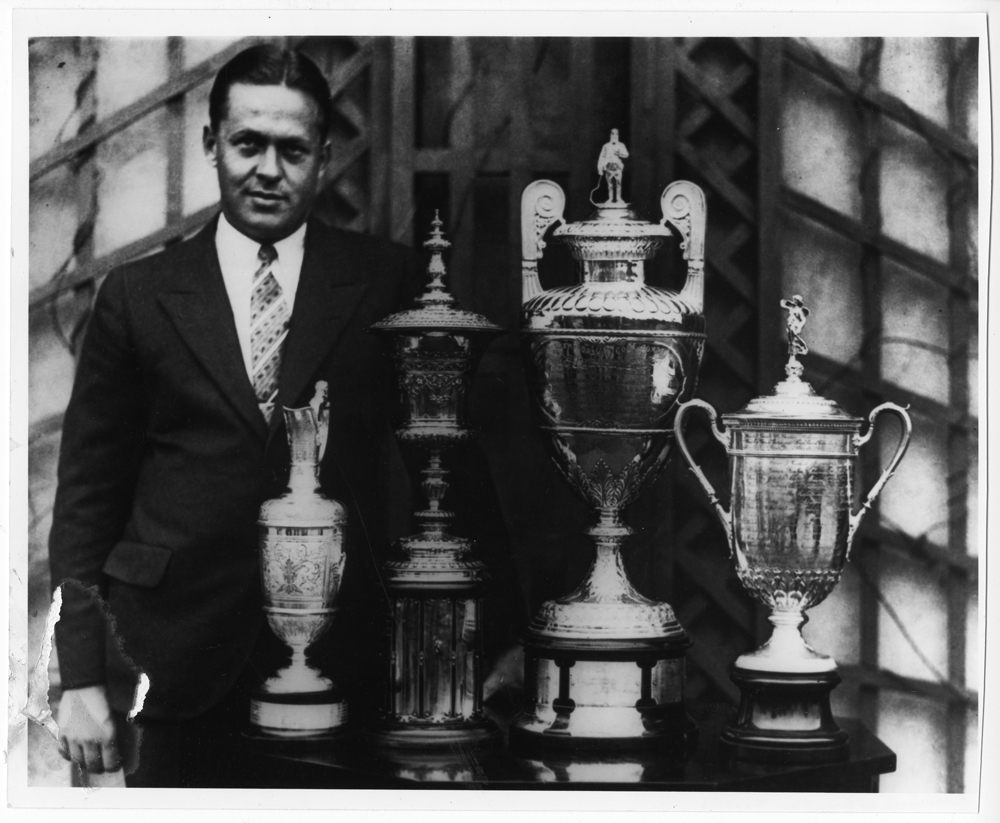
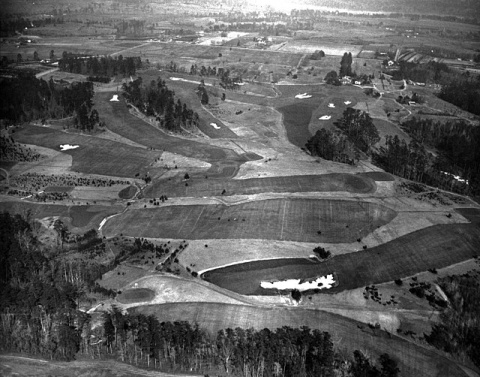
Before co-founding Augusta National Golf Club and helping to design the course that the now-famous tournament would be played on, Atlanta native Bobby Jones was already one of the sport’s rising stars when he enrolled at Tech in 1918.
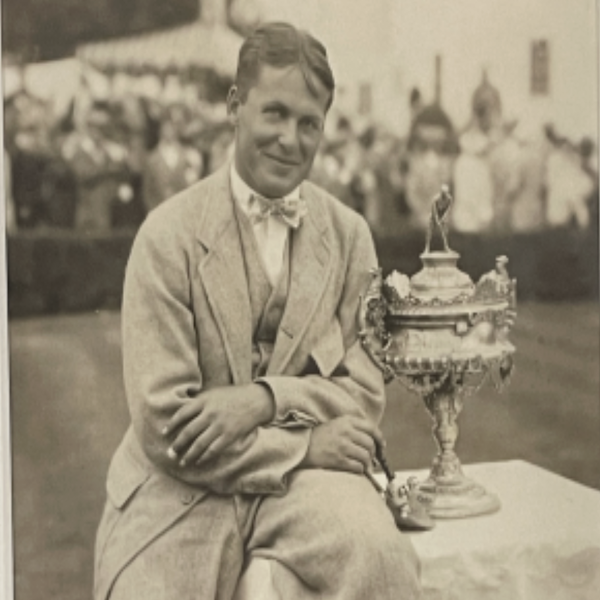
He won his first tournament at age 6 at Atlanta’s East Lake Golf Club and entered his first U.S. amateur event at 14. While collegiate golf was still in its infancy, Jones was the captain of the Tech golf team (then known as the Golden Tornadoes) as he earned his degree in mechanical engineering. As a student, he cemented his status among the top players in the nation, winning the Southern Amateur Championship in 1920 and 1922 before capturing his first major — the 1923 U.S. Open.
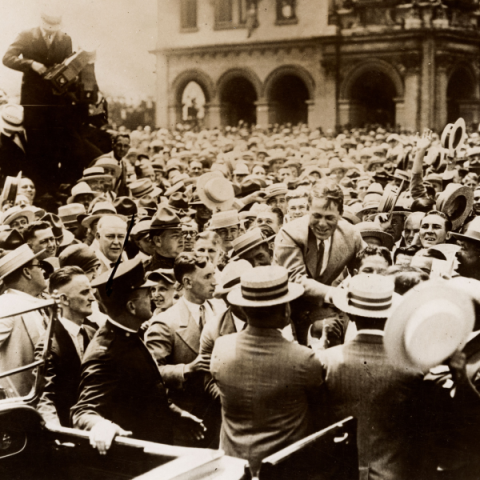
The win began a stretch of dominance from 1923 to 1930 that included 13 major titles in the U.S. and Great Britain. Jones became the first player to win golf’s four majors in the same year, dubbed the Grand Slam by his longtime friend and Atlanta Journal columnist O.B. Keeler.
Setting Golf’s Biggest Stage
Jones retained his amateur status throughout his career and stepped away from the game after the Grand Slam, but he wasn’t done adding to his legacy. Inspired by the Old Course at St. Andrews, he and Alister MacKenzie designed Augusta National Golf Club, which opened in 1933. The inaugural tournament took place a year later.
The scenic views and memorable moments that have occurred there can be traced back to MacKenzie and Jones’ philosophy that the course should be approachable for all players, yet provide the best golfers with room to be creative. When construction began in 1932, MacKenzie told the American Golfer that if the course were to become “the world’s wonder inland course,” it would be due to Jones’ contributions.
Also a practicing lawyer, Jones expanded access to the game of golf through the release of instructional videos for Warner Bros. in the early 1930s, and, putting his Tech degree to work, he collaborated with Spalding to design the first set of matched golf clubs. With Jones’ accomplishments as an elite golfer, U.S. veteran, lawyer, and businessman, he was perceived as a symbol of the New South, according to Eric Steagall, a doctoral student in Georgia Tech’s School of History and Sociology.
To this day, the United States Golf Association’s Bob Jones Award — the organization’s highest honor — is given annually to an individual who demonstrates the spirit, personal character, and respect for the game exhibited by Jones.
Tech Legends
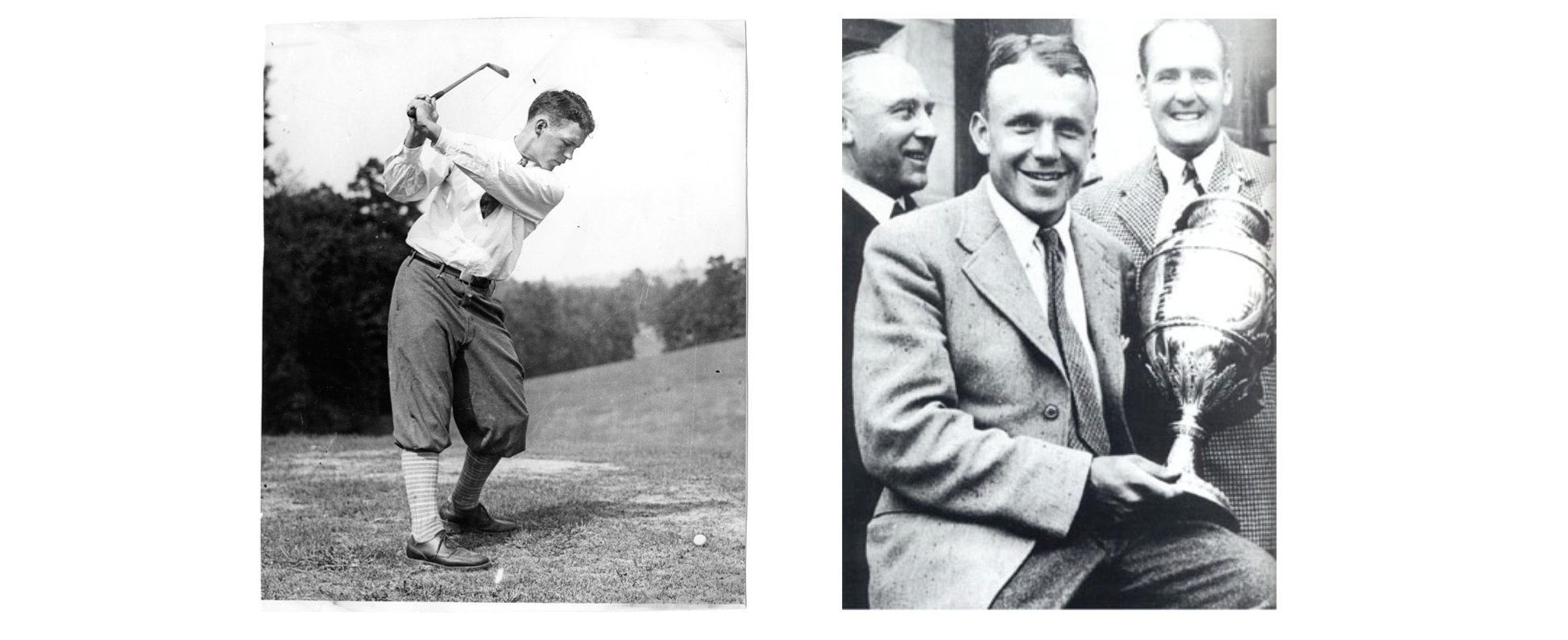
Watts Gunn — Jones wasn’t the only legend to tee it up at Tech in the 1920s. Watts Gunn played alongside Jones on the 1926 and 1928 Walker Cup teams that defeated the British Team, and in 1927, he became the first Georgia Tech golfer to win the National Collegiate Championship.
Charlie Yates — Mentored by Jones, Charlie Yates won the 1934 National Collegiate Championship before becoming one of the most popular American golfers abroad following his victory in the 1938 British Amateur at Royal Troon.
“There has been no invading Champion more popular than Charlie Yates, whose cheerfulness and humor, of his own particular brand, made everybody like him,” British golf writer Bernard Darwin said after the win.
Yates finished as the low amateur at the Masters five times in his career. When his playing days were over, he served as the longtime secretary of Augusta National Golf Club and was on the Masters' Press Committee for nearly 50 years. In 1998, the course formerly known as East Lake Golf Club’s No. 2 Course was renamed in Yates’ honor. Tiger Woods hit the ceremonial first tee shot at the dedication ceremony.
Modern Champions
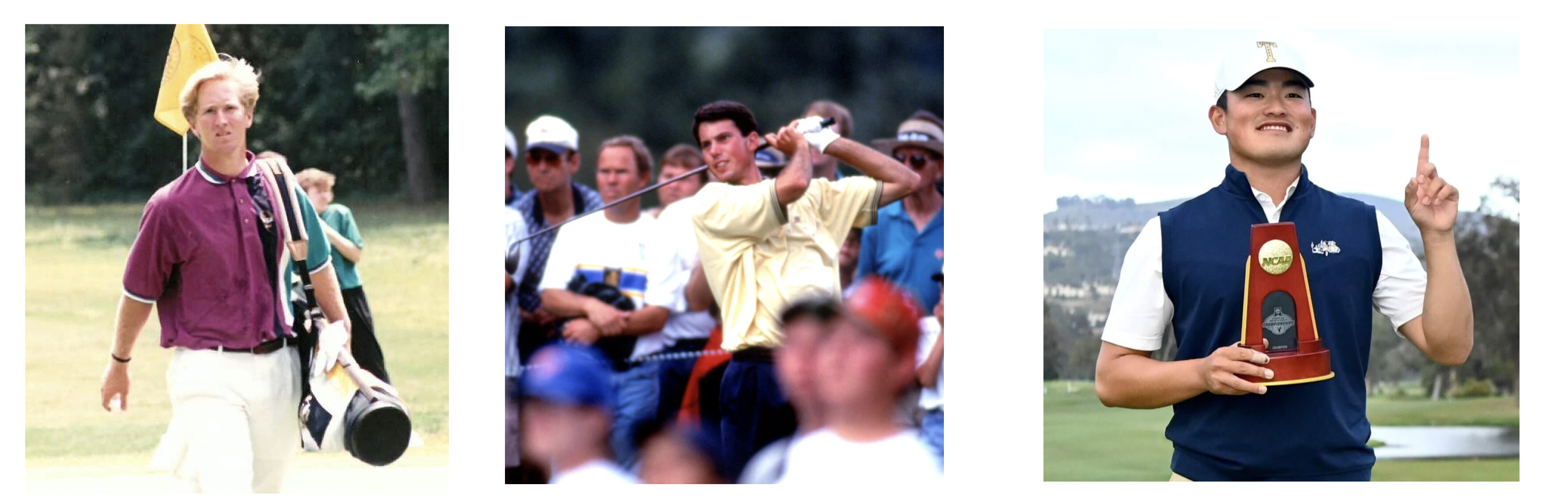
The influence of Jones, Watts, and Yates laid the foundation for Yellow Jacket excellence in golf, and their legacy at Tech continues.
Larry Mize — 1987 Masters winner
David Duval — Former World No. 1, The Open Championship 2001 winner
Matt Kuchar — Nine-time PGA Tour winner, 1998 Master’s Low Amateur
Stewart Cink — 2009 U.S. Open Champion, 8 PGA Tour Victories, recipient of the 2017 Payne Stewart Award
Andy Ogletree and Tyler Strafaci — Back‑to‑back (2019, 2020) U.S. Amateur champions
Troy Matteson — 2002 NCAA national champion
Hiroshi Tai — 2024 NCAA national champion
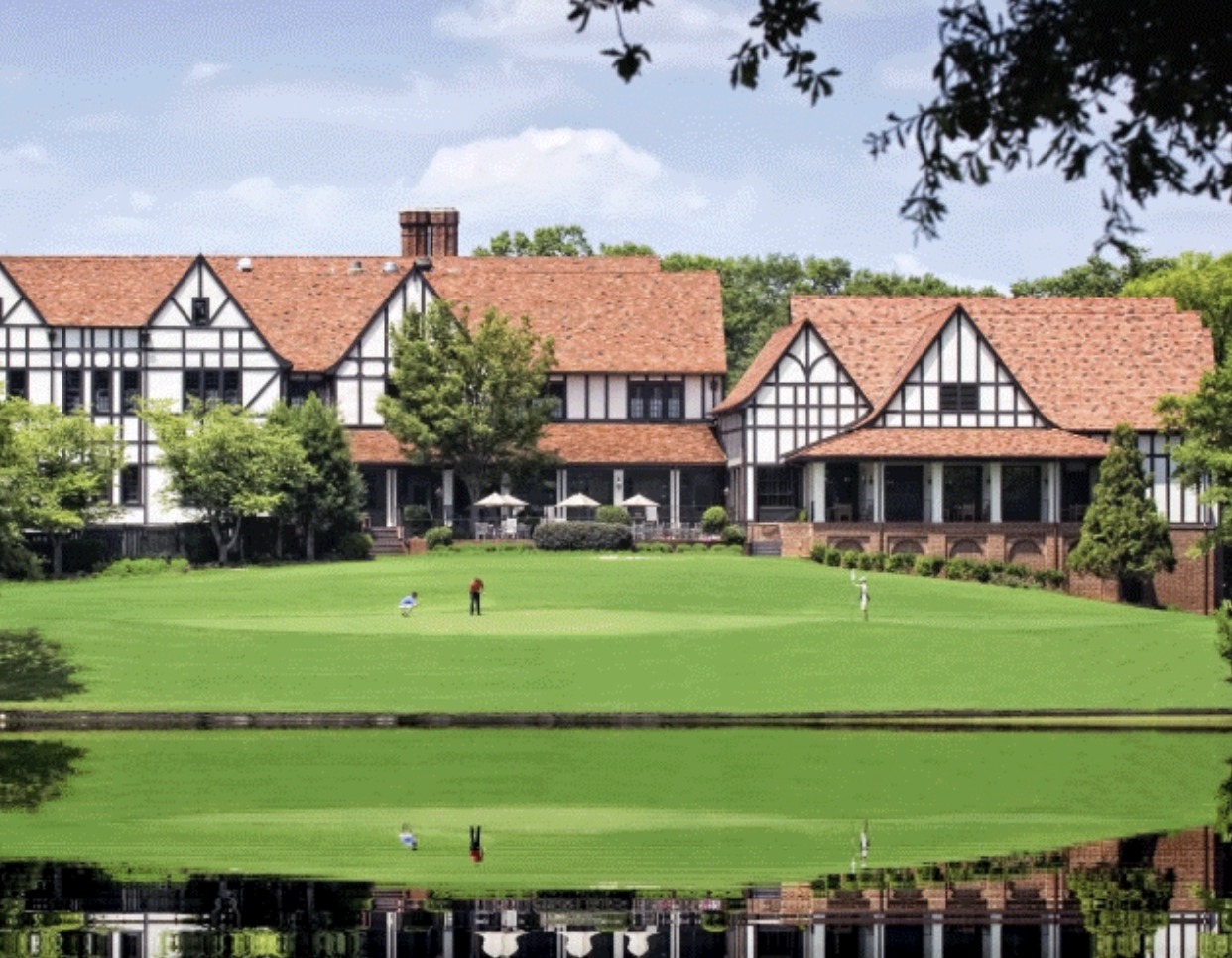
Tee it up at East Lake Golf Club and connect with fellow Yellow Jackets on May 18 for the annual Georgia Tech Alumni Association Golf Tournament. Only 100 spots available—don't miss your chance to join the .04% of alumni who experienced this tradition last year. Secure your spot today and make history of your own.
Credits
Written by Steven Gagliano
Edited by Stacy Braukman