
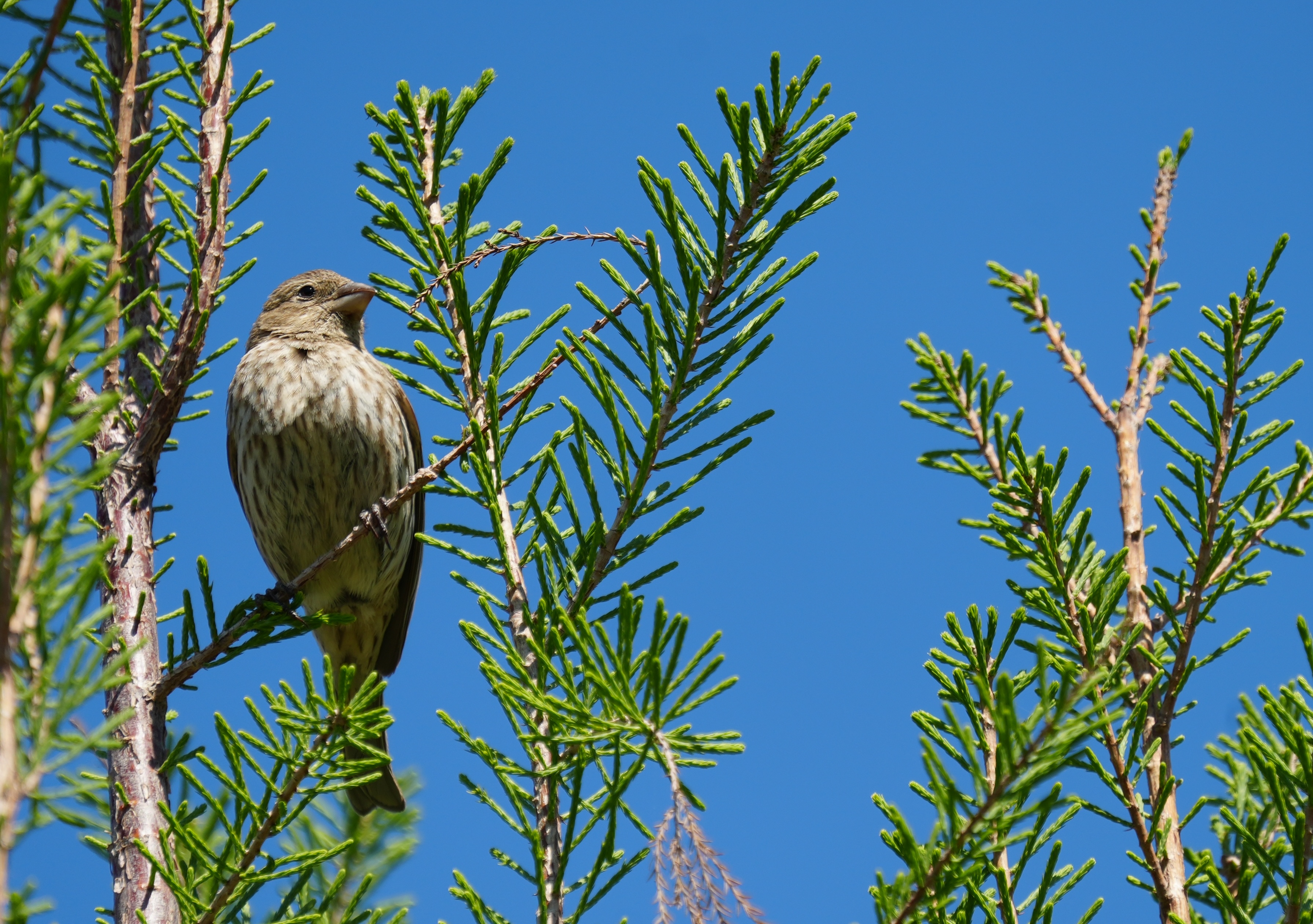
A Guide to Birdwatching at Georgia Tech
More than 11 million people live in Georgia, but on April nights, the state’s residents on the ground are outnumbered by tens of millions of small songbirds flying overhead.
Spring migration season typically runs from March through May, peaking in April, according to Ben Freeman, an ecologist and assistant professor in the School of Biological Sciences at Georgia Tech. Georgia lies along the Atlantic Flyway, aiding migratory birds — such as warblers, sparrows, and flycatchers — with a path to the Appalachians, the Great Lakes, and their home territories, where they will breed in the spring.
Atlanta is often called a city in a forest, but the Tech campus offers additional green space, food, and shelter for many of the area’s native species. From above, it attracts migrating birds in search of a rest stop along their route.
For birds native to the Atlanta metro area, like the Brown-headed Nuthatch and Northern Parula, Freeman says April is also the best time to see and hear them.
“April is the prime bird month in Georgia,” he said. “That’s because, in addition to the migrating species passing through, our birds are breeding, they’re out looking for food, and singing to defend their territory and impress a mate. This is also the time of year when they have their fanciest feathers, making it a beautiful time to observe them in nature.”
This period of global movement can also lead to rare birds being seen in new places. In 2025, a Bell’s Vireo — a songbird native to the Southwest and the Mississippi River valley — was spotted by a Tech graduate student, attracting the attention of the birdwatching community. Freeman explains that storms, magnetic anomalies, and the occasional wrong turn can result in such sightings, including the March sighting of a Red-flanked Bluetail in Virginia, despite the species being native to East Asia.
On Campus
More than 150 species of birds have been spotted on the Tech campus and logged on eBird.org, an online birdwatching community. Campus has become a hotspot on the site with the largest number of checklists in the state of Georgia.
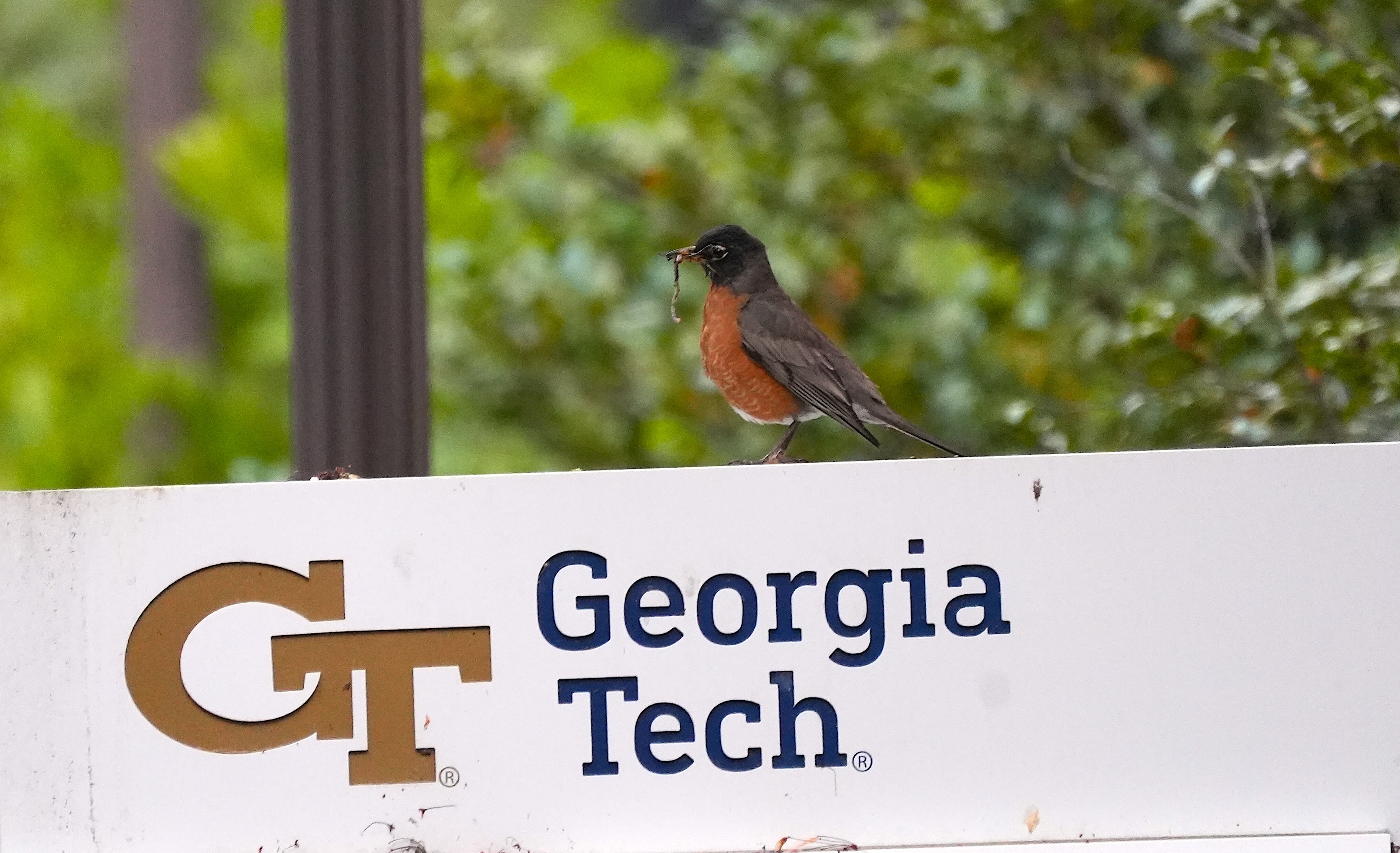
Among the more common songbirds seen on campus are the Northern Mockingbird, American Robin, Brown Thrasher, Cedar Waxwing, Northern Cardinal, Tufted Titmouse, and Eastern Bluebird. The campus is also home to several species of birds of prey, including Red-tailed Hawks, which are spotted frequently.
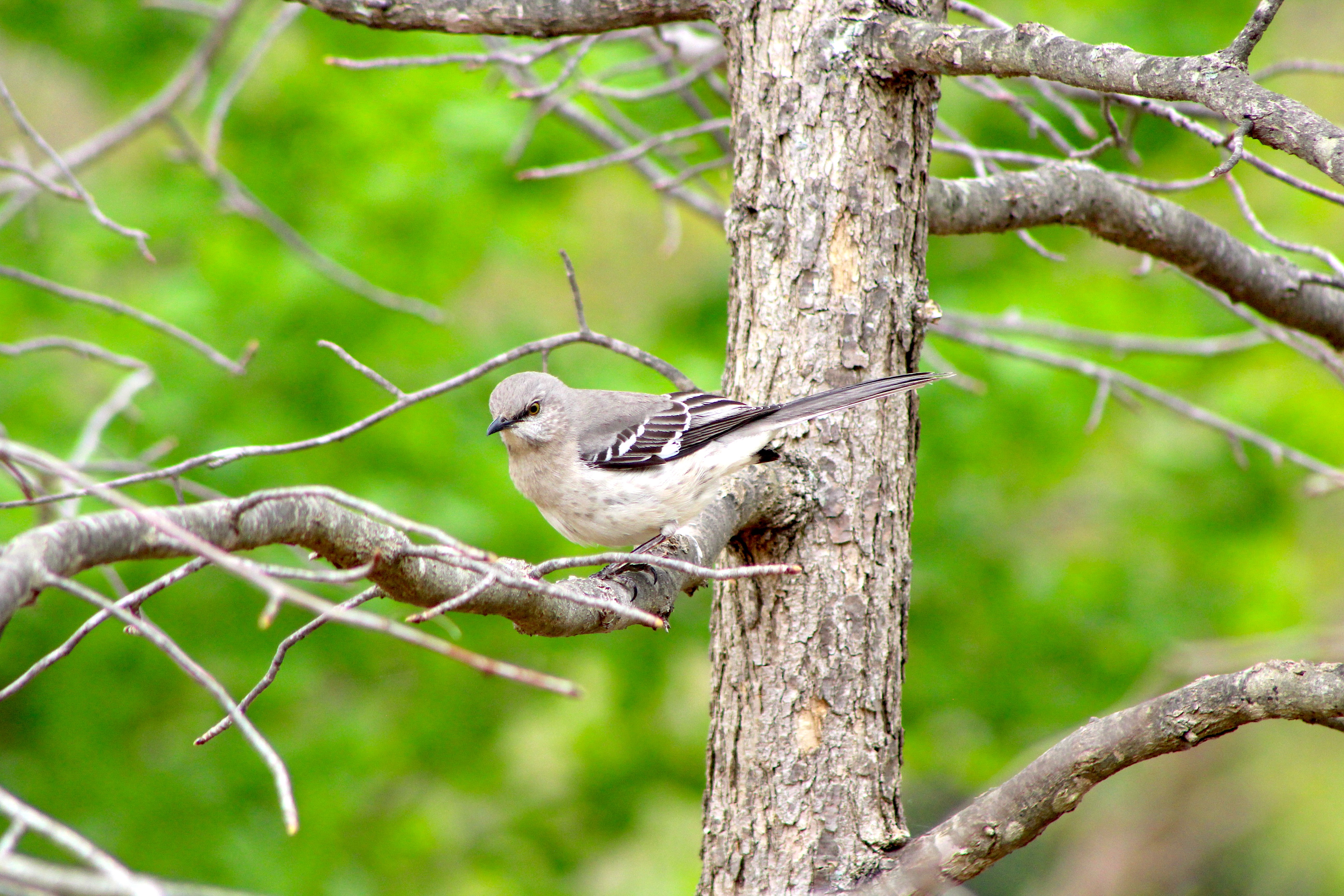
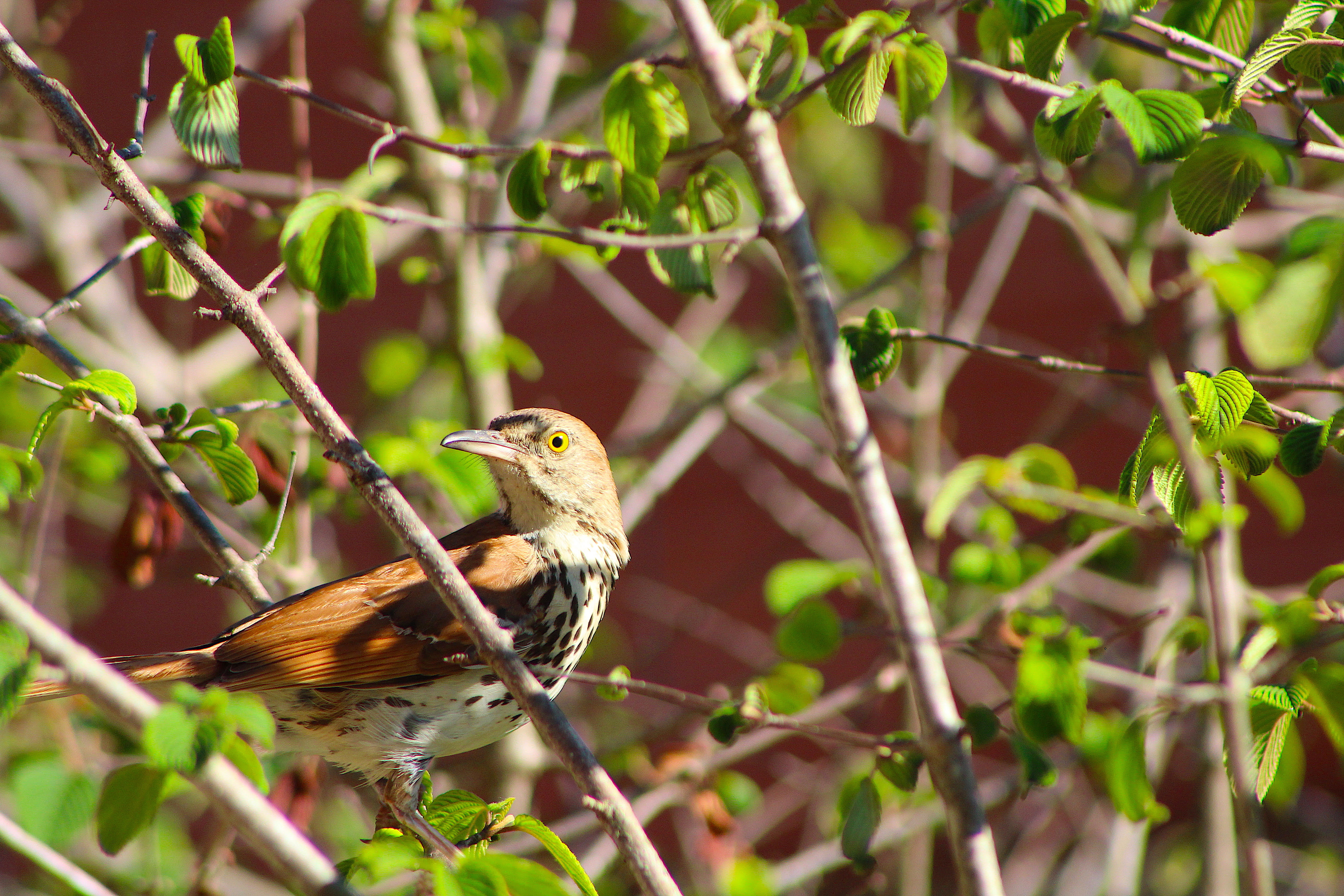
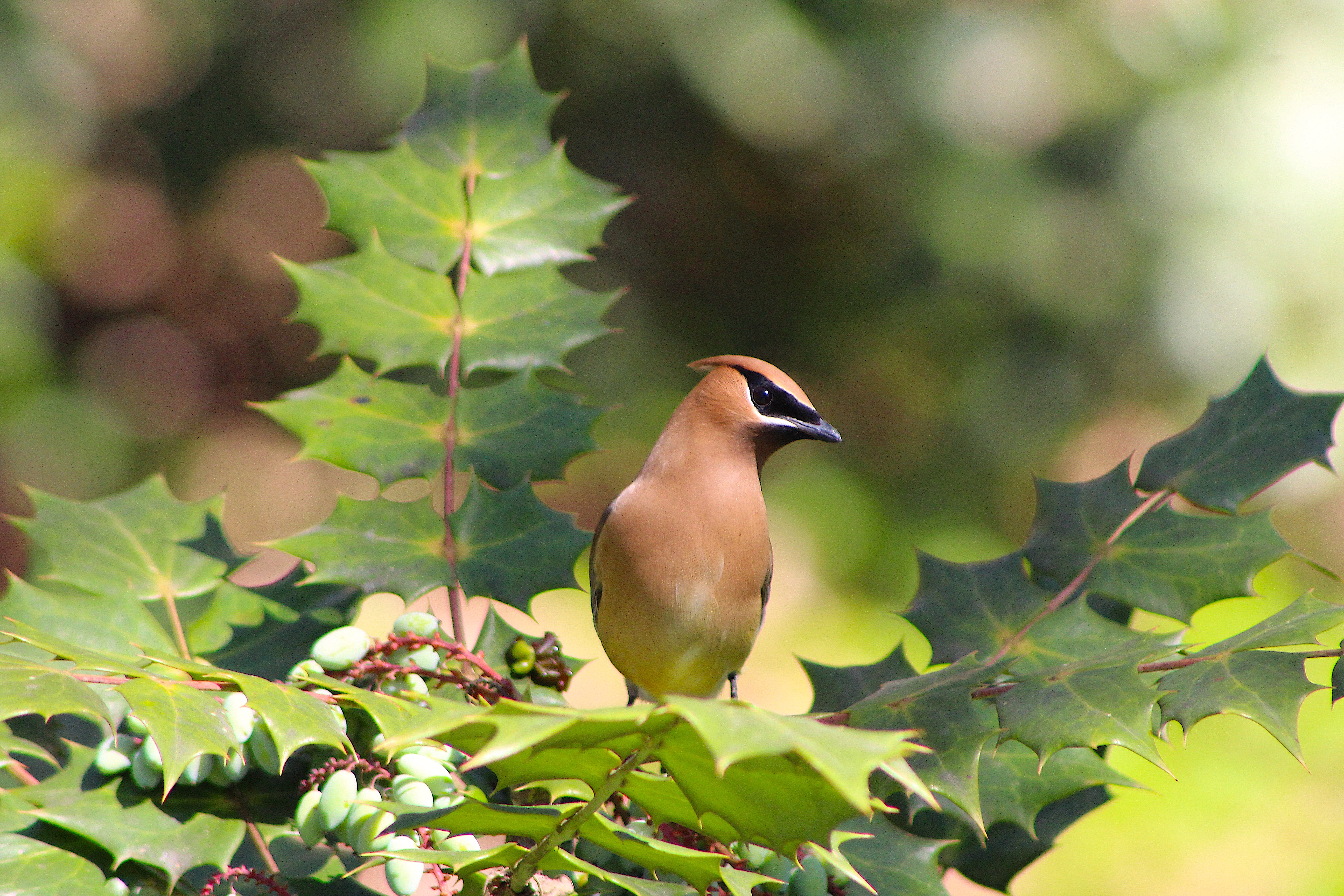
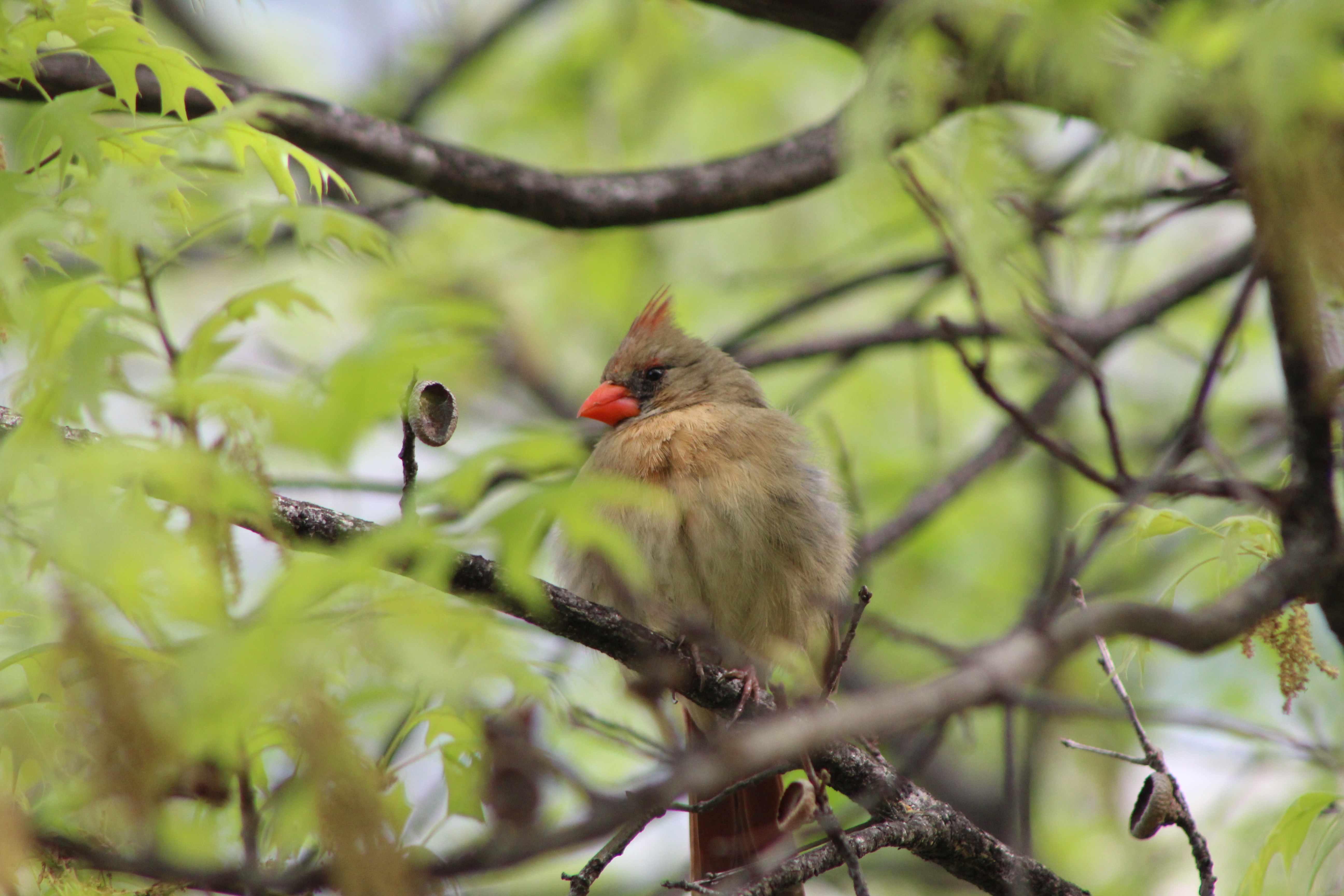
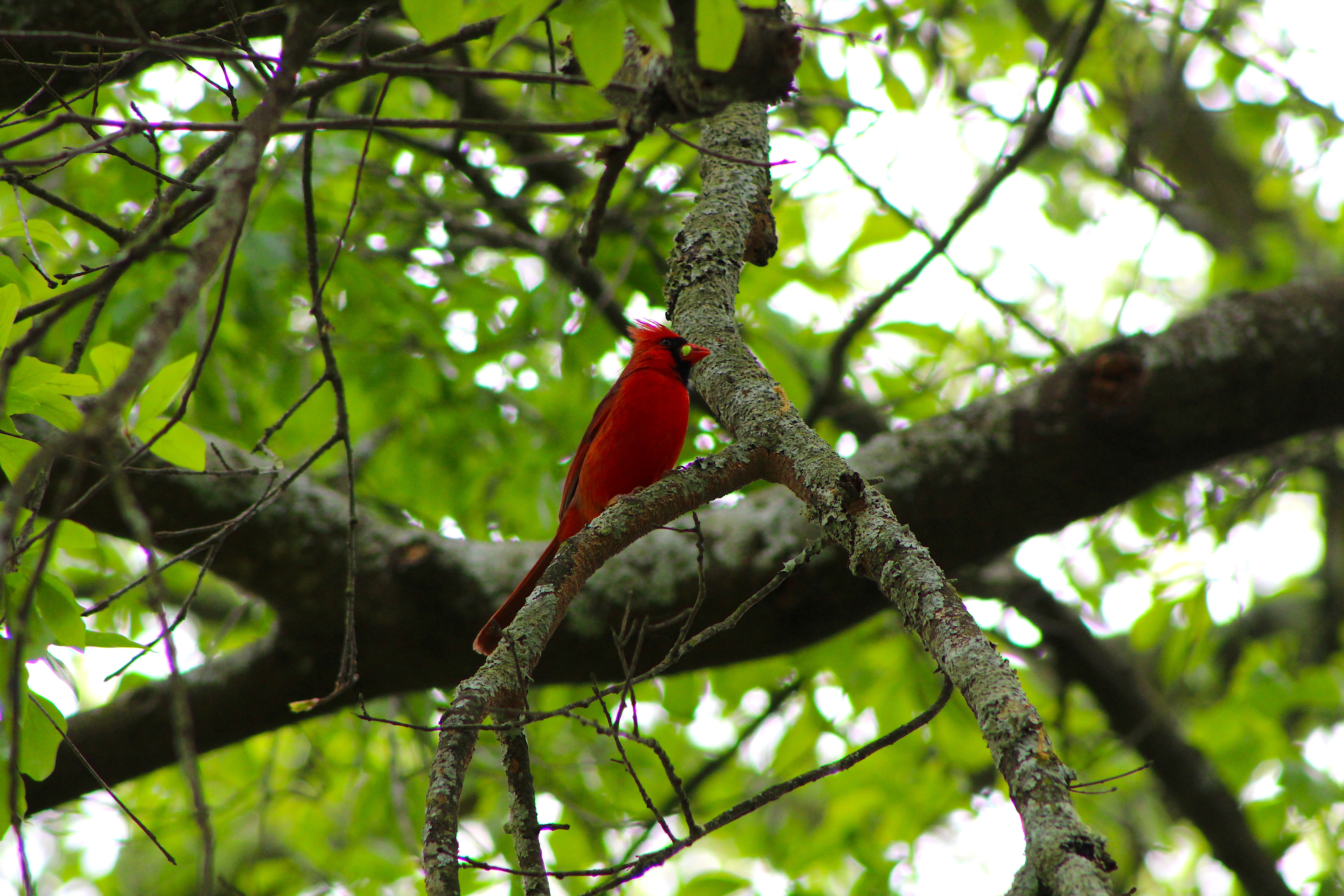
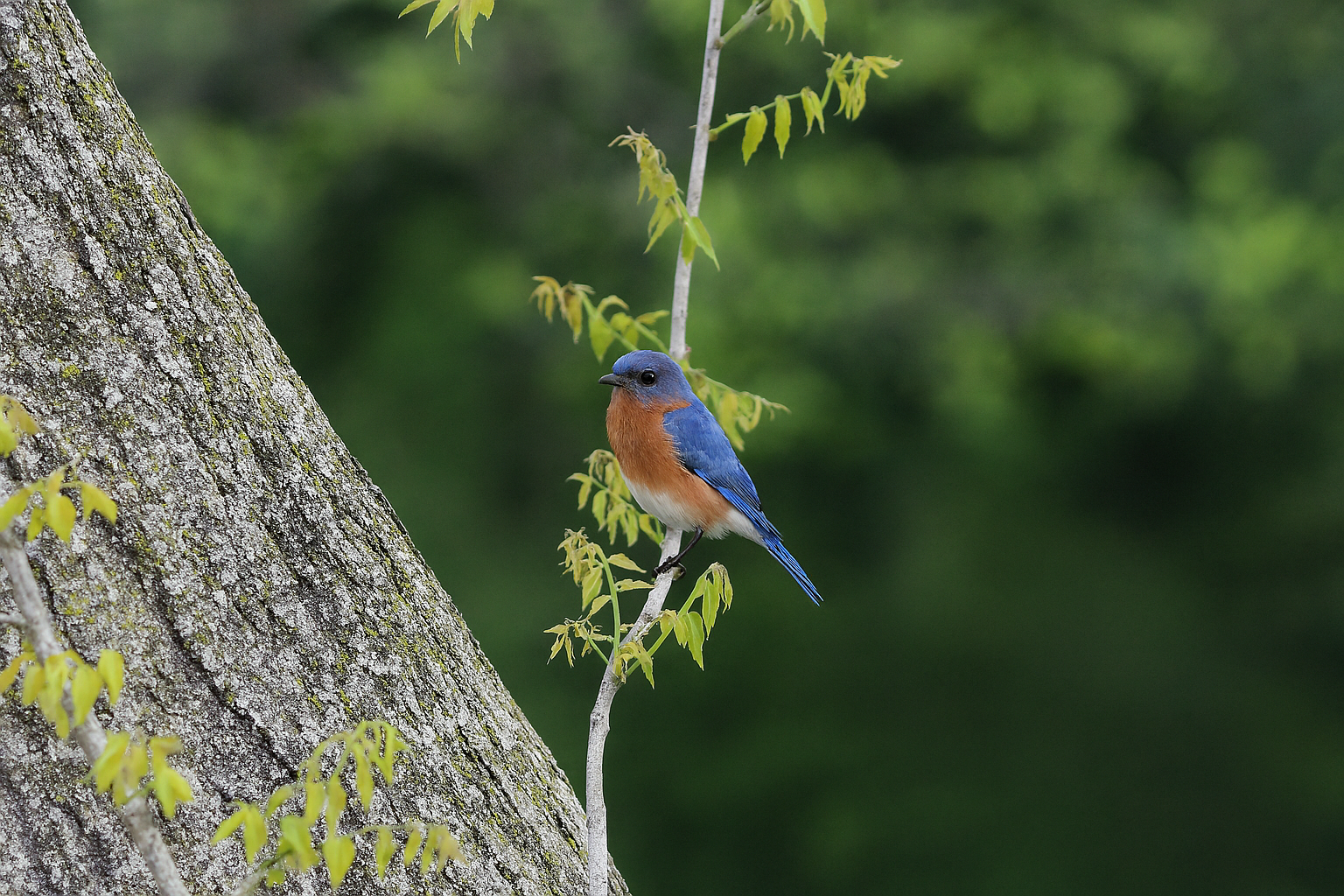
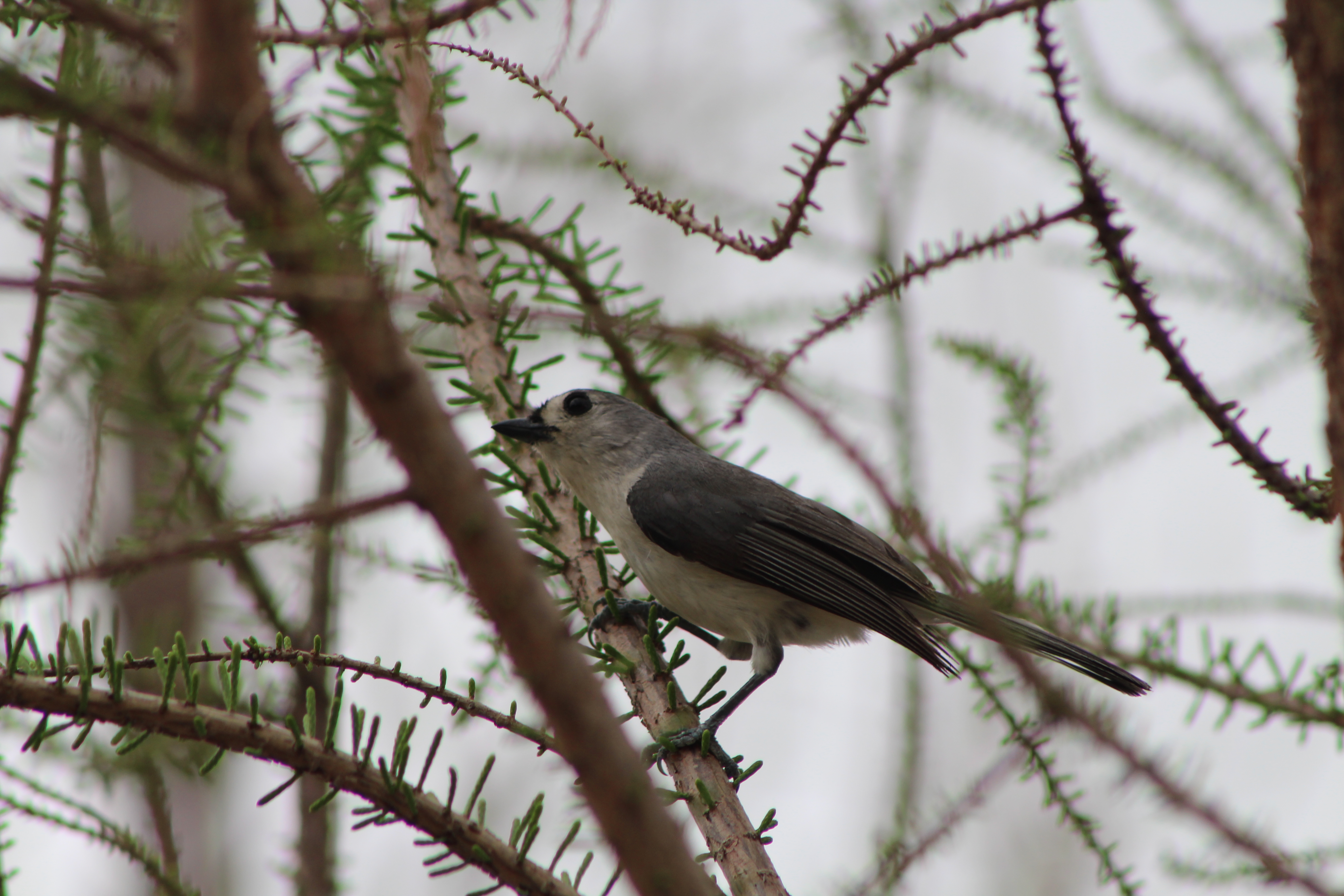
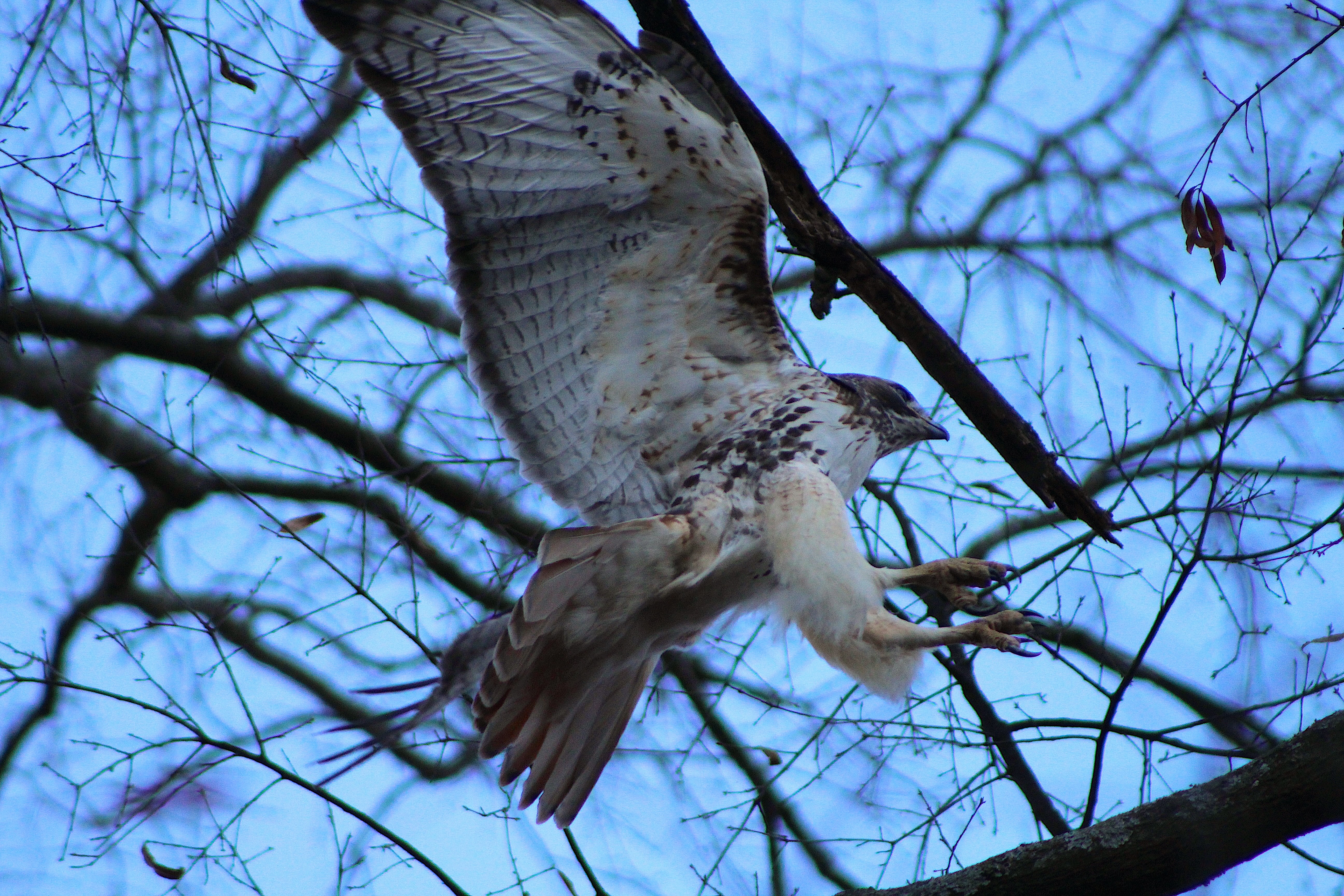
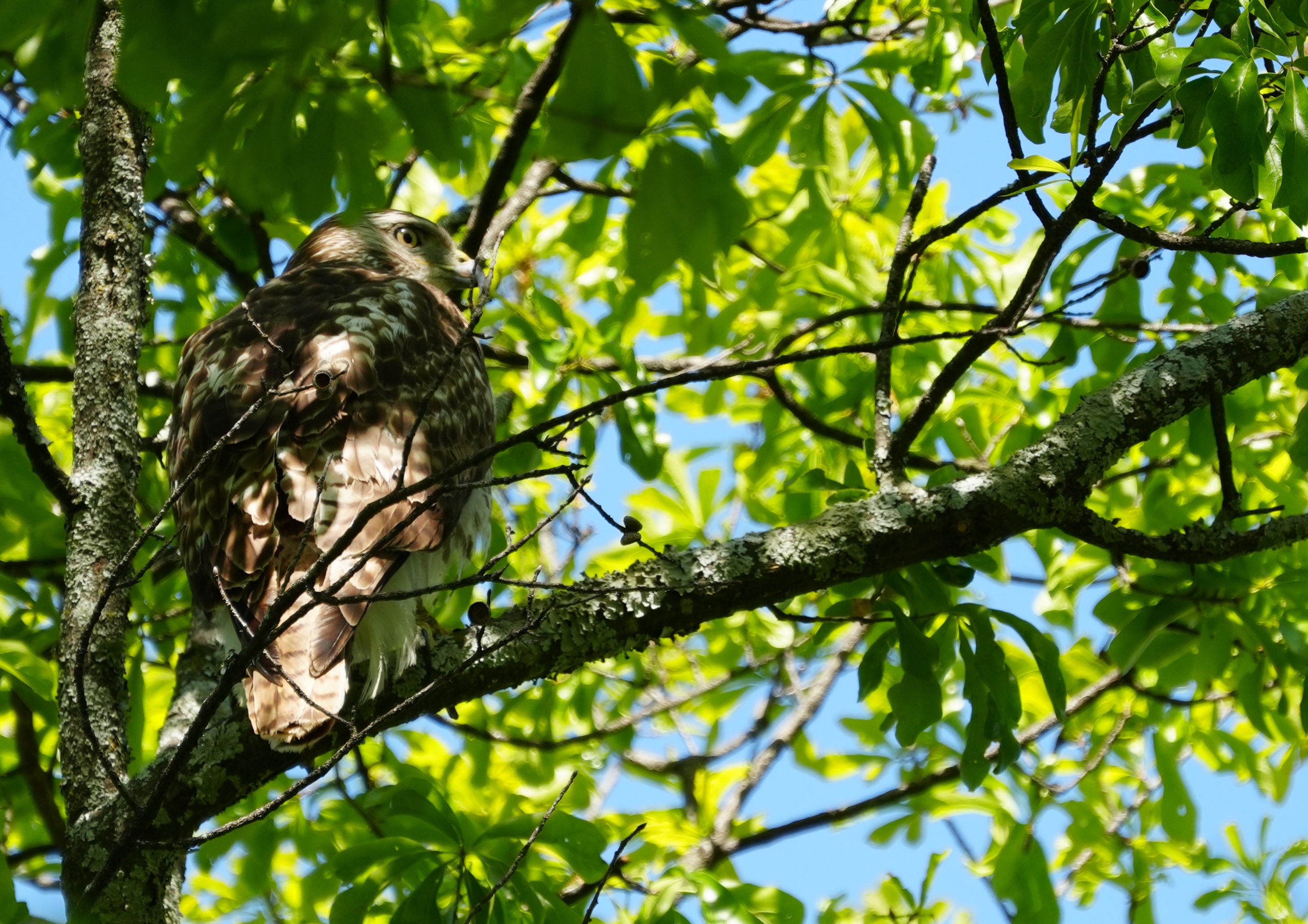
Because most areas of campus have tree cover, Freeman says you can watch for birds anywhere, but a few locations offer a chance to see more variety:
- EcoCommons.
- The woods behind the 10th Street Residence.
- Burger Bowl.
- The path between Boggs and the Callaway Manufacturing Research Center.
As for timing, Freeman noted that the “early bird gets the worm” saying is true: The best time to observe the most activity is early in the morning, before 9 a.m., when they are out searching for food.
Look Up
Every morning, Freeman takes a stroll through campus to log his sightings and encourages all members of the campus community to keep an eye out for the birds that call campus and the surrounding area home. For those interested in learning more about them, the Birdwatchers Club meets weekly at 8 a.m. in the EcoCommons for guided walks.
“Getting involved in the birdwatching community at Georgia Tech is one of the easiest things you can do. Come to one of our meetings, and we’ll get you started. Noticing the birds around you and learning more about them is a great way to become more present in your life and to learn more about the ecosystem we live in,” said Mina Nahri, incoming co-president of the Birdwatchers Club.
You can also track your sightings on eBird, and if you come across an unfamiliar bird, Freeman recommends using the Merlin app, which can identify it by its song. “I would recommend that everyone learn five species of birds on campus, because the more you learn about them and nature, the more you think about your role in protecting it,” Freeman said.
Credits
Story and Photography by Steven Gagliano