
Mark Prausnitz Receives Class of 1934 Distinguished Professor Award
Prausnitz is awarded the highest honor given to a Georgia Tech professor.
When Mark Prausnitz talks about his work as a professor, researcher, and entrepreneur, one theme comes through clearly: collaboration.
Prausnitz, a Regents’ Professor, Regents’ Entrepreneur, and J. Erskine Love Jr. Chair in the School of Chemical and Biomolecular Engineering, is this year’s recipient of the Class of 1934 Distinguished Professor Award.
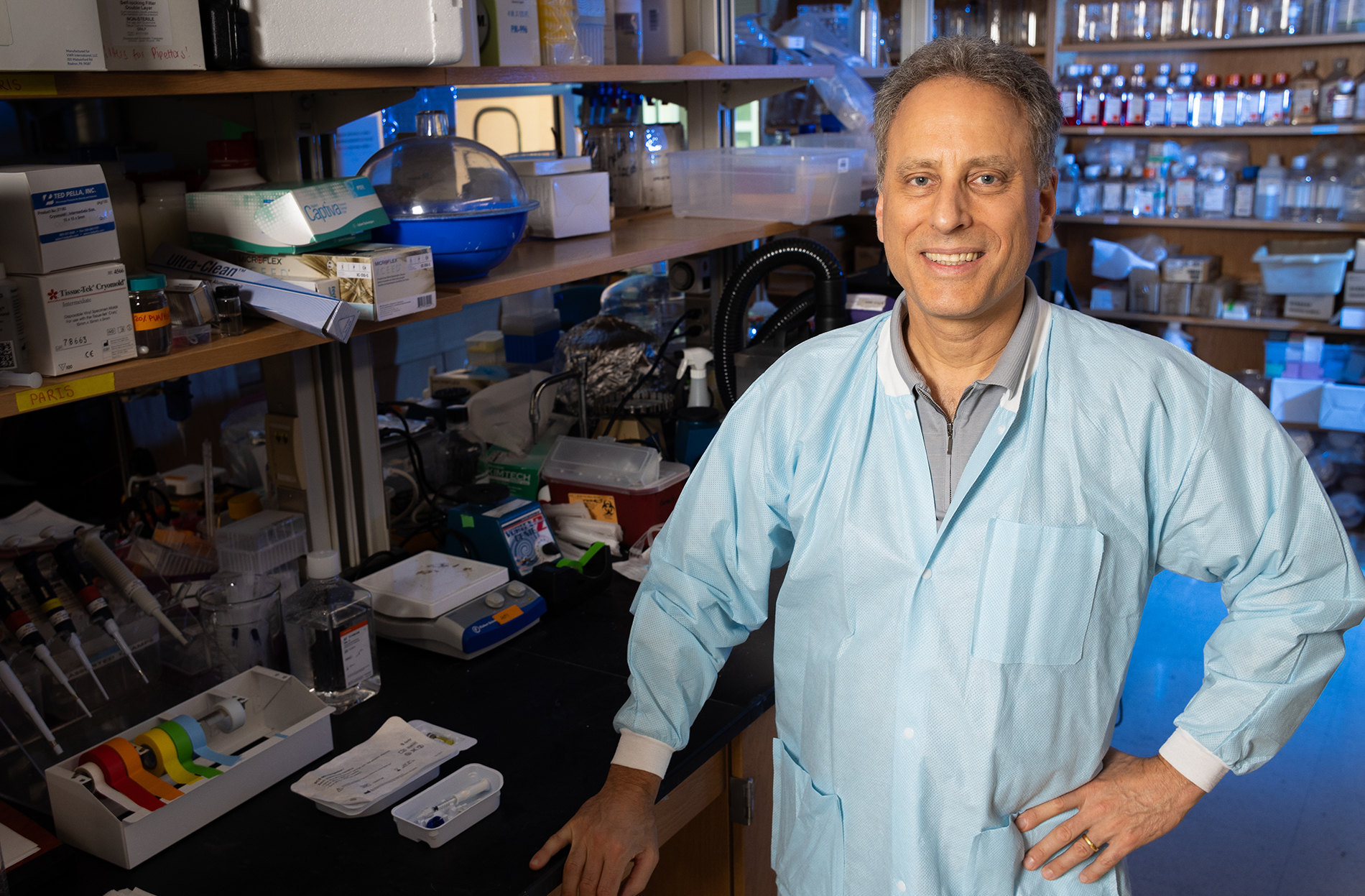
“While I may be the focal point, it’s not a recognition of me as an individual. It’s a recognition of everything the team has done,” Prausnitz said. “I know how to do some things, but there are many things I don’t know how to do. That’s why working with others matters. You bring people together, fill in the gaps, and solve the whole problem.”
The “some things” Prausnitz knows how to do have led to revolutionary medical innovation over a 30-year career at Georgia Tech, where he has led transformative work in microneedle drug delivery, launching 10 companies in the process.
During that time, Prausnitz published hundreds of peer-reviewed papers, was granted dozens of patents, and advanced his work from early laboratory studies into more than 20 human clinical trials. His research has produced multiple FDA‑approved or clinically tested technologies.
Understanding Prausnitz’s success starts with his approach to engineering in practice. Science may begin with discovery, but engineering, as he describes it, focuses on taking something uncertain and making it work.
“One of the things that really distinguishes engineering from science is the work of problem-solving to reach an answer,” he said. “You start with something diffuse and figure out how to put all the pieces together. That to me is a hallmark of engineering.”
That way of thinking took shape early in his life.
An Engineer’s Upbringing
Born and raised in Berkeley, California, Prausnitz encountered academic science early. His father worked as a professor of chemical engineering at the University of California, Berkeley.
In high school, he gravitated toward science, especially chemistry. Outside the classroom, he played the clarinet and participated in a debate‑focused student organization, experiences that sparked an early interest in public speaking and communication. Those interests followed him to Stanford University, where he studied chemical engineering and helped implement and teach technical communication courses for engineers with a focus on public speaking.
After earning his bachelor’s from Stanford, Prausnitz took a gap year before beginning graduate school, during which he joined Alza Corporation in Palo Alto. Alza was a pioneering drug delivery company responsible for several first‑of‑their‑kind technologies, including the original transdermal patch, long‑acting oral medications, and early liposome formulations. The experience proved influential.
“I ended up at a drug delivery company not really knowing anything about it,” Prausnitz said. “But I worked in their transdermal drug delivery group, so obviously that made an impact on me.”
He carried that interest with him to the Massachusetts Institute of Technology (MIT), where he focused his doctoral research on drug delivery.
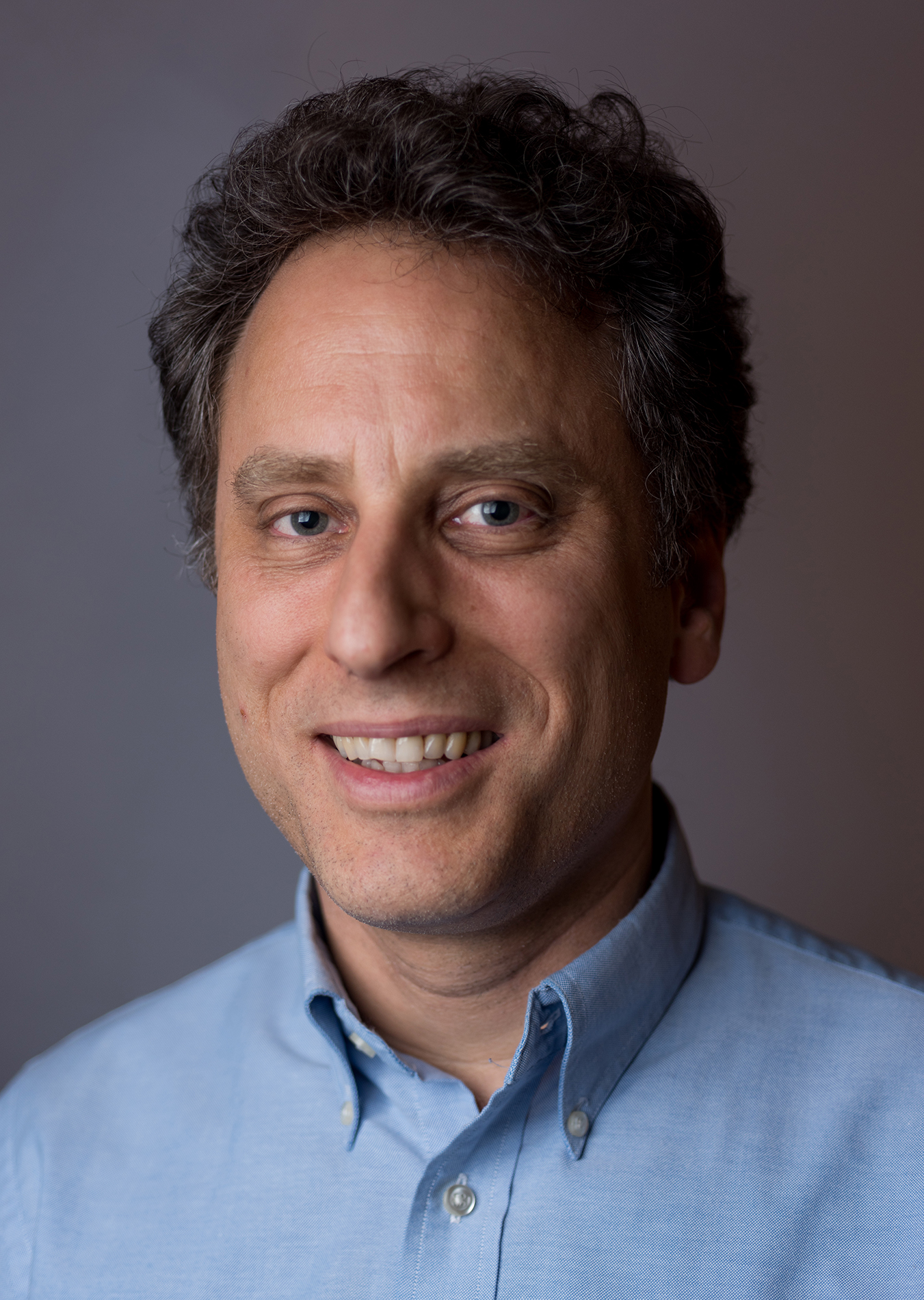
“My two strongest professional mentors would be my father, who played both professional and non‑professional roles,” Prausnitz said. “And then my Ph.D. advisor, Bob Langer, at MIT. He is one of the most prolific inventors ever. He has more patents than Thomas Edison. He is a broadly influential person and one of the big voices in pharma, biotech, and Boston innovation.”
From that foundation, Prausnitz would go on to advance biotechnology in his own right.
A Culture Built on Collaboration
Upon earning his doctorate, Prausnitz explored several institutions to continue his research and begin his academic career. He chose Georgia Tech based on the Institute’s emphasis on practical application and collaboration.
“One of the questions I asked was, ‘What do you think about collaboration?’” he said. “Georgia Tech’s response was, ‘We think collaboration is great. That’s one of our strengths, and we really encourage it.’ That message was the right one for me, and it’s been a critical component of almost everything we do.”
Georgia Tech has a long‑standing identity as an applied, problem‑solving institution. Founded after the Civil War to support industrial development in the South, the Institute has focused on practical education tied closely to engineering and industry. For Prausnitz, this culture shaped both his research and how he mentored students.
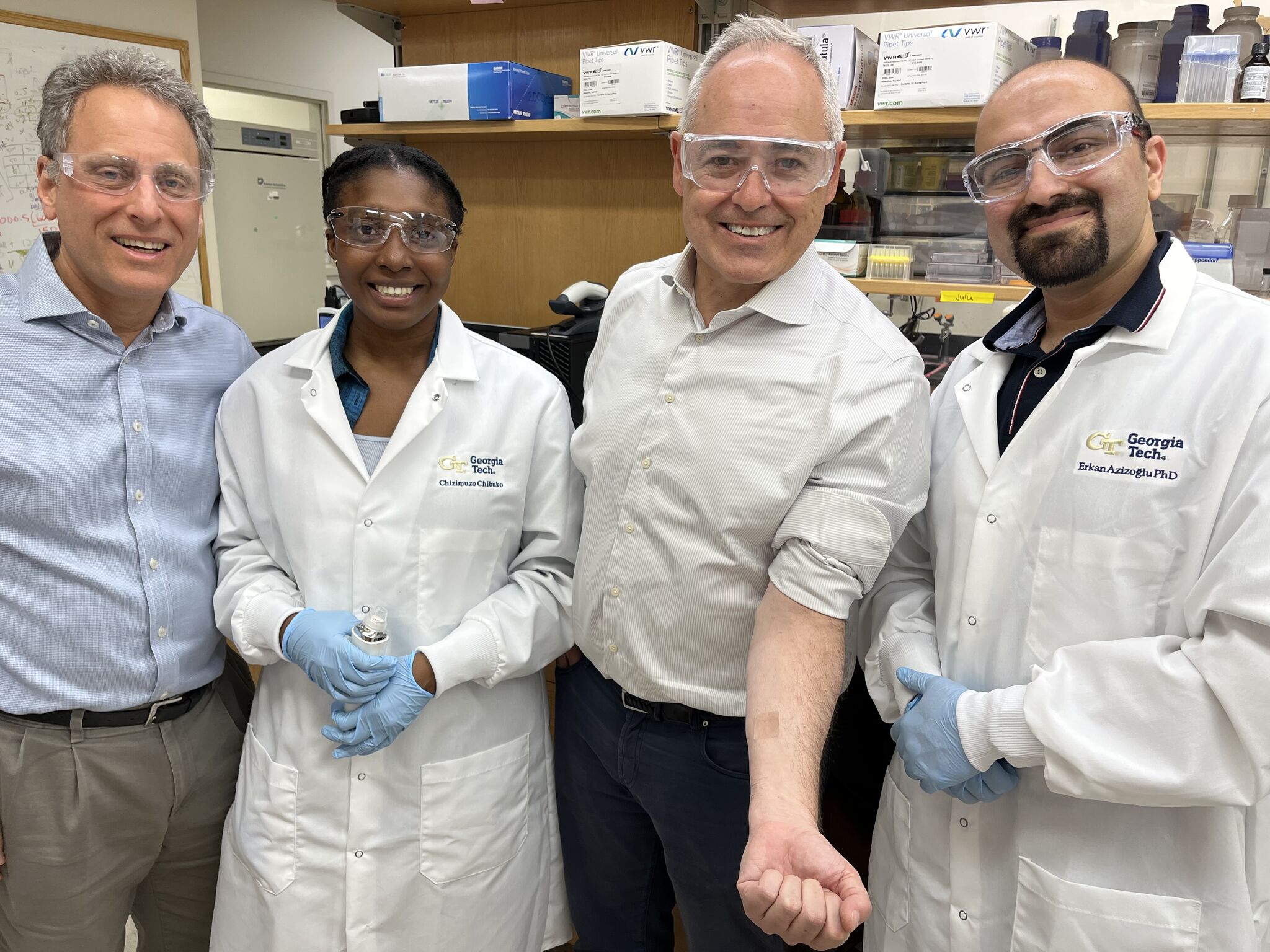
Rather than keeping his students solely within his lab, he invited them to work with researchers across campuses, especially when that meant learning techniques beyond his own expertise.
“I encouraged them to work in other people’s labs, and they learned things that I didn’t know how to do,” he said. “They came back to my lab with those skills, and that really helped us.”
That same mindset also shaped how Prausnitz worked beyond Georgia Tech as his research expanded across the region. He points to Atlanta’s collaborative research environment as a major draw.
“What attracted me to coming here was the enthusiasm, the science, and the collaboration and partnership that exists on this campus, particularly with Emory University,” he said.
Focused on the Problem
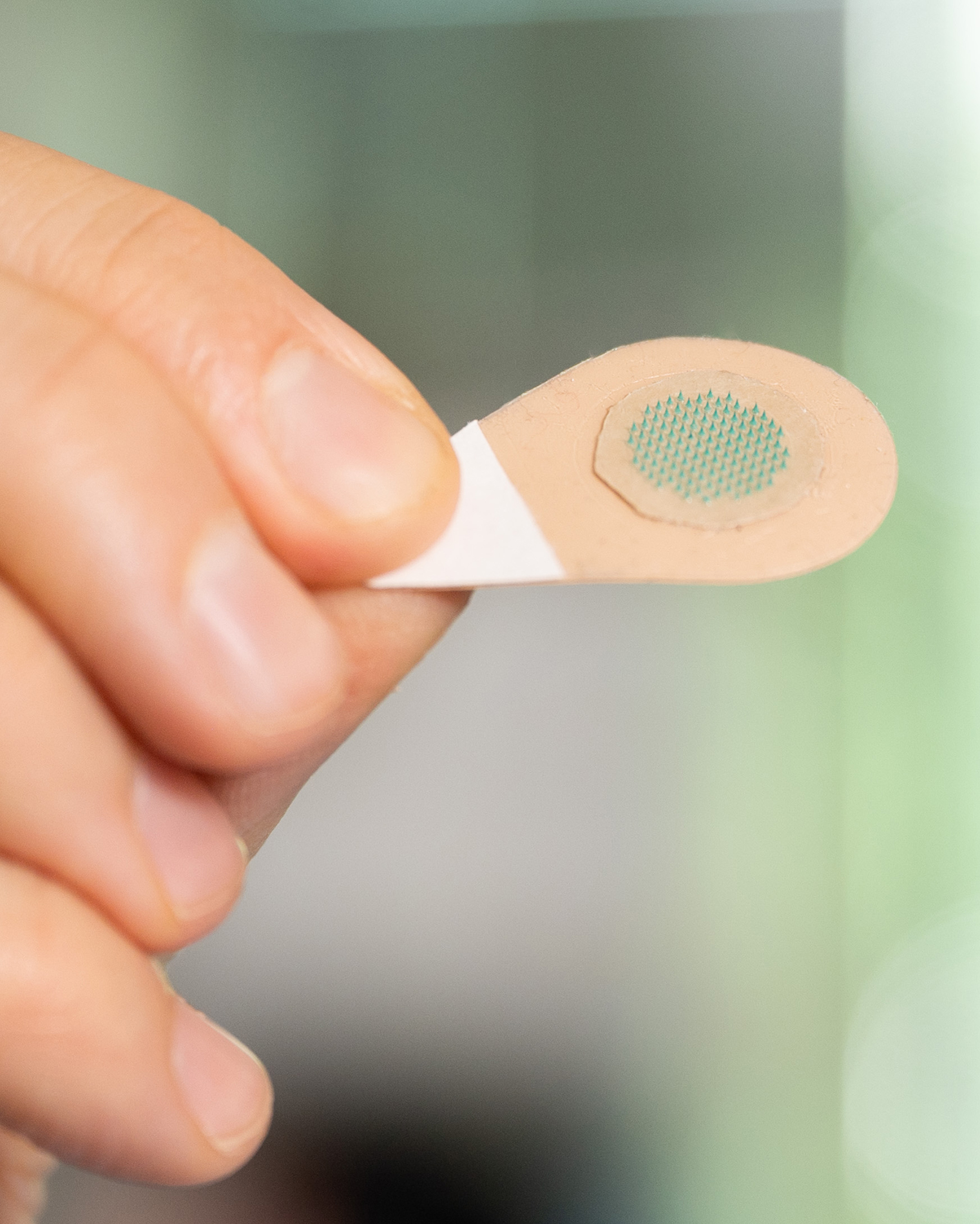
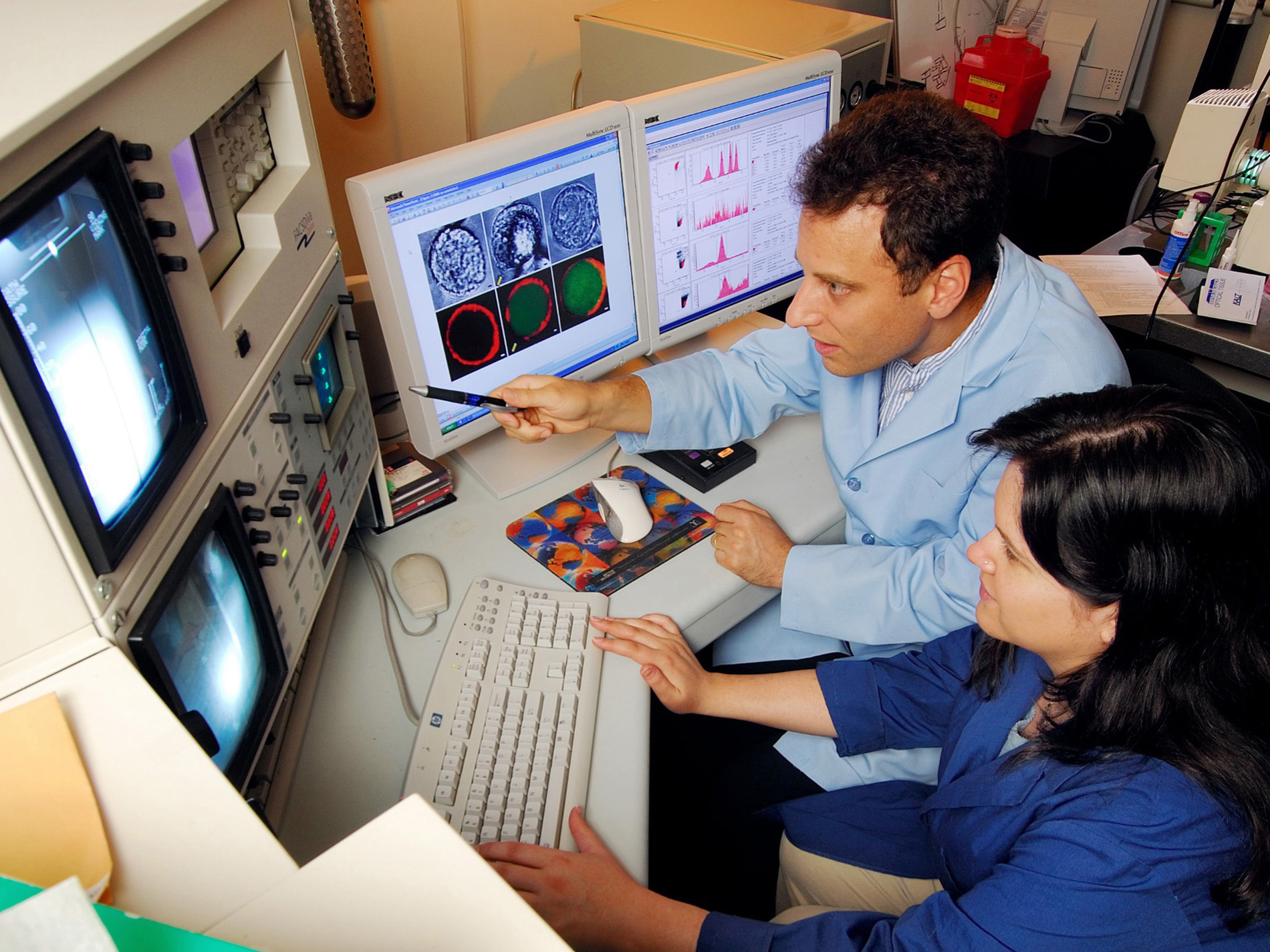
His research centers on a practical question: How can we more effectively get medicines to reach the people they are meant to help? Instead of focusing on developing new drugs, his research examines how existing medicines can be delivered more easily, more safely, and more reliably.
By rethinking how treatments move from the lab to patients, Prausnitz works on problems that often determine whether a medical breakthrough becomes usable. His research targets barriers to medication access, such as fear or pain, complex delivery methods, and remote locations with limited infrastructure.
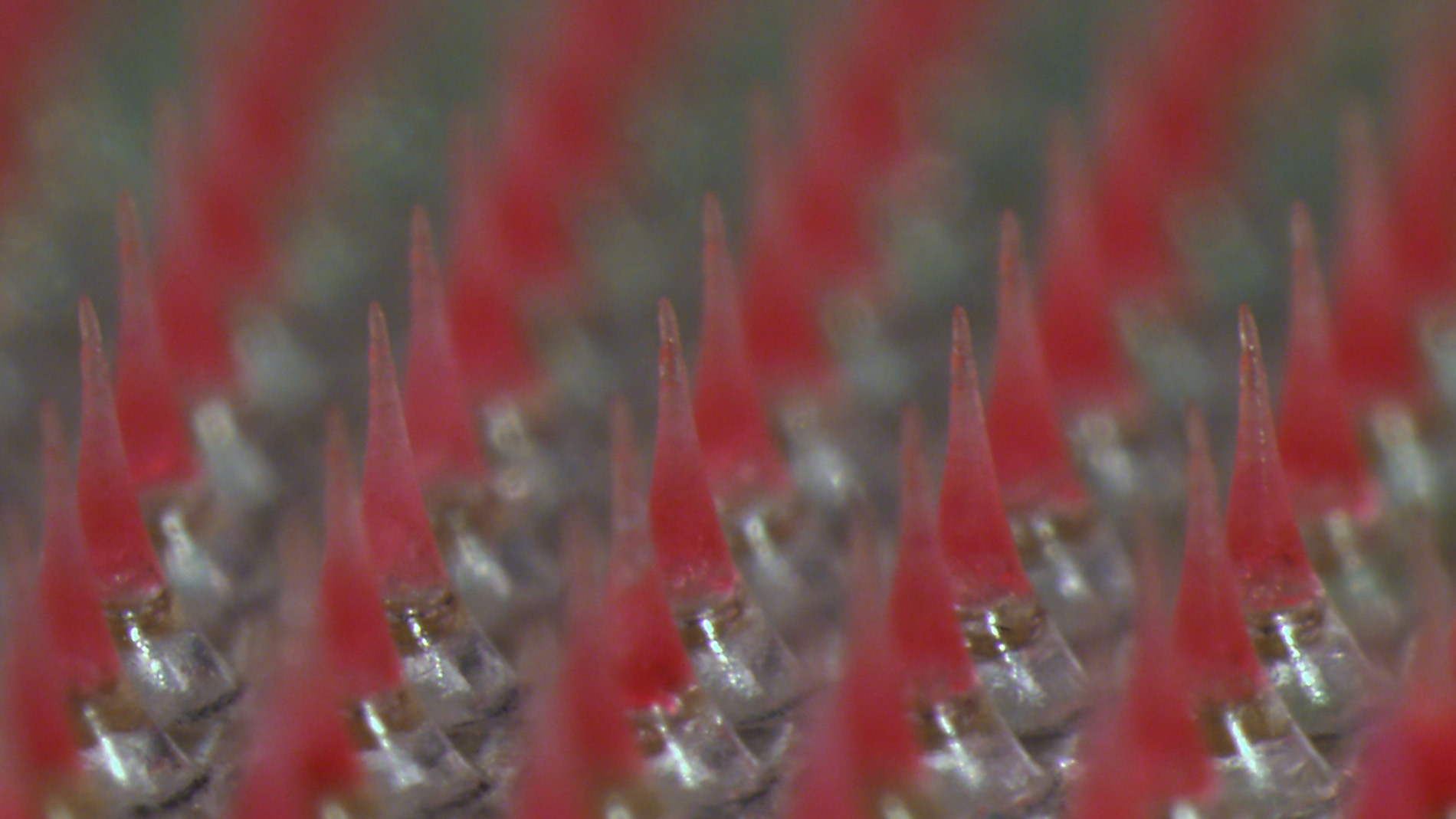
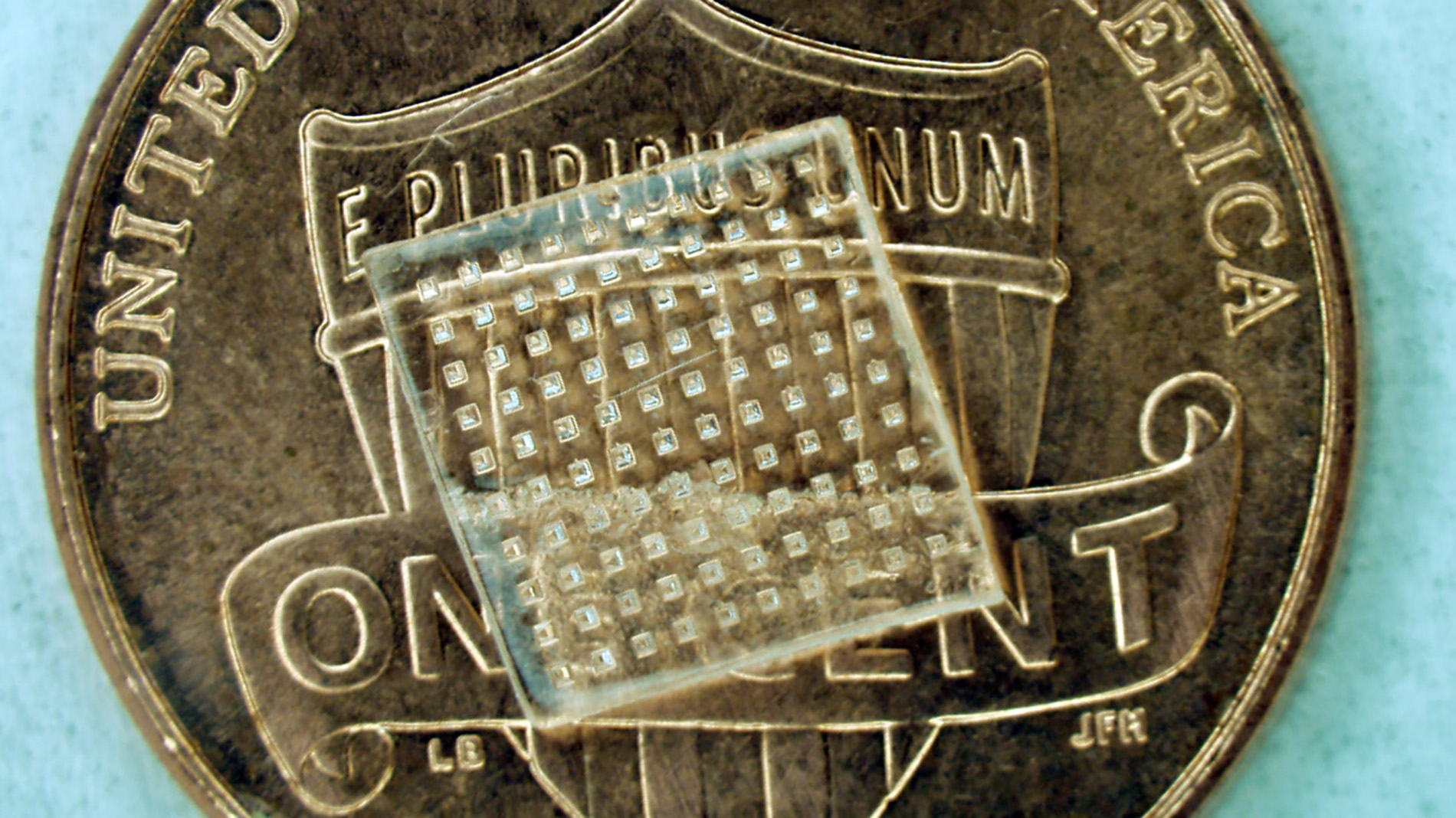
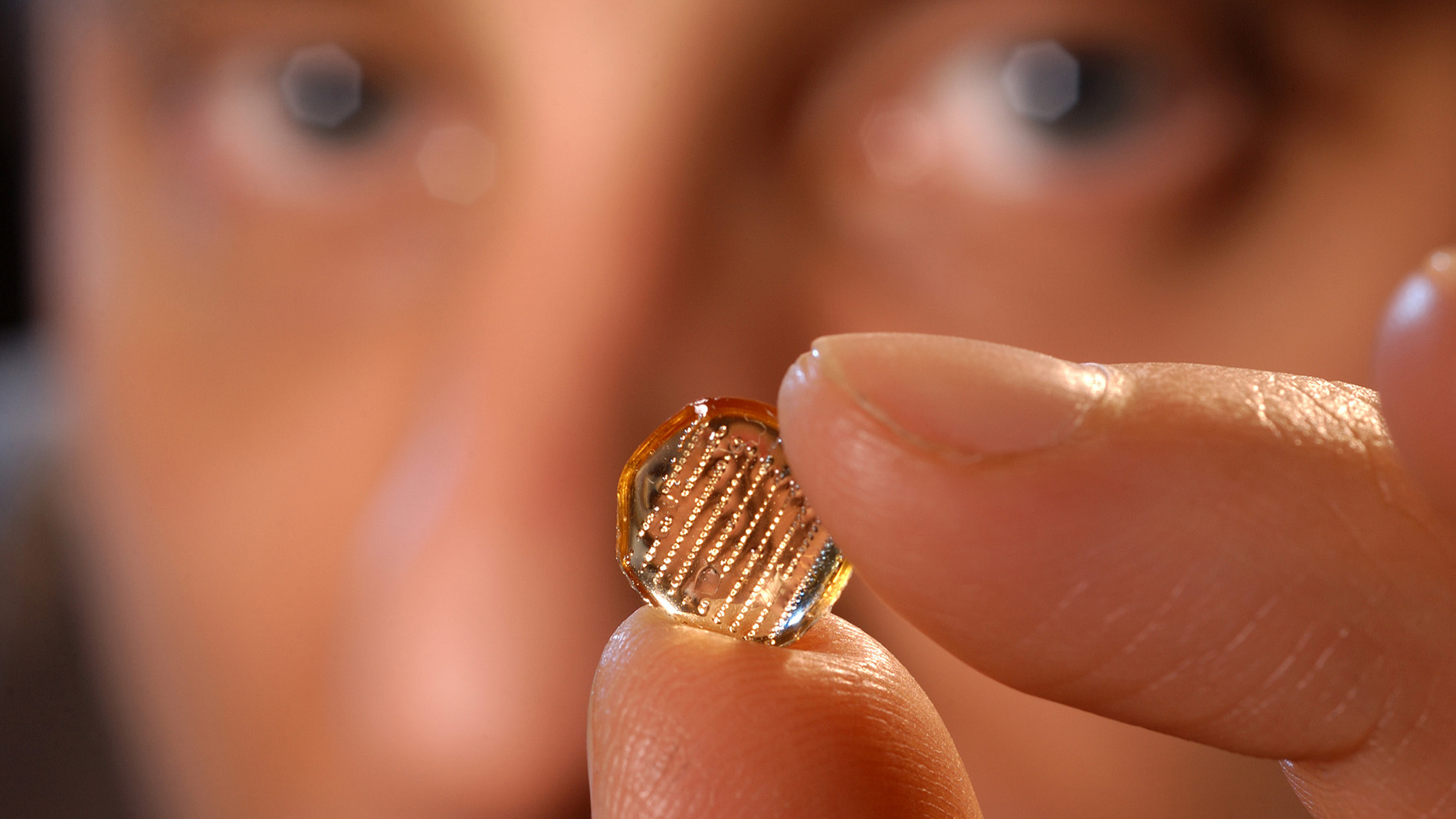
That work has led to the development of microneedle patches — designed to deliver vaccines and other drugs without traditional injections — as well as new drug delivery methods for conditions affecting the skin and the eye. Several of those technologies have advanced into human testing, including clinical trials focused on vaccines, diabetes treatments, and ocular disease.
“The main thing that I try to do is increase access to medicine,” Prausnitz said. “Medicines that are hard for people to self‑administer, or for people in low‑resource settings who just don’t have access to health care.”
A focus on research that improves lives informs his work as a researcher and a faculty advisor.
“I like to do research that trains students and contributes to literature,” he said. “But I also want it ultimately to help people more broadly. The way to do that is to design the research in the right way and then get it out of the Institute and into a company that can make products.”
An Influence That Multiplies
That combination of research, translation, and impact earned Prausnitz election to both the National Academy of Engineering and the National Academy of Medicine.
That belief in science as a public good shapes how Prausnitz approaches teaching. In classrooms, laboratories, and research groups, he focuses on preparing students to do high‑level engineering and to understand what that work is meant to accomplish.
“What fuels me as a teacher is when the people I work with are genuinely interested and want to understand something more,” Prausnitz said. “I tell students that their impact is influenced not only by the quality of the work they do, but the dissemination of that work.”
Quotes From Colleagues
“What most distinguishes Mark as a faculty member — beyond his extraordinary research record — is the scale and depth of his commitment to training the next generation of scientists and engineers. Over his career, he has supervised more than 50 doctoral students and mentored more than 300 graduate, undergraduate, and postdoctoral trainees in total. These are not merely statistics: They represent an unbroken chain of scientists, clinicians, engineers, and entrepreneurs now making their own contributions across industry, academia, and government — all shaped in important ways by their years working with Mark.”
— C. Ross Ethier, Professor of Ophthalmology, Emory University; Emeritus Professor of Biomedical Engineering, Georgia Institute of Technology
“Professor Prausnitz founded the fields of skin electroporation and microneedles for drug delivery to the skin and the eye. In 1998, he published the first paper on microneedles for drug delivery and filed the first of his patent applications. The response to this innovative technology was tremendous.”
— Robert S. Langer, Institute Professor, Massachusetts Institute of Technology
“I have known Mark for many years and have been impressed with his notable accomplishments, especially concerning the interdisciplinary aspects of his work that can be appreciated by chemical engineers with diverse backgrounds. His work provides an inspirational demonstration of the power of chemical engineering to advance medicine and improve the lives of people around the world.”
— Sir Cato T. Laurencin, Doctor of Medicine and Professor, University of Connecticut
“From exploding pills for increased bioavailability to microscopic star‑shaped particles for enhanced transdermal drug delivery, Professor Prausnitz approaches new research directions with curiosity and a scientific eye. His openness to exploring unconventional ideas, paired with thoughtful data evaluation, creates an environment where rigorous inquiry is encouraged. From Professor Prausnitz, I have learned that no idea is too wacky, no experiment is a failure, and no stone should be left unturned.”
— Nisha Raman, Ph.D. Candidate, School of Chemical and Biomolecular Engineering, Georgia Institute of Technology
About the Award
The Class of 1934 Distinguished Professor Award recognizes outstanding achievement in teaching, research, and service. It is the highest honor given to a Georgia Tech professor. Created in 1984 by the Class of 1934 in observance of its 50th reunion, the award is presented to an active professor who has made significant, long-term contributions — contributions that have brought widespread recognition to the professor, to their school, and to the Institute. The award includes a stipend of $25,000. View past recipients of the award.
Credits
Written by Julian Hills