
Art and Tech Take Flight at Atlanta’s Airport
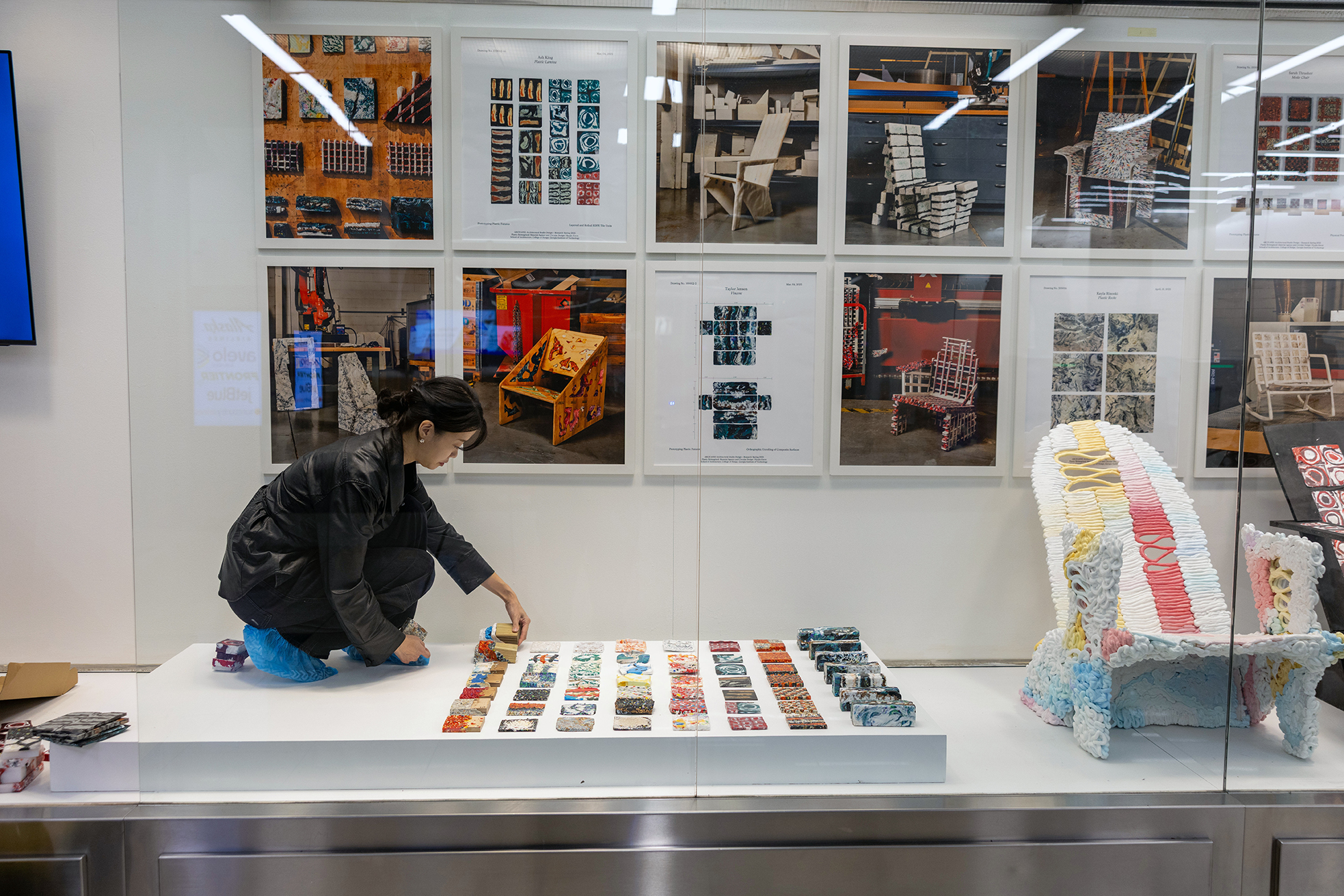
Hyojin Kwon installing Plastic Reimagined: Material Agency and Circular Design
Georgia Tech has launched a bold exhibition at Hartsfield-Jackson Atlanta International Airport: Transport | Transform | Transcend: Innovations in Materials and Movements.
On view in Terminal T North through November 2026, the exhibition showcases the groundbreaking work of researchers merging science, technology, and design to reimagine traditional notions of movement, materiality, and meaning. Artists include Georgia Tech researchers:
- Brian Magerko
- Milka Trajkova
- Henrik von Coler
- Gil Weinberg
- Lisa Marks
- Hyojin Kwon
- Ashutosh Dhekne
- Daniel Phelps
- Juan-Pablo Correa-Baena
Georgia State University’s Jeremy Bolen is also among the exhibition researchers.
Curated by Birney Robert, curator and strategist for external engagement for Georgia Tech Arts, the exhibition features eight immersive projects. Challenging boundaries and exploring movement, they unveil works such as AI-powered dance, robotic percussion, parametric textiles, circular design, and plastic-made displays — all representations of transformation catalysts.
Reaffirming Georgia Tech’s belief that imagination and innovation move together, the exhibition transforms one of the world’s most dynamic transit spaces into a platform for exploring how art and technology intersect, inviting airport visitors to see, feel, and experience motion not only as a physical act, but as a force for empathy, sustainability, and transformation.
Investigating the limitations and potential of technology, these works also challenge the perception of the use of technology only as a tool.
“Technology can be a partner in shaping more inclusive and imaginative futures,” said Robert. “Whether it is dancing, bicycling, making music, designing, engineering, or thinking about the transportation of data and humans, Georgia Tech is creating new innovations that help question and power the future of technology and creativity.”
This commitment to creativity as an essential part of discovery is central to Georgia Tech Arts, which serves as a resource for anyone seeking connections or insights into arts-related work happening across campus, Robert added.
Beyond producing its own programming, Georgia Tech Arts helps link people and projects across disciplines — amplifying the ways creativity, technology, and research come together to shape the future of Atlanta’s creative economy and beyond.
“The installation connects faculty and student research in art, design, and technology with one of the world’s busiest transportation hubs,” says Robert. “It also ties into larger Institute efforts like the Creative Quarter and the new Bachelor of Science in the School of Arts, Entertainment, and Creative Technologies within the College of Design. Together, these examples show how serious Georgia Tech is about the arts as a driver of innovation, workforce development, and human-centered design.”
Additional Media
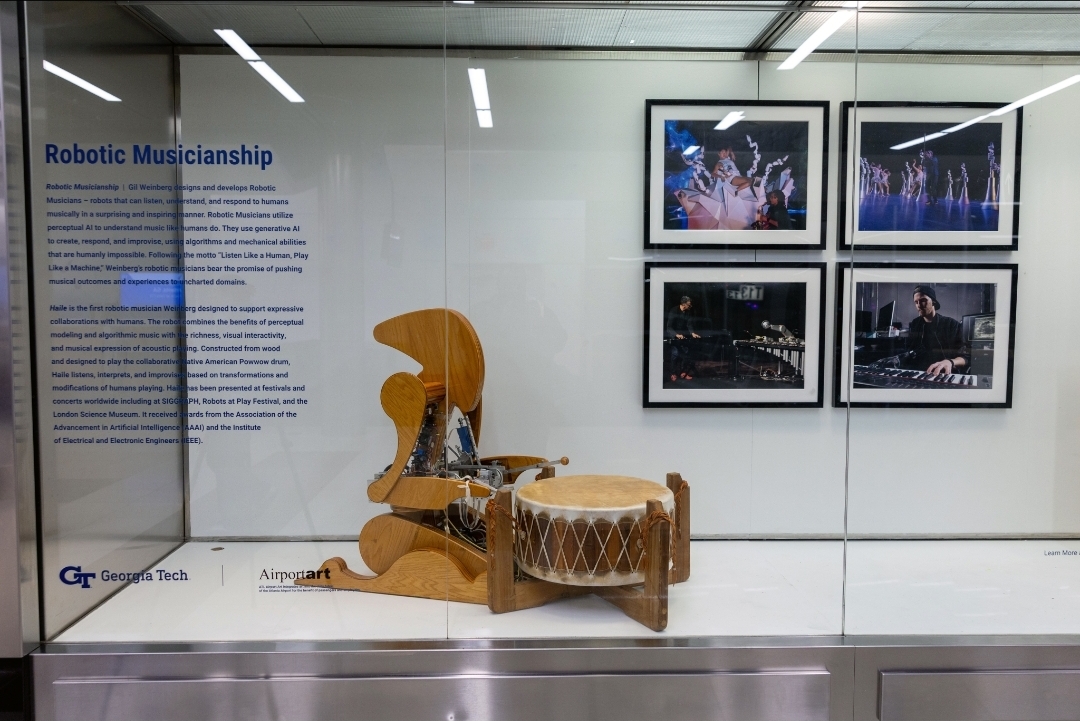
Transport | Transform | Transcend: Innovations in Materials and Movements - Robotic Musicianship
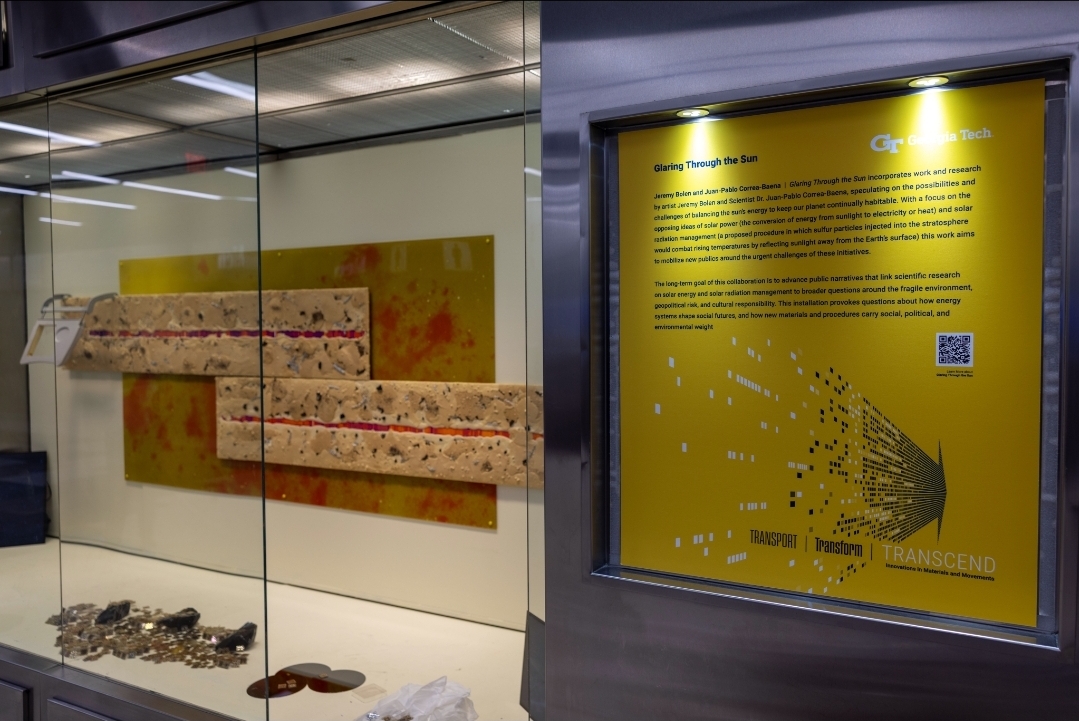
Transport | Transform | Transcend: Innovations in Materials and Movements