Researchers at Georgia Tech have teamed up with NASA and five peer institutions to teach dog-like robots to navigate craters of the moon and other challenging planetary surfaces.
Georgia Tech researchers are teaming up with NASA to study bacteria on the International Space Station to help define how scientists and healthcare professionals combat antibiotic-resistant bacteria for long-duration space missions.
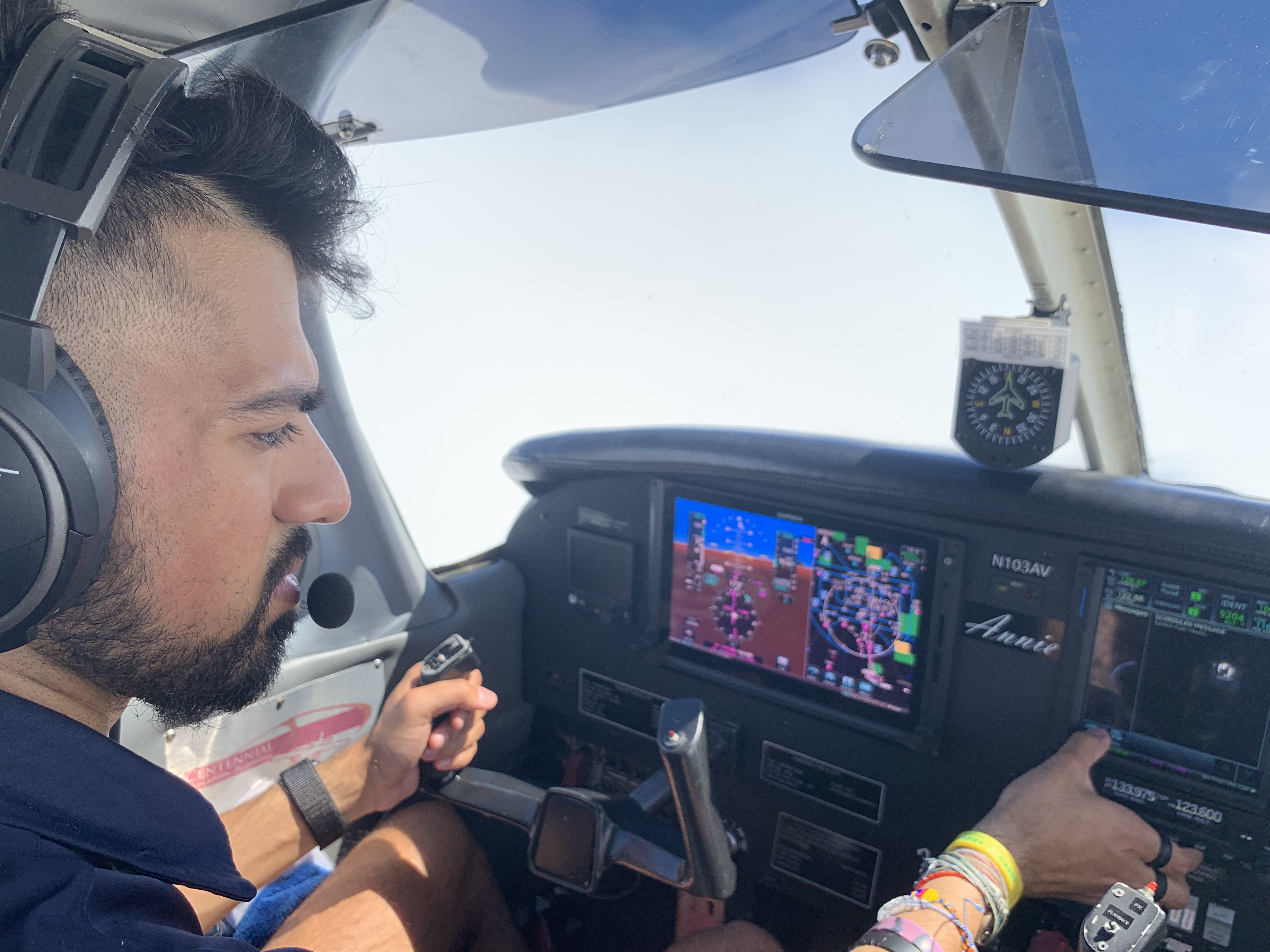
Growing up, Rohan Sohani dreamed of becoming a pilot. While a heart murmur impeded the outgoing SGA president’s plans, he didn’t let it stop him from finding his way into the skies.
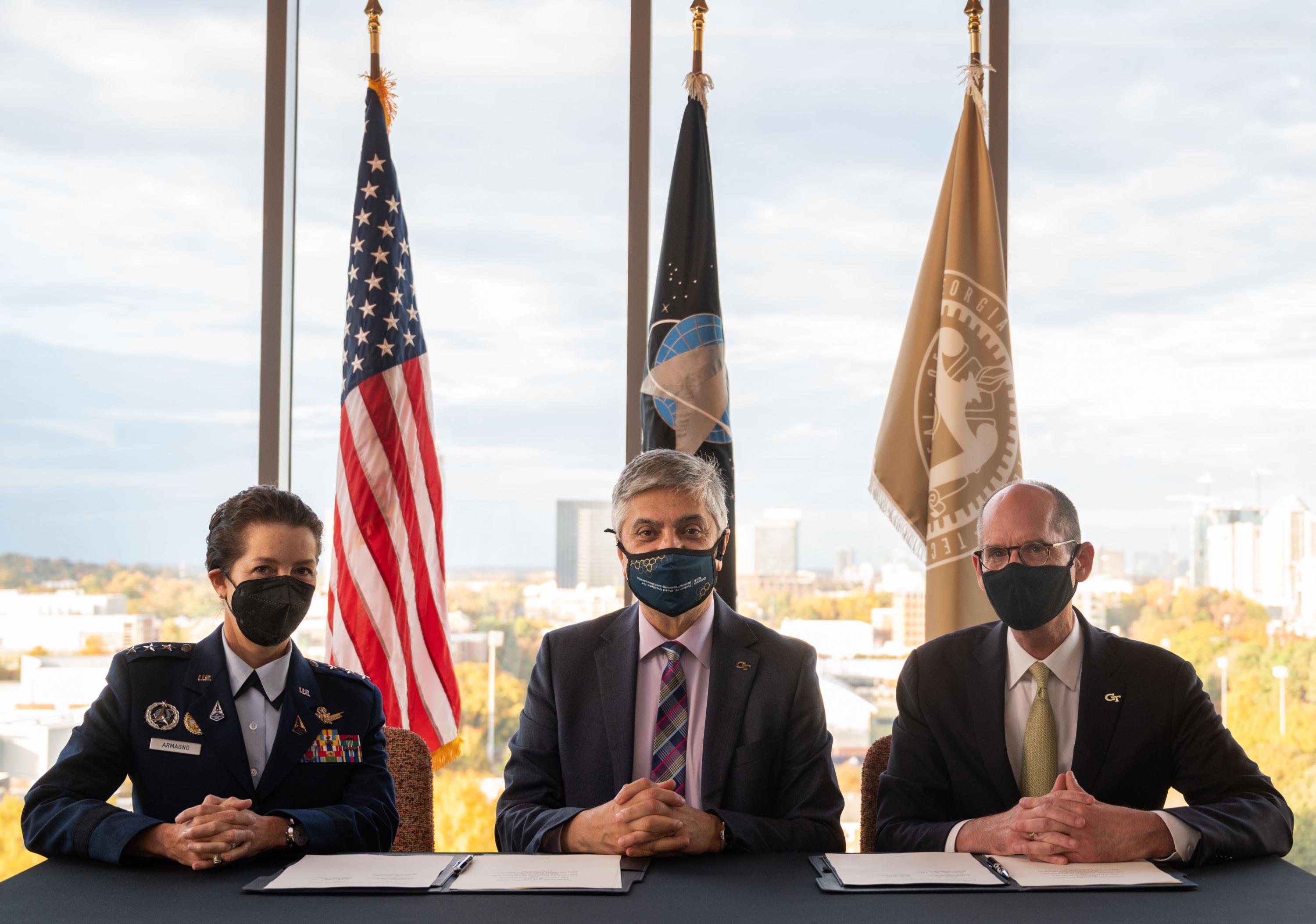
On Nov. 11, Georgia Tech and the U.S. Space Force launched a strategic partnership to develop a high-caliber aerospace workforce and collaborate on advanced aerospace research.