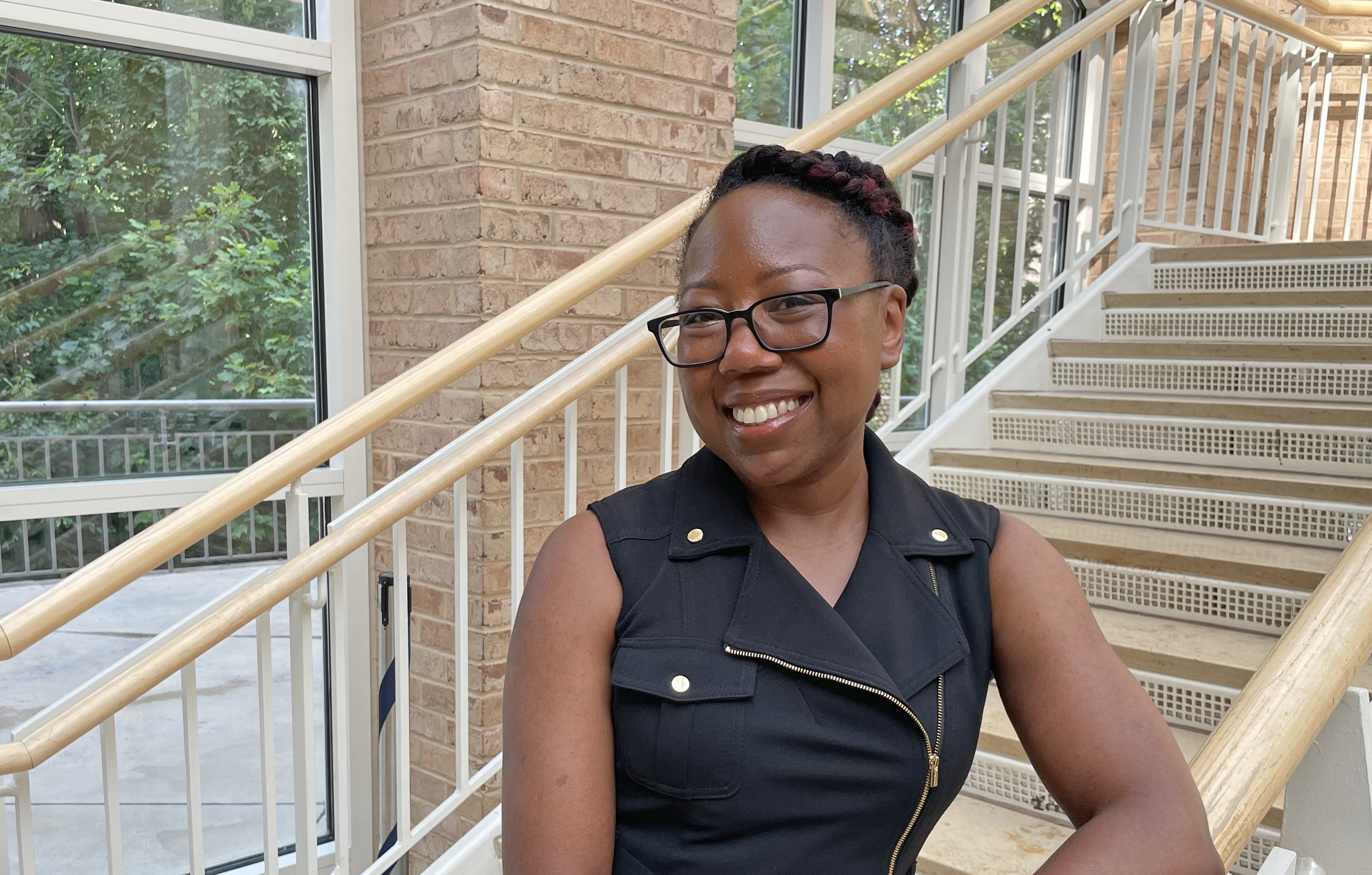
Cybersecurity master’s student Sneha Talwalkar and GTRI Principal Research Scientist Courtney Crooks are working to build the framework of an AI tool with the goal of providing support and protection to domestic abuse survivors.
This fall, the Institute will launch a foundational, interdisciplinary program to lead in research related to neuroscience, neurotechnology, and society.
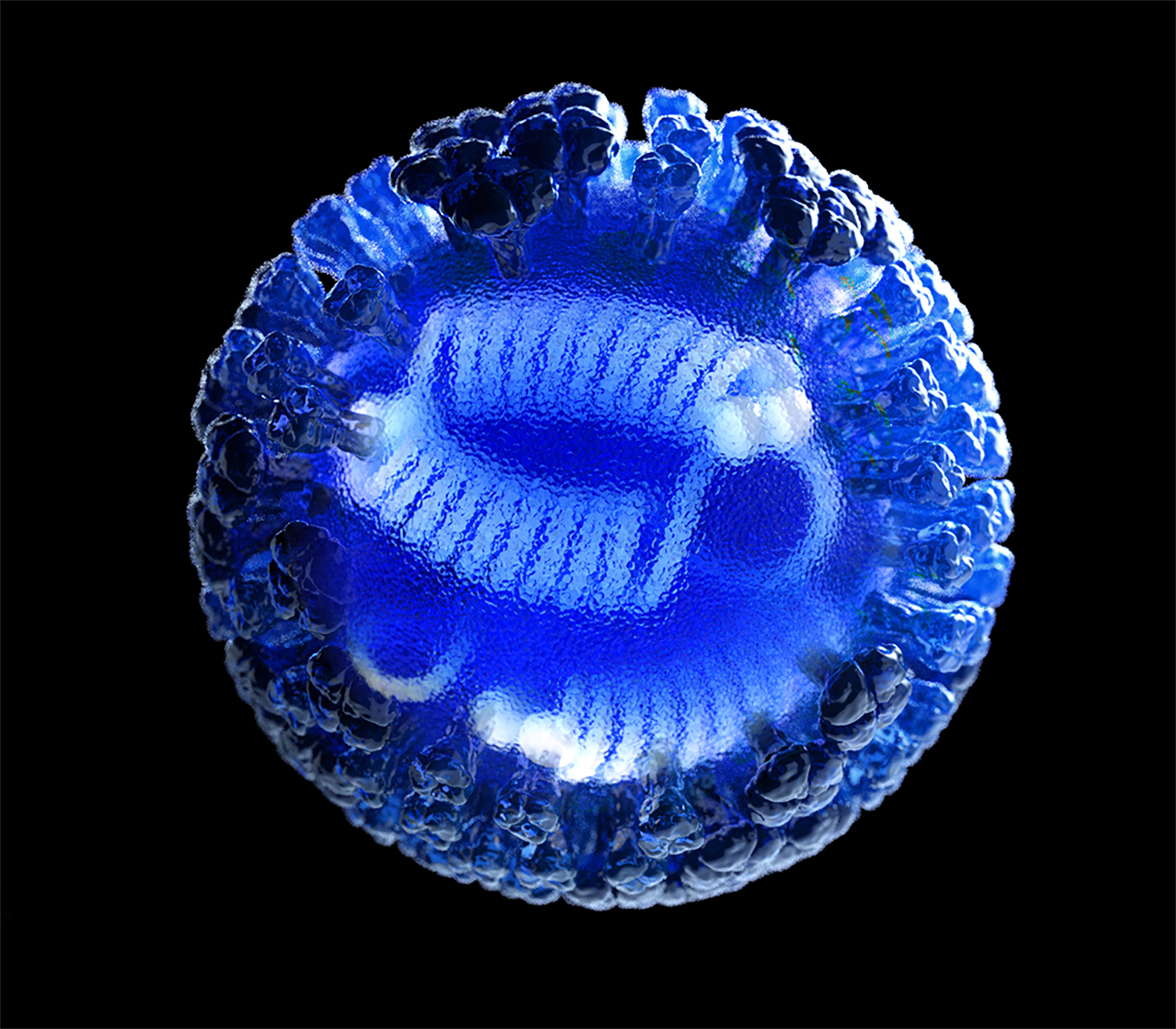
A newly funded research project might one day lead to the development of a pill or capsule able to boost the effectiveness of traditional vaccines against influenza
A Georgia Tech Ph.D. student has created a new framework that enables a four-legged robot to perform increasingly complex tasks without relearning motions.
Philip Santangelo wants to build a toolbox of mRNA drugs to activate or shut off specific genes to help the immune system fight cancer and other disorders.
The EPA is funding the research on the occurrence and concentration of pathogens and disinfection by-products and the environmental conditions favorable to their growth in drinking water distribution systems.