Researchers at Georgia Institute of Technology and the Piedmont Heart Institute are using standard medical imaging and new 3-D printing technologies to create patient-specific heart valve models that mimic the physiological qualities of the real valves.
A potentially deadly parasite that can ulcerate skin, nose, mouth and organs could someday meet its match in an experimental vaccine that has now worked in lab tests on humanized mice.
The Georgia Clinical & Translational Science Alliance has received a $51 million NIH grant
The fight to discover HDL cocktails that actually work against atherosclerosis, the #1 killer of our times, receives major funding.
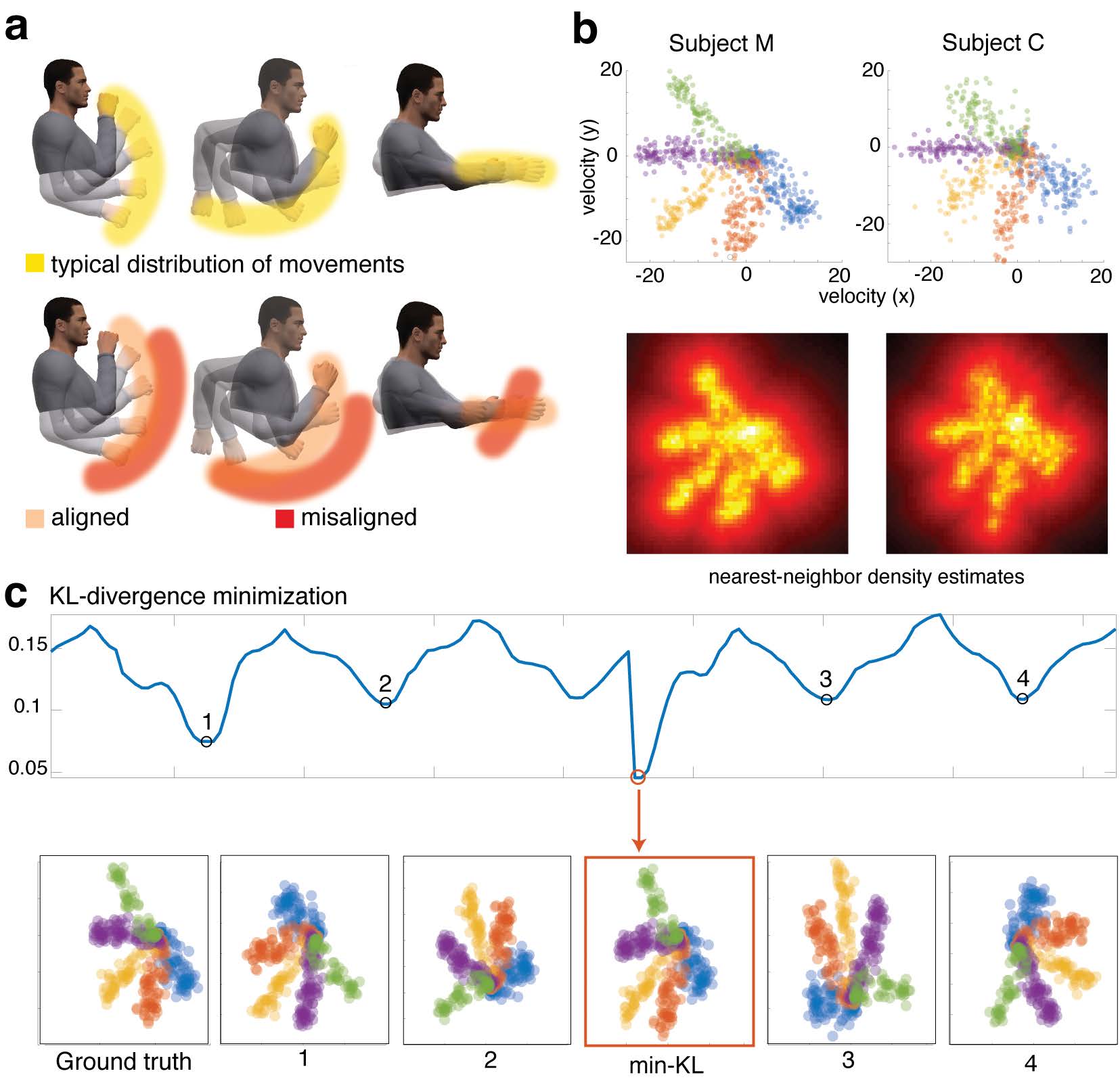
Brain signals are as furtive as the wartime encryption system 'Enigma,' but they can be similarly decrypted as new research shows.
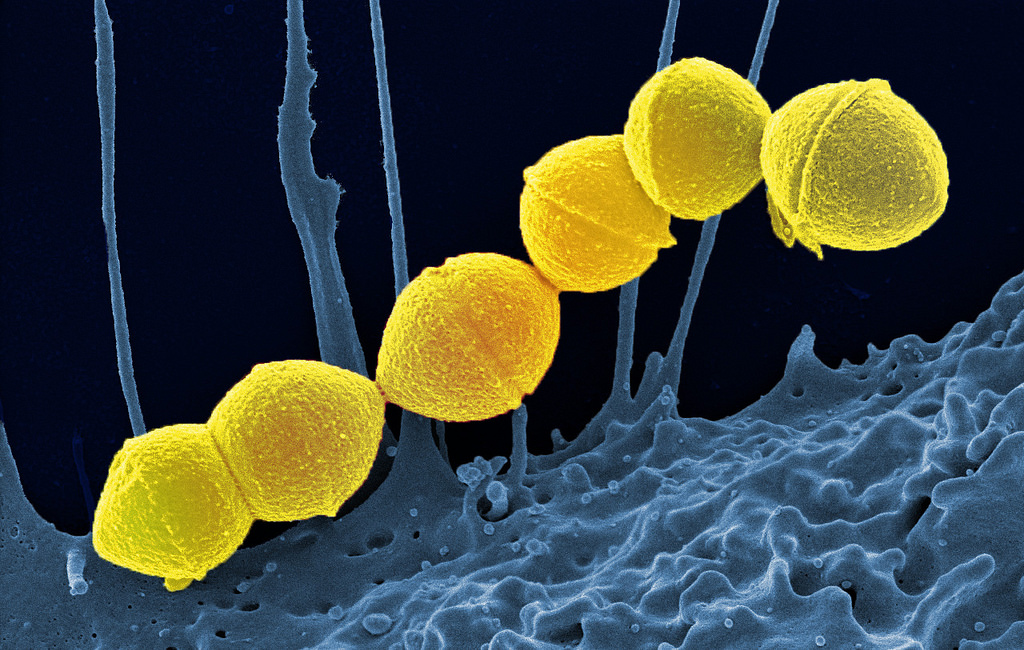
It's time to develop alternate drugs against small infections as a strategy to slow the antibiotic resistance crisis, Georgia Tech evolutionary bacteriologists say.

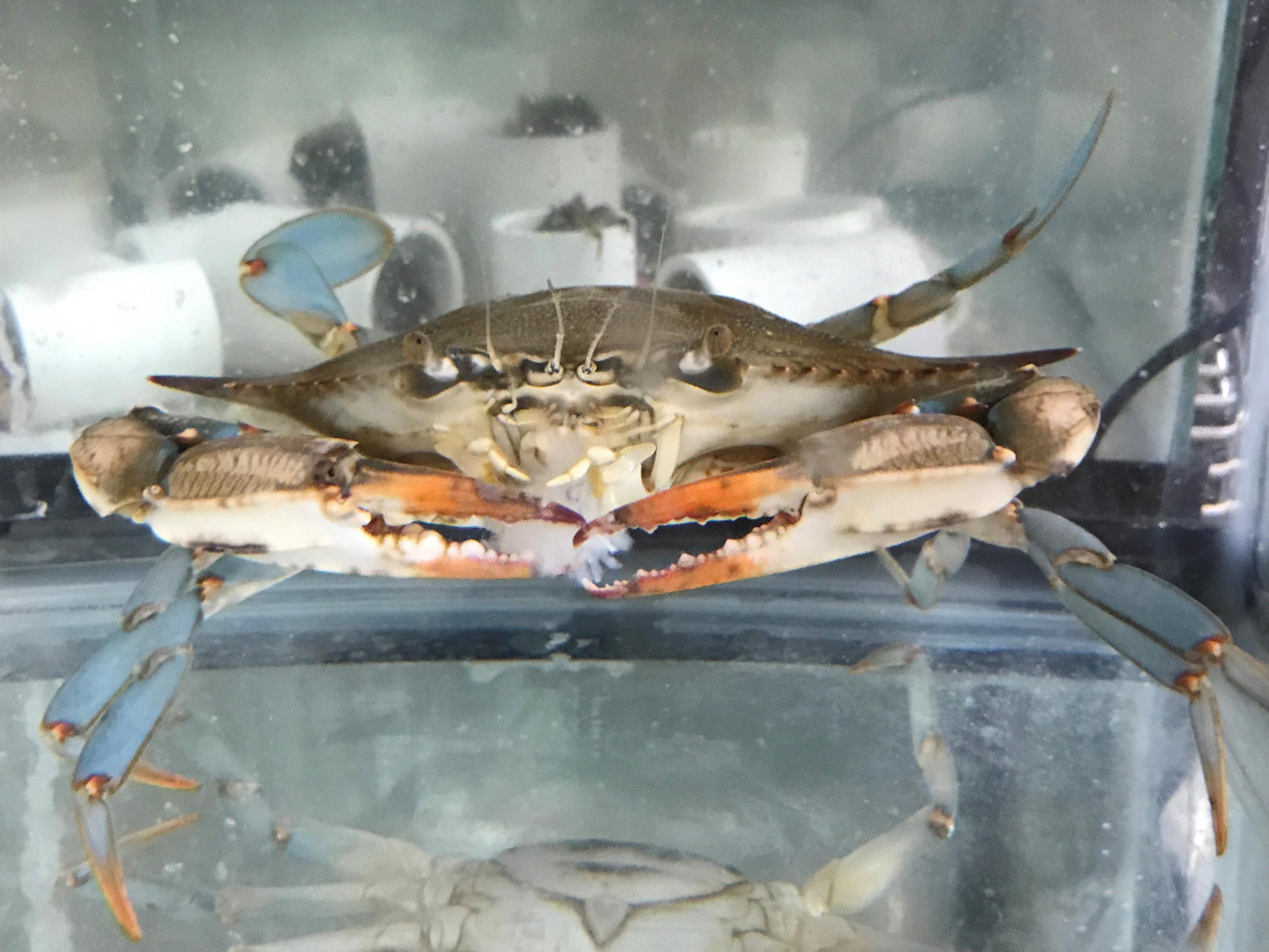
Pinpointing two crab urine chemicals out of hundreds opens new doors of understanding of how marine chemical messaging works.
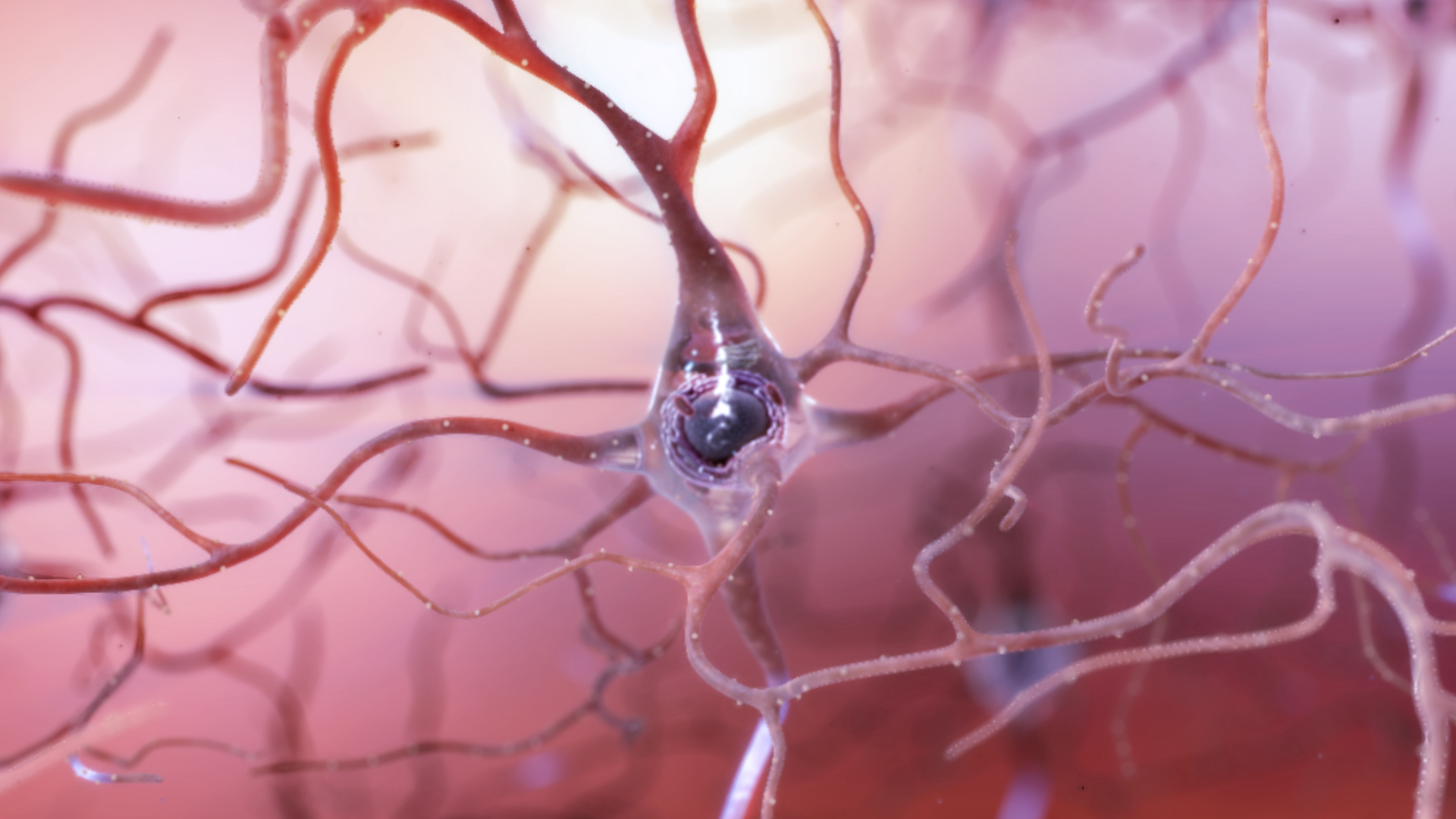
Some of what researchers believed to be chaotic electric potentials in neurons are turning out the be surprisingly orderly.
The InVenture Prize finalist redesigned surgical blade packages so they're easier and safer to use.
Researchers have studied how passengers move about on aircraft to evaluate potential transmission of respiratory infections.