Eastern U.S. Needs “Connectivity” to Help Species Escape Climate Change
Climate Change May Extend Ozone Season in the Southeastern U.S.
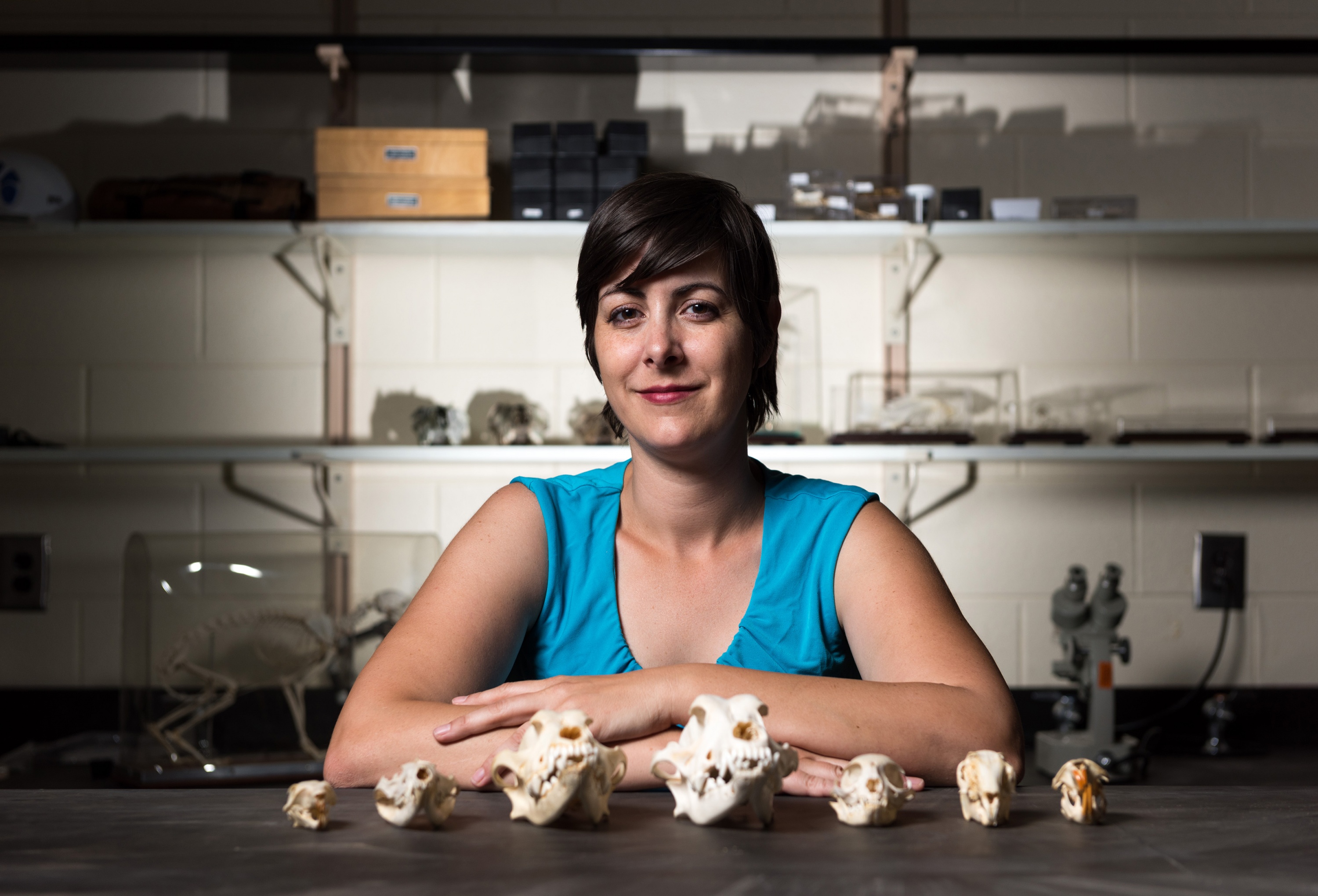
Optimization Technique Identifies Cost-Effective Biodiversity Corridors
Addressing Environmental Challenges with Big Data and Artificial Intelligence
Climate Change: Potentially Good News on Methane and Peat Carbon
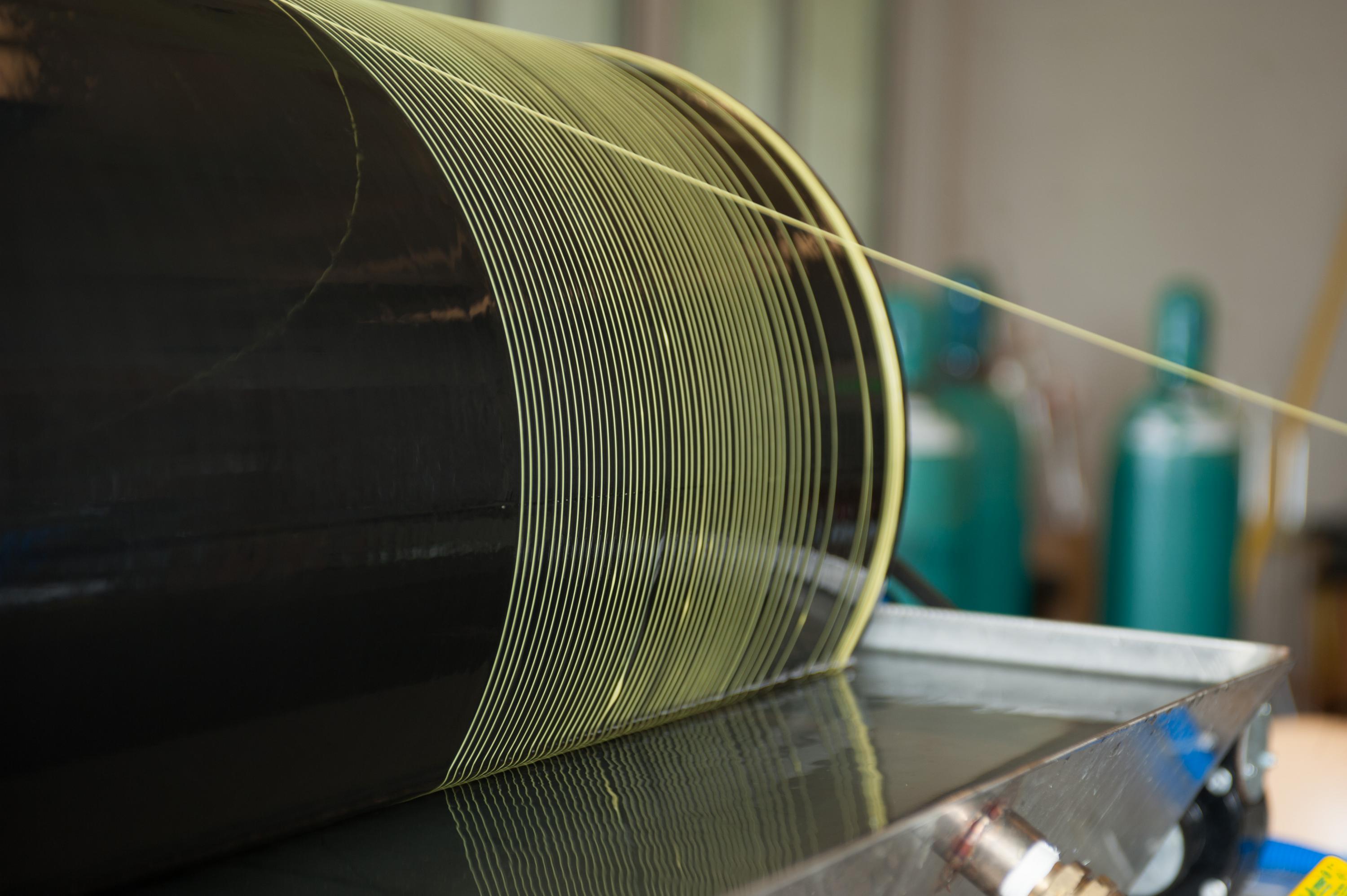
Advanced Materials Power Next-Generation Molecular Separations
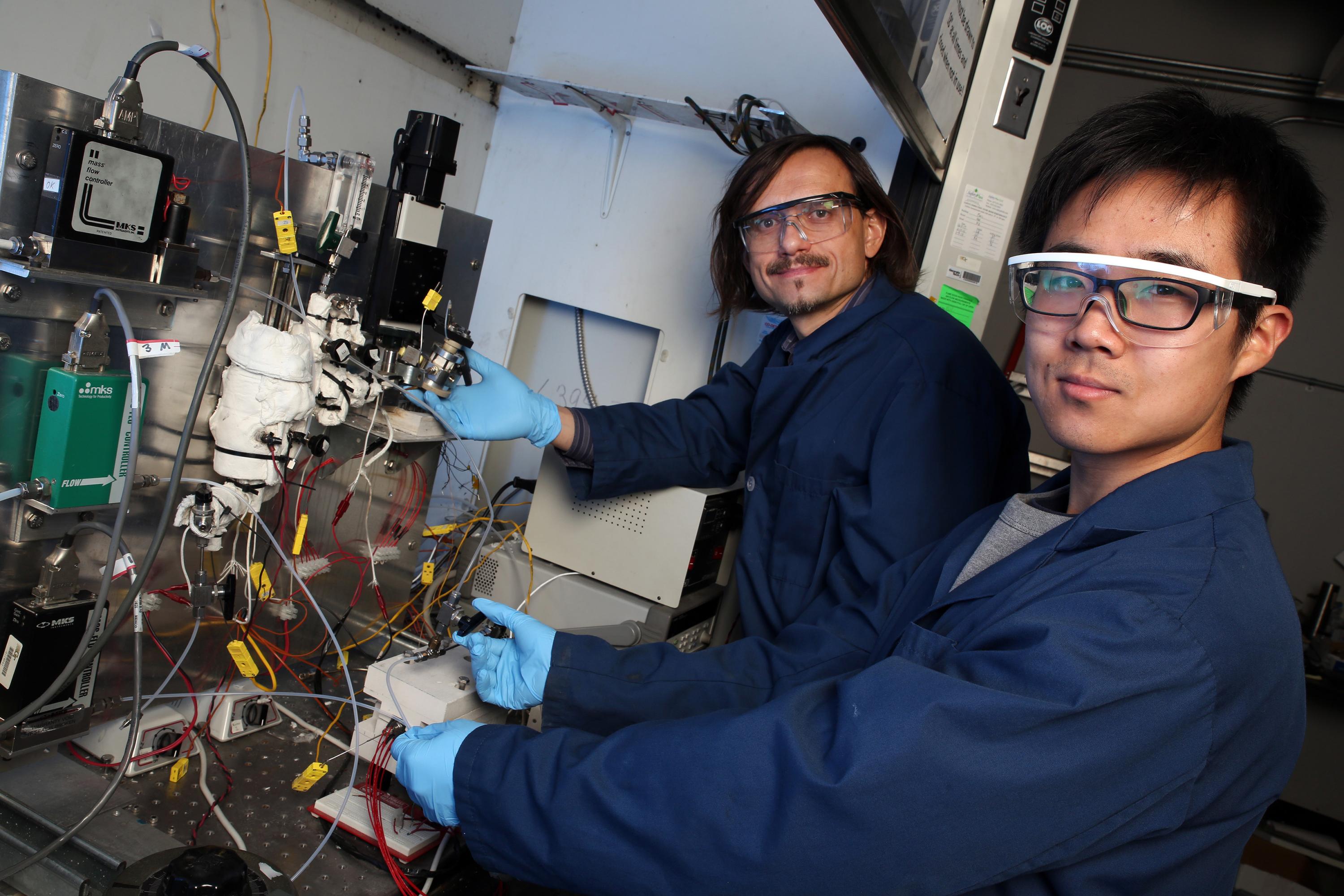
Four-Stroke Engine Cycle Produces Hydrogen from Methane and Captures CO2
Water, Water Everywhere
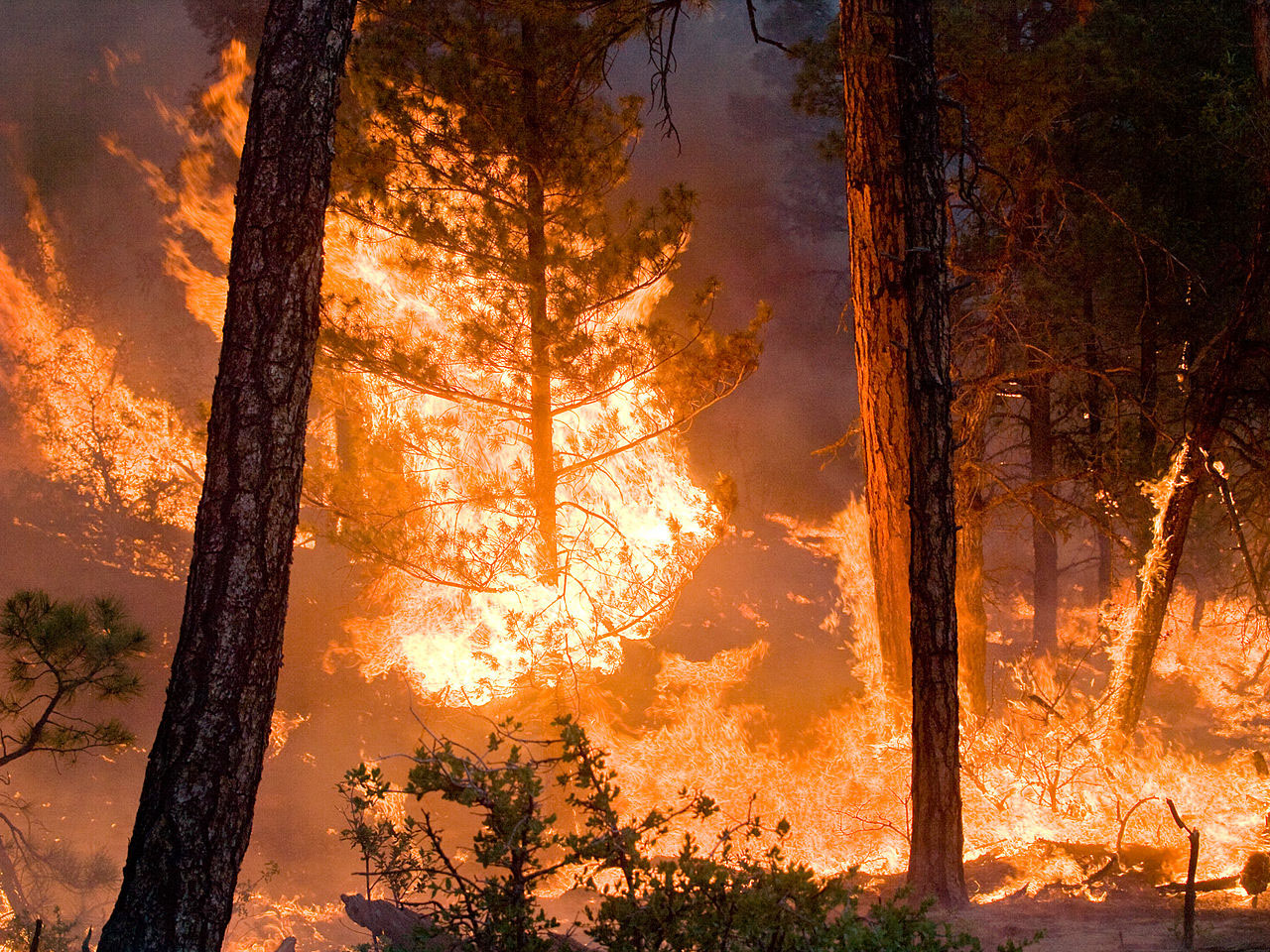
Wildfires Pollute Much More Than Previously Thought
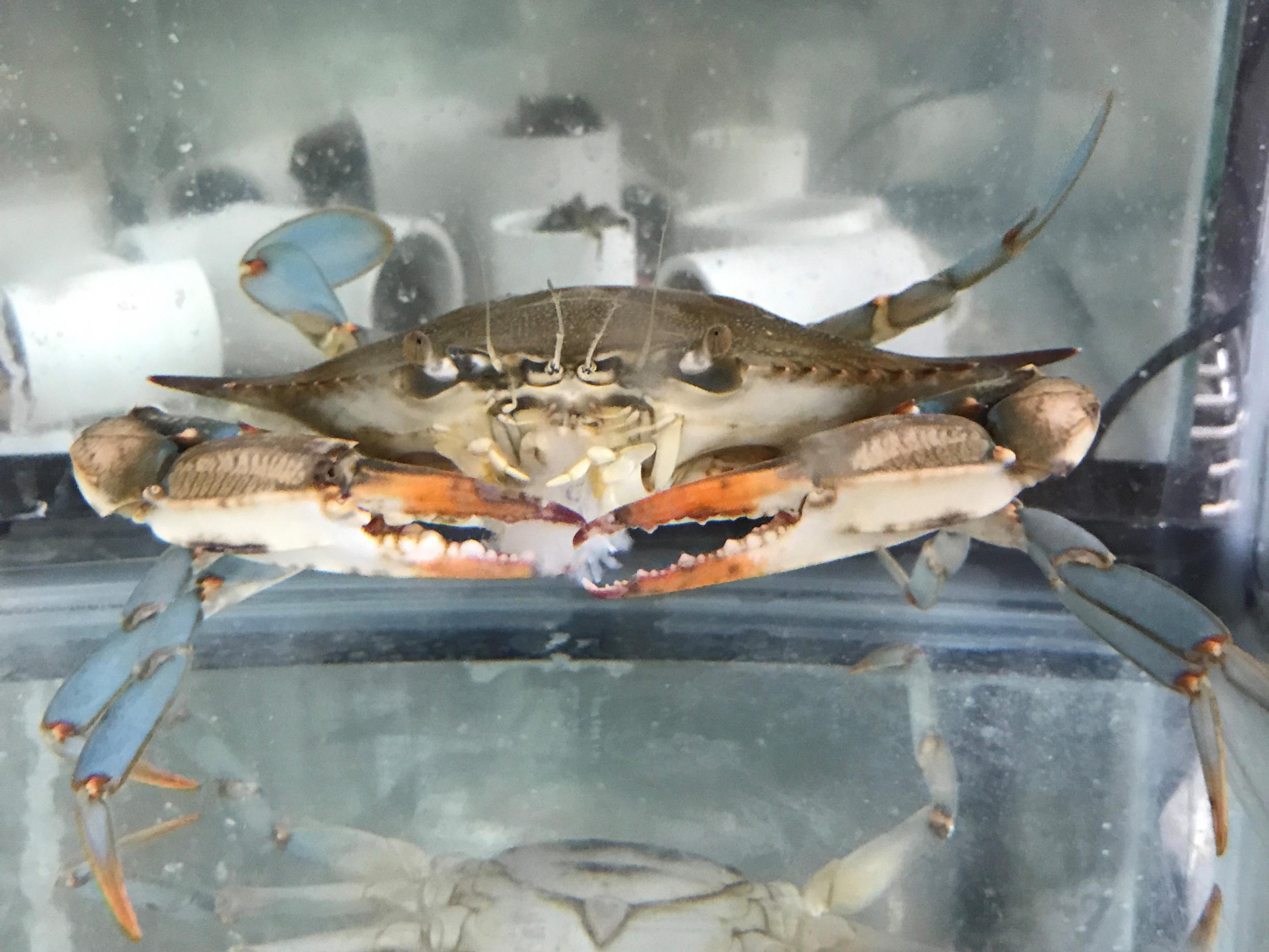
Hide or Get Eaten, Urine Chemicals Tell Mud Crabs