The expanded undergraduate degree offerings are designed to continue Georgia Tech’s reputation for academic rigor — and also reflect trends in student interests, as well as current and forecasted needs in the job marketplace.
School of Earth and Atmospheric Sciences researchers find dangerous sulfates are formed, and their particles get bigger, within the plumes of pollution belching from coal-fired power plants.
Rachel Moore spent nearly 50 days in one of the most remote places on Earth, collecting ice cores; the research has implications for climate change predictions and searching for signs of life on icy worlds.
The Urban Honey Bee Project’s new beekeeper in residence is creating art and educating the public with her practice.
On the one-year anniversary of the launch of Sustainability Next, a publicly available version of the plan is being released and several plan initiatives are coming to life.
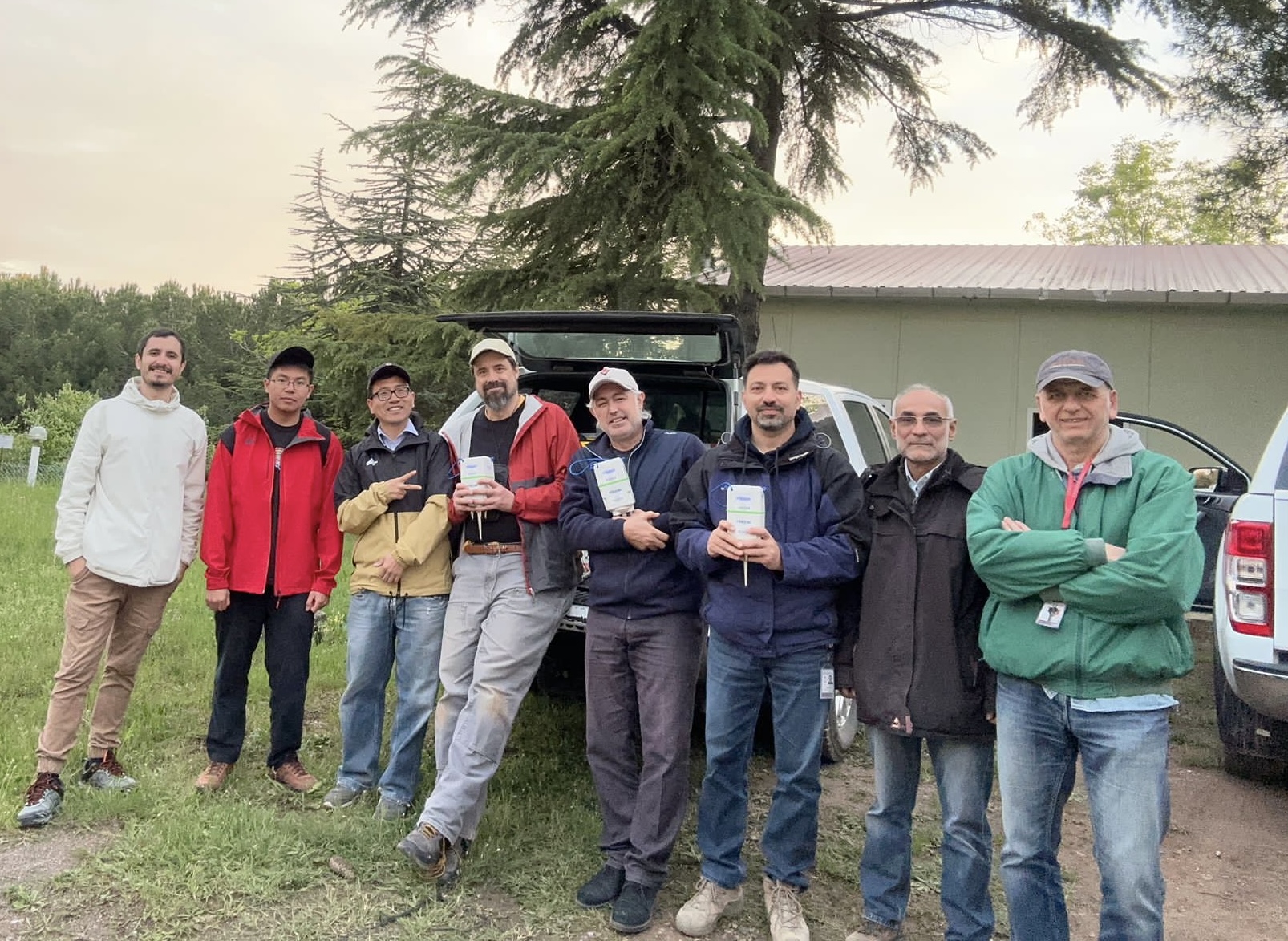
Zhigang Peng and graduate students Phuc Mach and Chang Ding are using small seismic sensors to better understand just how, why, and when certain earthquakes are occurring.
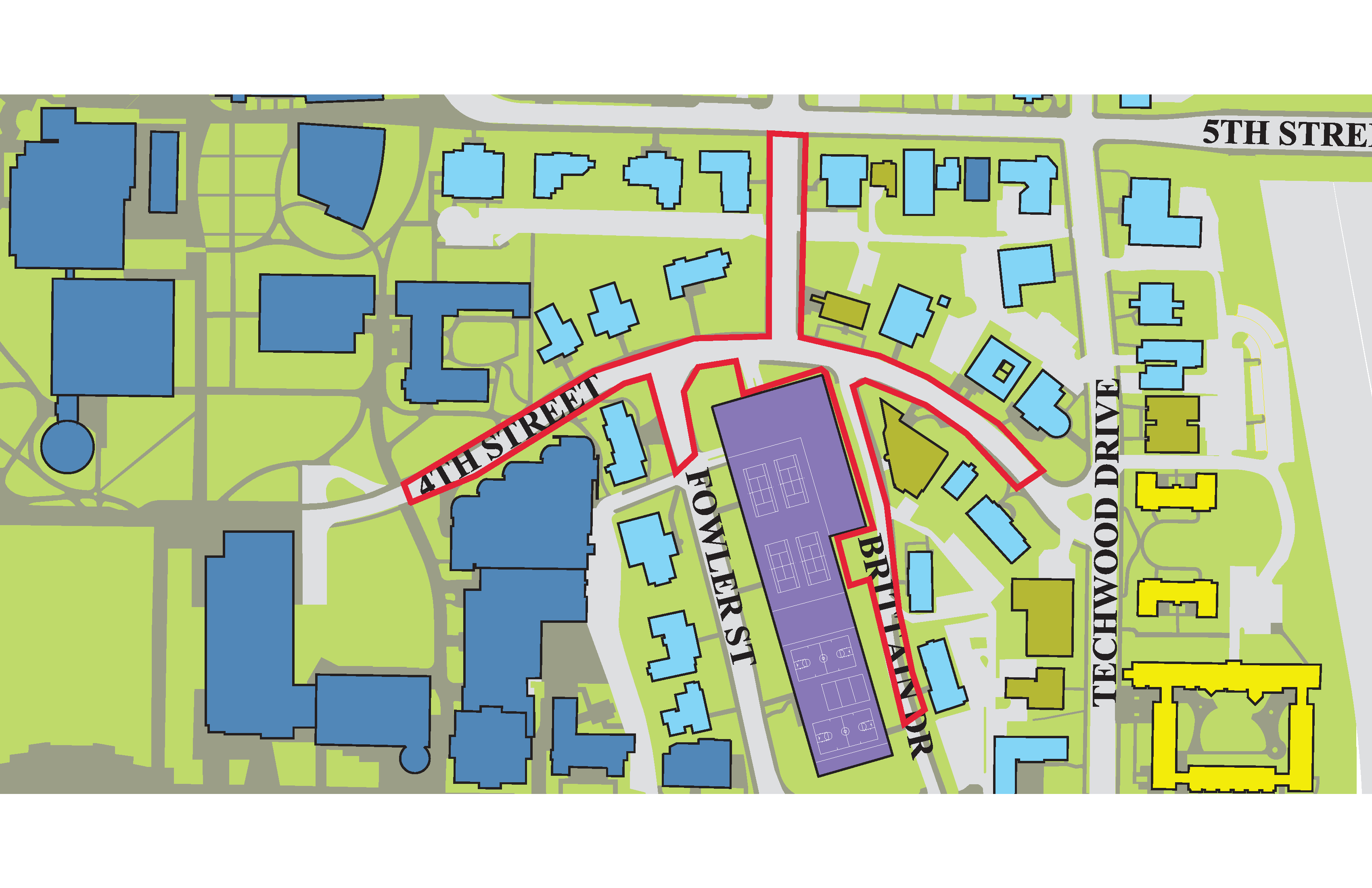
Work will begin along Fourth Street, Brittain Drive, and areas adjacent to Peters Parking Deck.
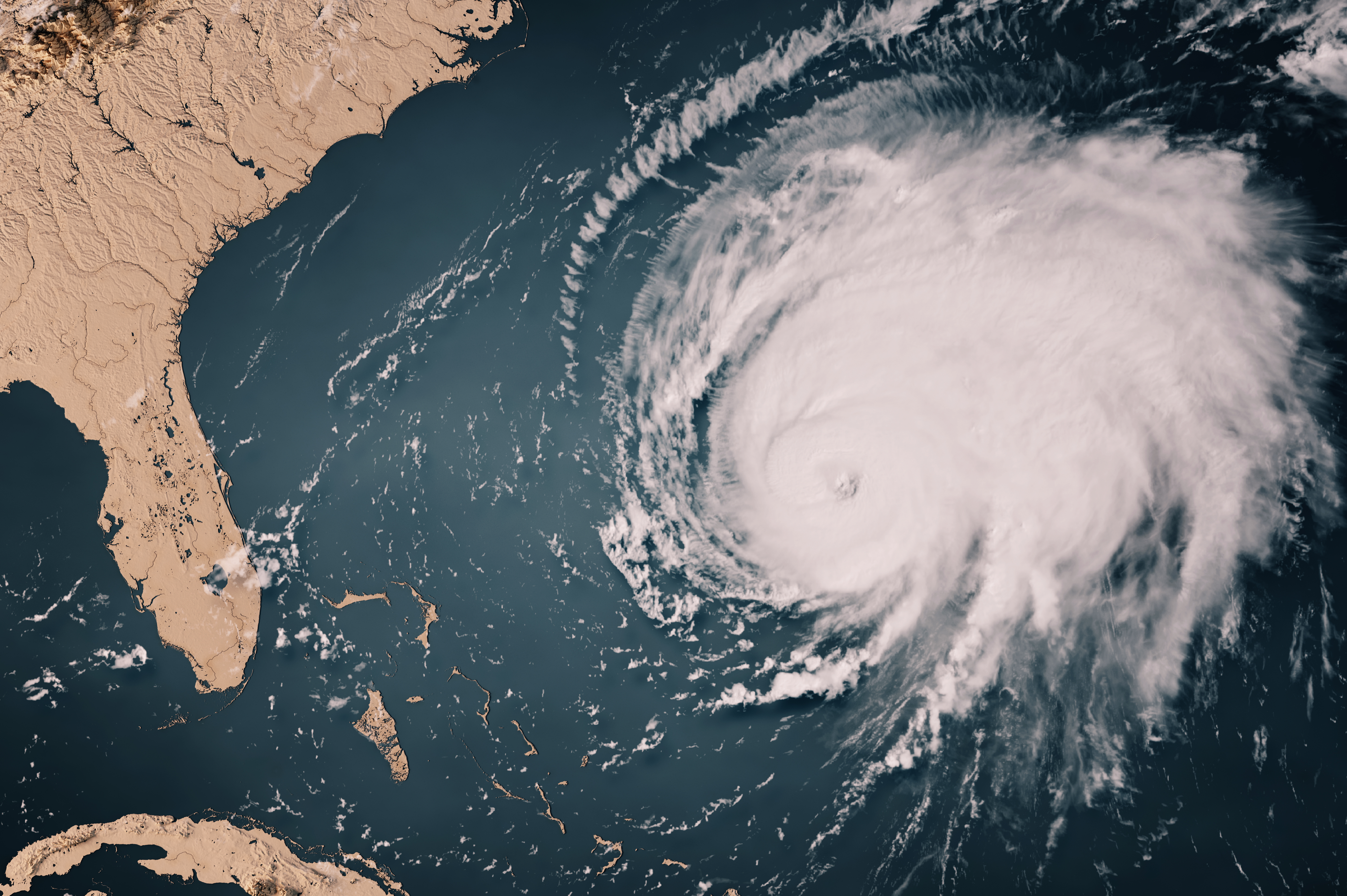
Forecasts call for a near-normal hurricane season, but climate change could make future seasons more unpredictable than ever before.
Researchers at the Georgia Institute of Technology and Yale University are proposing a novel pathway through which coastal ecosystem restoration can permanently capture carbon dioxide from the atmosphere.
The Georgia Tech Research Institute (GTRI) is working to optimize Georgia’s EV battery supply chain by developing cost-and energy-efficient methods that pose fewer environmental risks.