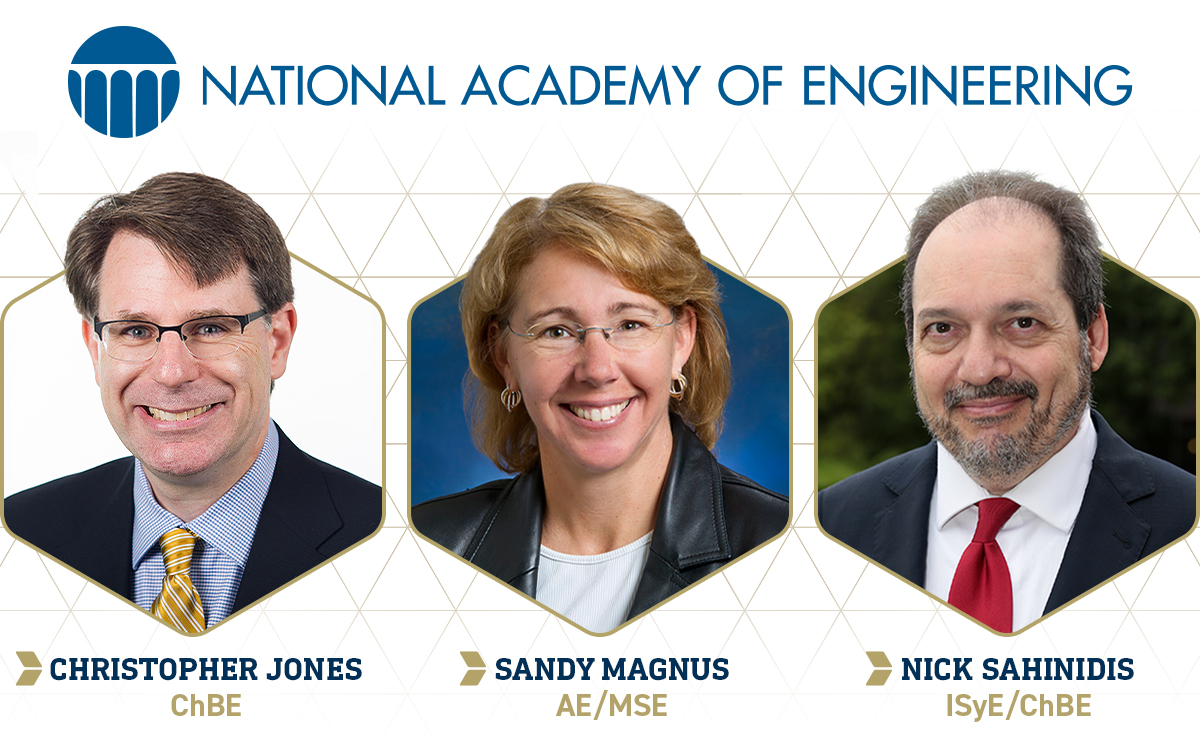
Christopher Jones, Sandra Magnus, and Nick Sahinidis join Nathan Meehan (Phys '75) and Nick Lappos (AE ’73) in being elected to the NAE, one of the highest professional distinctions awarded to an engineer.
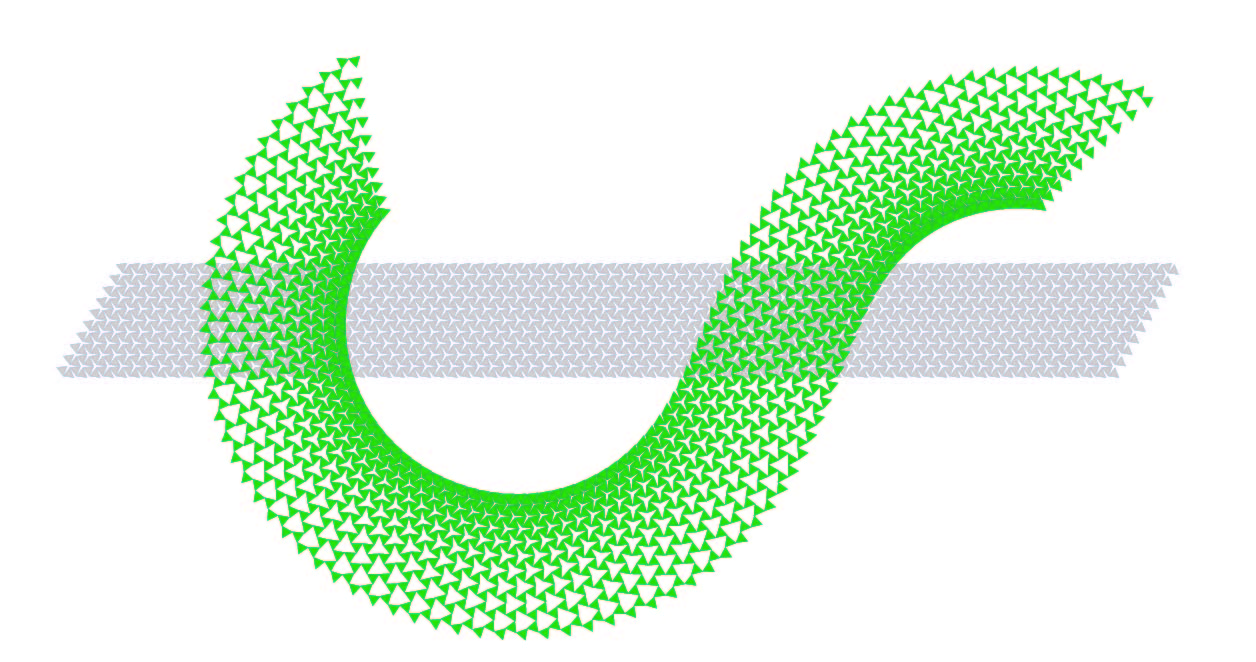
Researchers demonstrate that new physical theories provide precise predictions of the deformations of certain structures, revealing that a flexible mechanical structure is governed by some of the same math as electromagnetic waves and even black holes.
Kim M. Cobb, Hanjoong Jo, and Carlos A. R. Sa de Melo are among AAAS scientists, engineers, and innovators being recognized for scientifically and socially distinguished achievements.
Using a new philanthropic grant, Georgia Tech will hire software engineers to write scalable, reliable, and portable open-source software for scientific research.