IMPAX Program Accelerates Technology Transition into the Navy
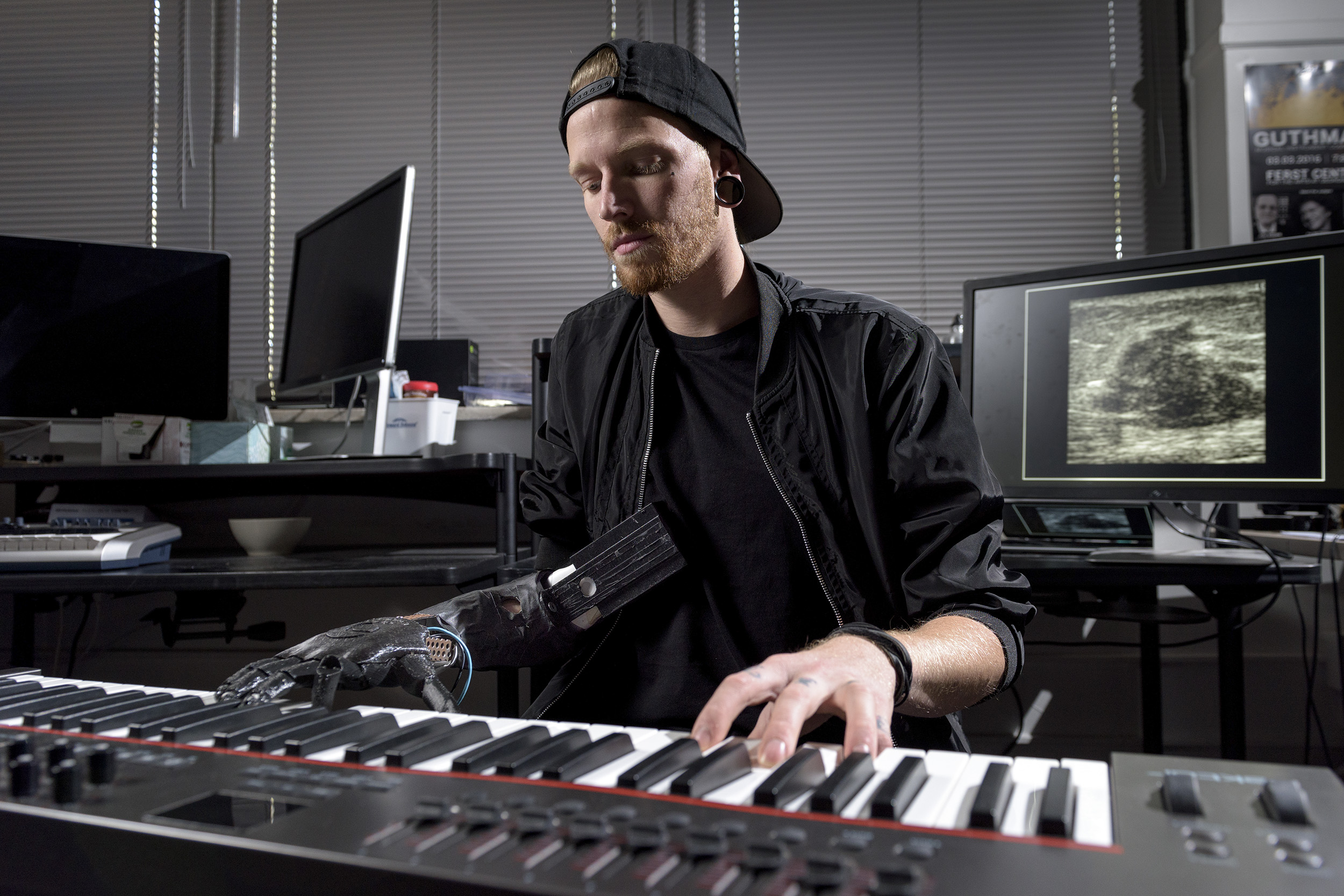
The Force is Strong: Amputee Controls Individual Prosthetic Fingers
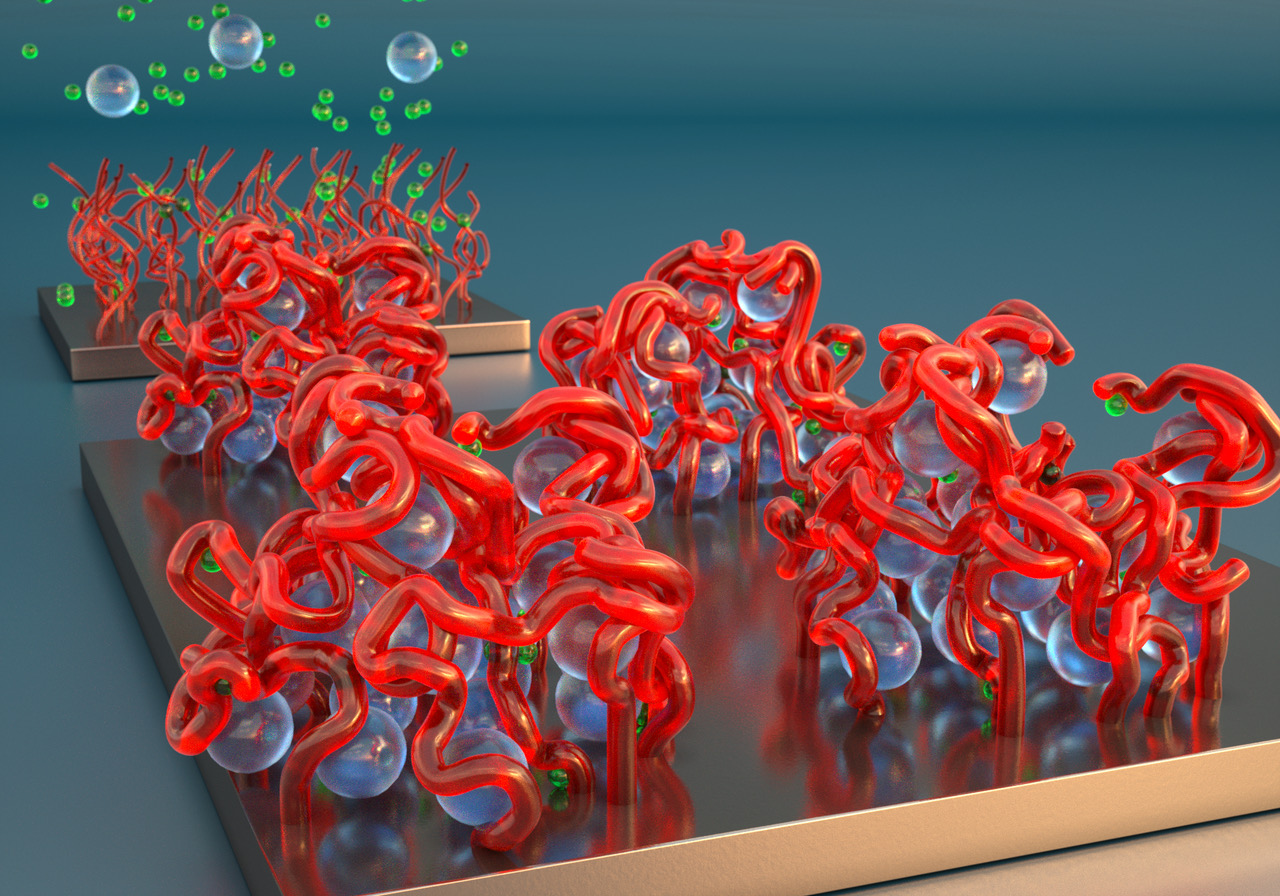
Perking Up and Crimping the ‘Bristles’ of Polyelectrolyte Brushes
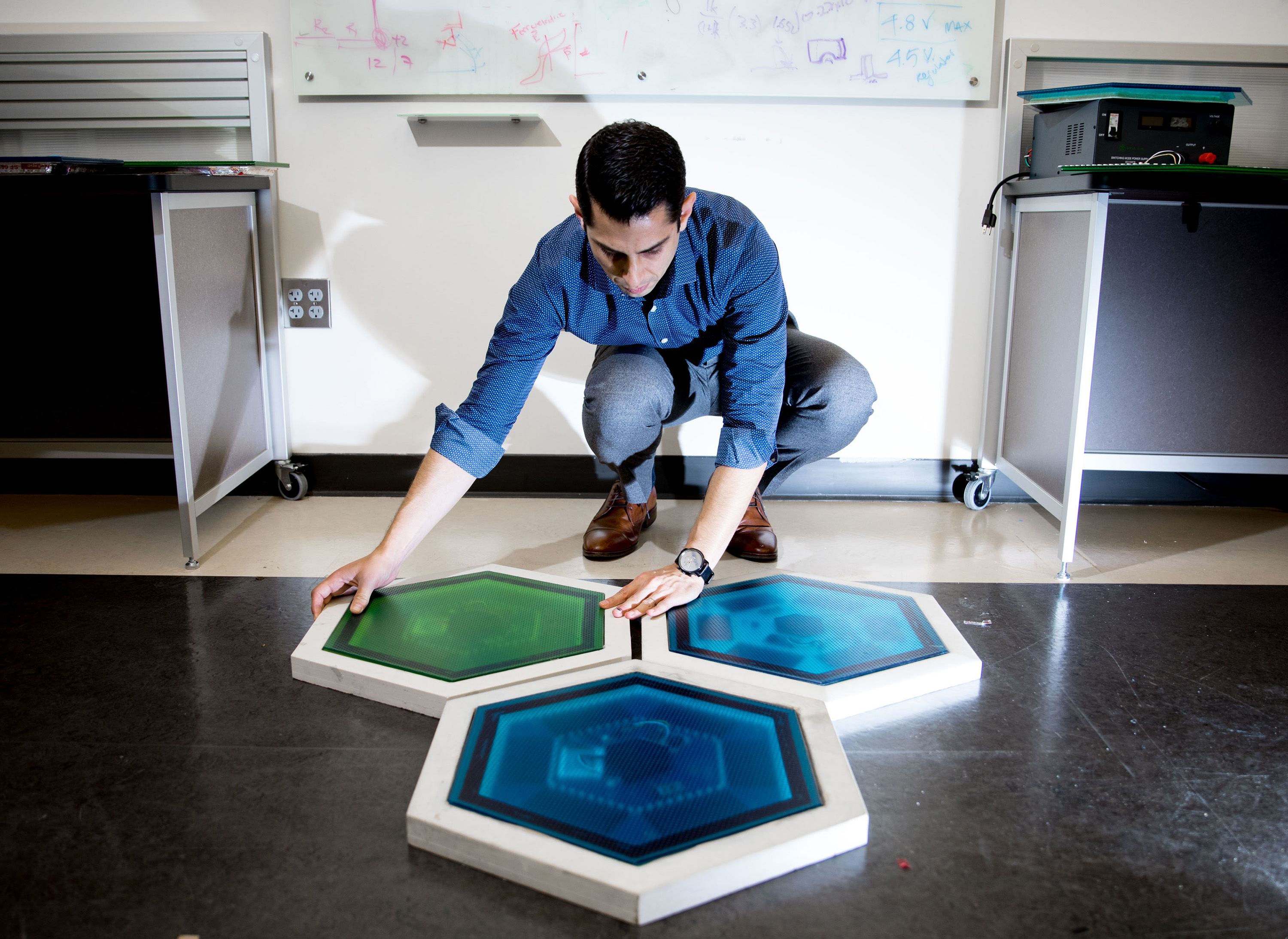
Piezoelectric Tiles Light the Way for Kennedy Space Center Visitors
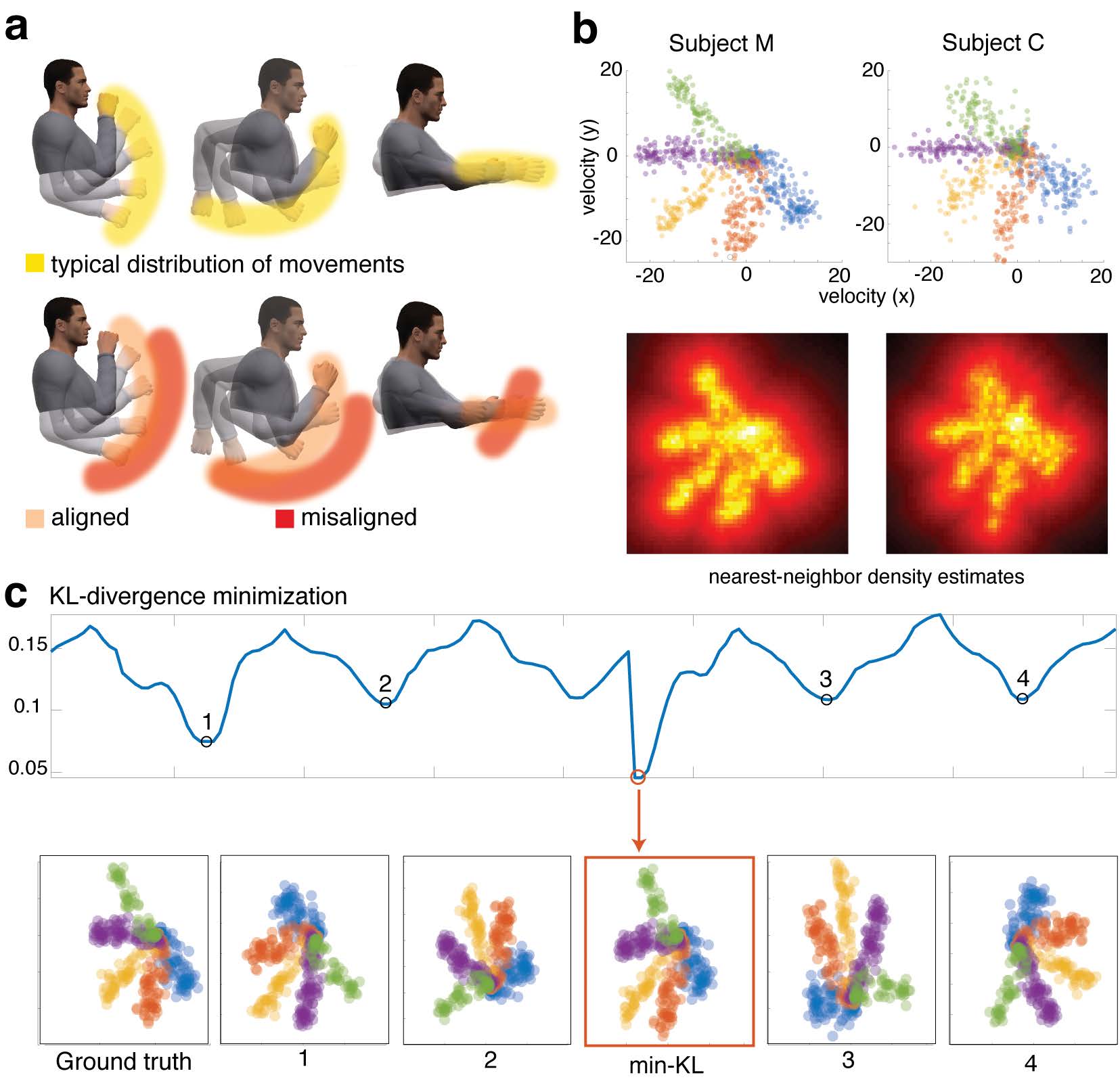
WWII Code-Breaking Techniques Inspire Interpretation of Brain Data
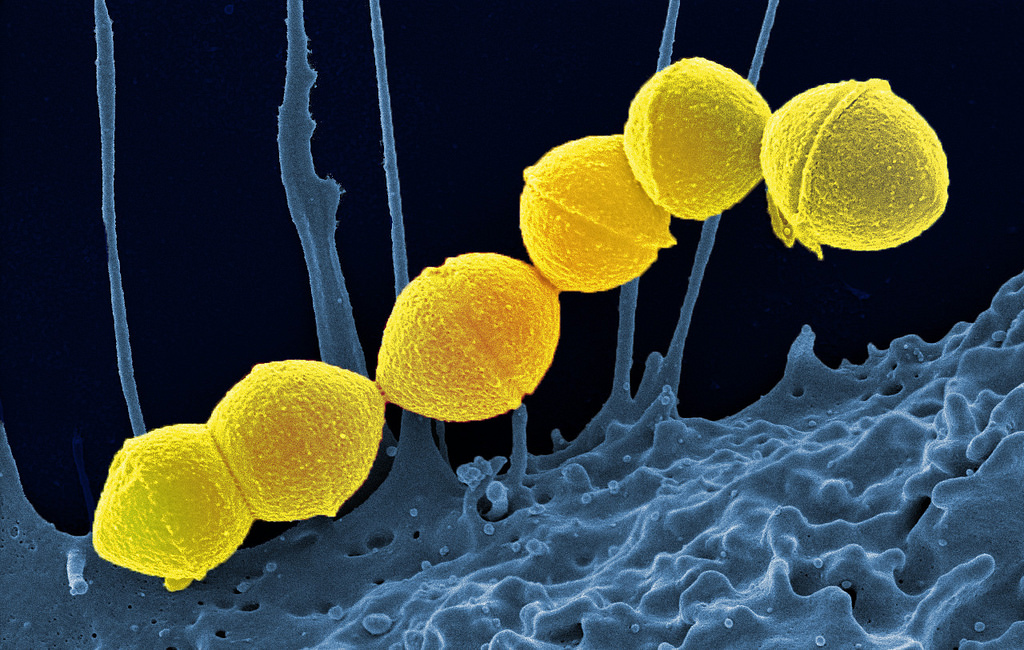
Want to Beat Antibiotic-Resistant Superbugs? Rethink Strep Throat Remedies
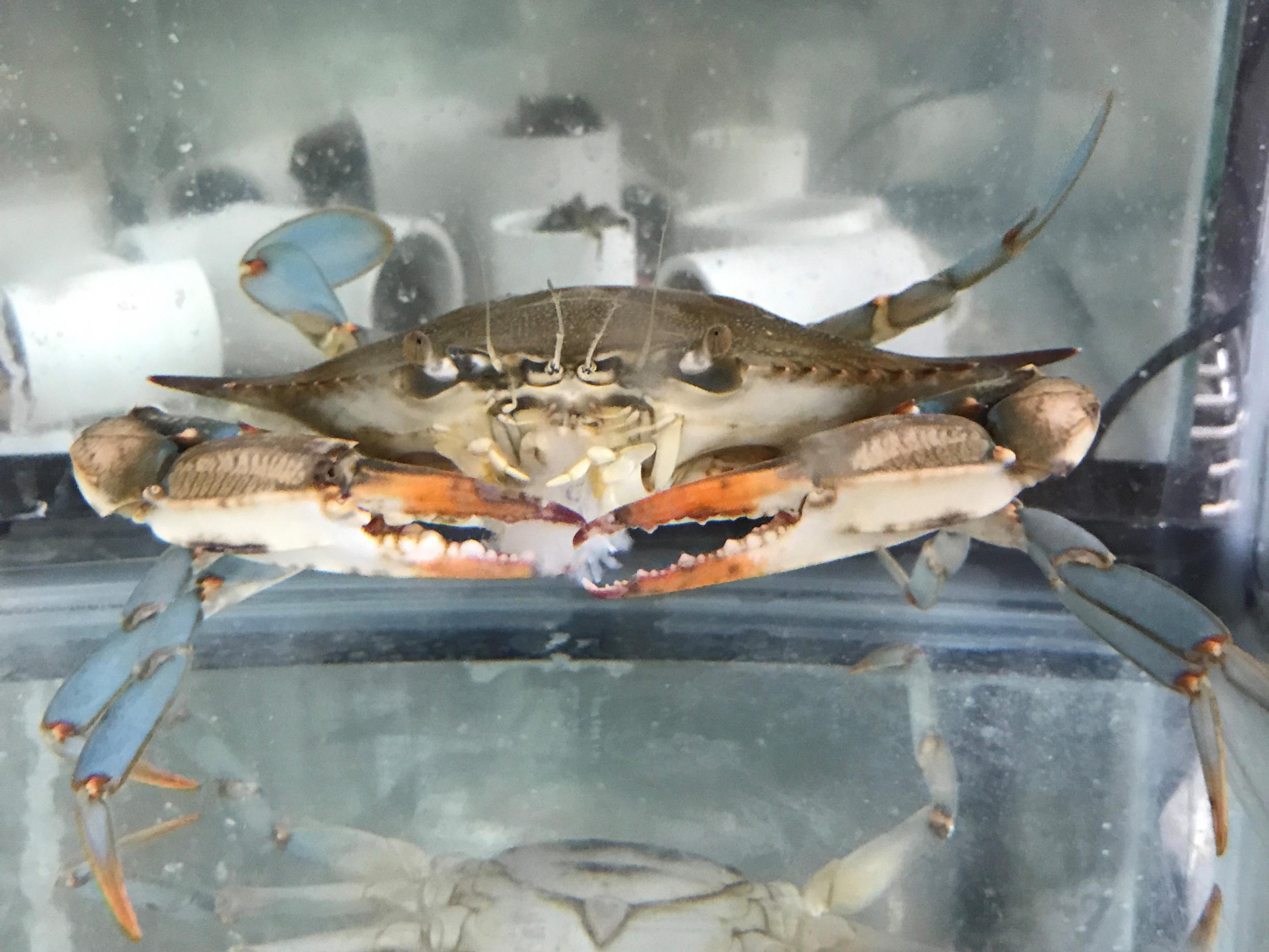
Hide or Get Eaten, Urine Chemicals Tell Mud Crabs
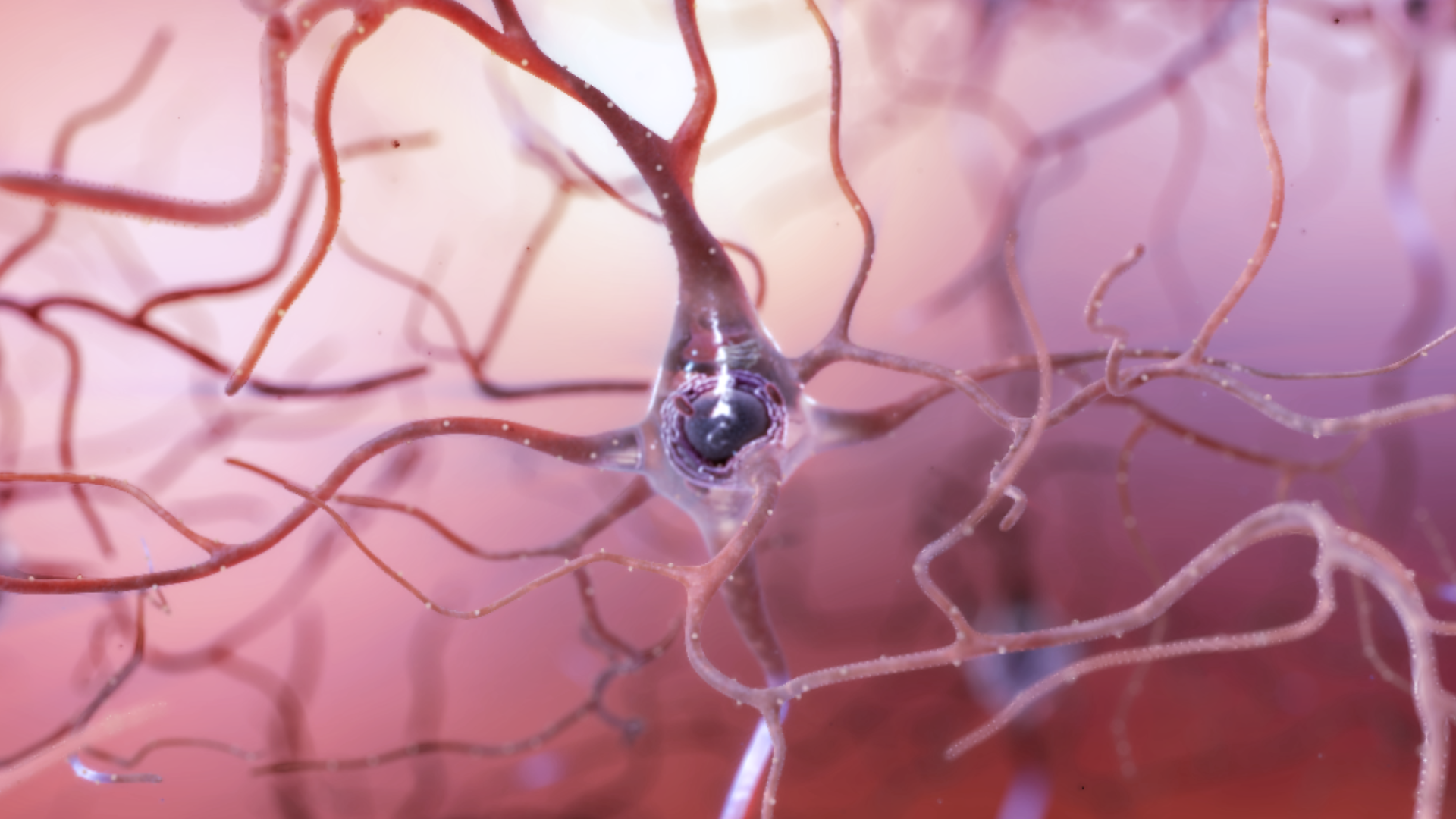
Neurons Get the Beat and Keep It Going in Drumrolls
Why Is Winter the Best Time to See Stars?
The Next Frontier in Mechanical Engineering