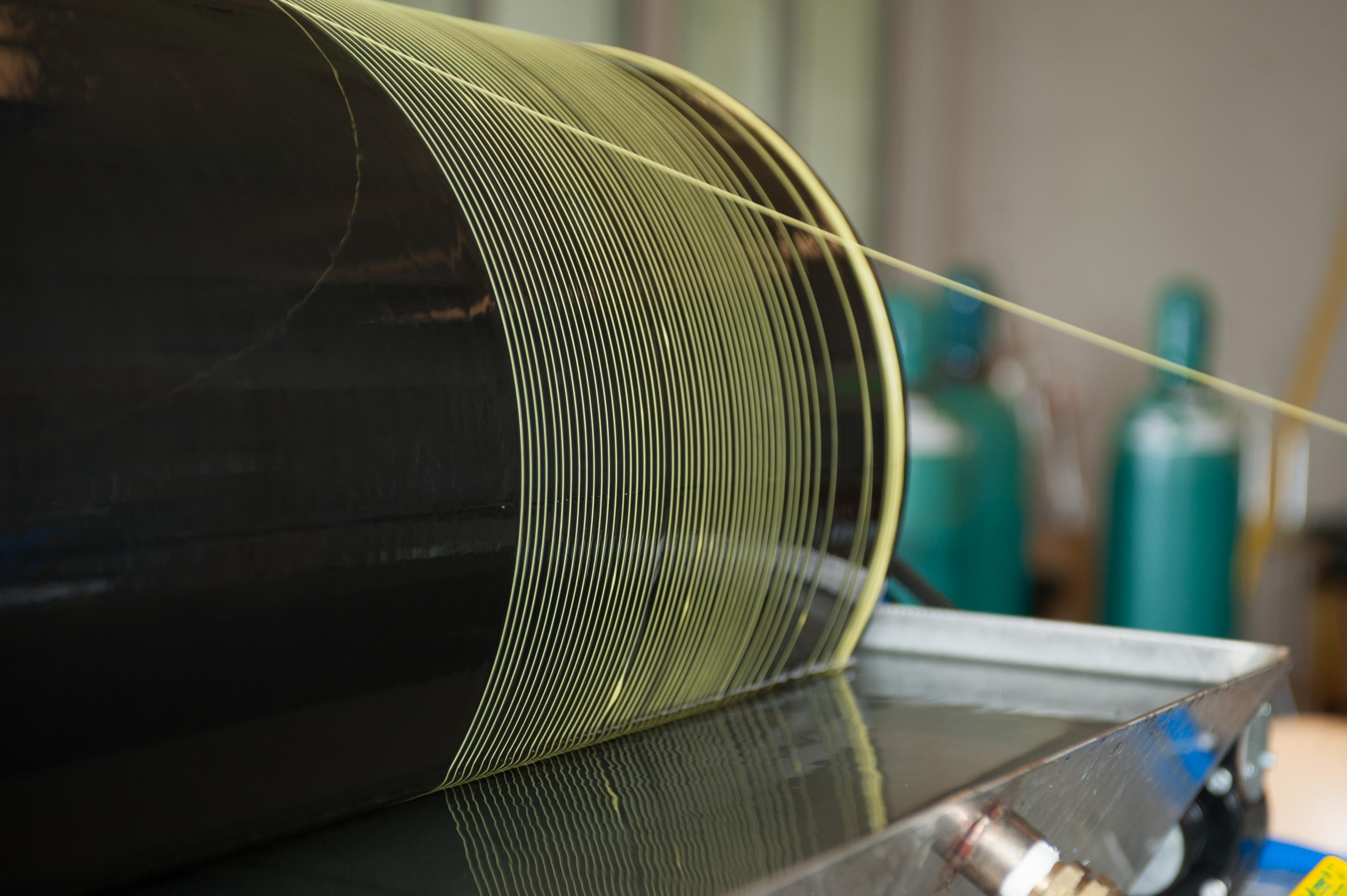
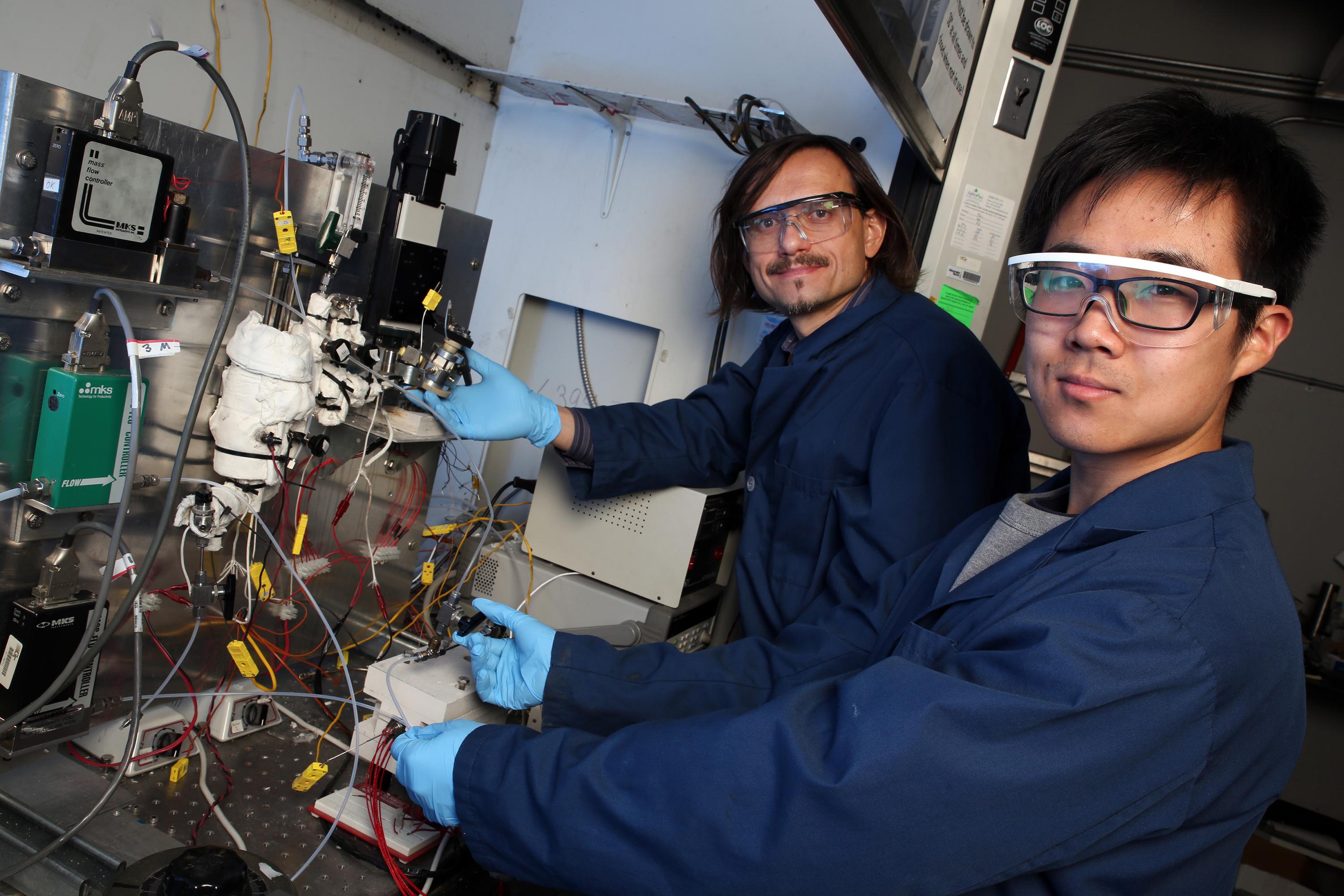
Simple Processing Technique Could Cut Cost of Organic PV and Wearable Electronics
Climate Change: Potentially Good News on Methane and Peat Carbon
Advanced Materials Power Next-Generation Molecular Separations
Size Matters for Marine Protected Areas Designed to Aid Coral
Four-Stroke Engine Cycle Produces Hydrogen from Methane and Captures CO2
Hair Spacing Keeps Honeybees Clean During Pollination
Water, Water Everywhere
Horsley Applies SPP Background Towards Water Works Founding
Wildfires Pollute Much More Than Previously Thought
It's Gonna Be a Bright, Sunshiny Day