Scientists have long used eclipses to learn more about the sun and the Earth.
Faculty members provide their thoughts on witnessing the solar eclipse.
A potentially deadly parasite that can ulcerate skin, nose, mouth and organs could someday meet its match in an experimental vaccine that has now worked in lab tests on humanized mice.
The growing visibility of researchers interested in astrobiology is helping Georgia Tech emerge as a powerhouse in the field.
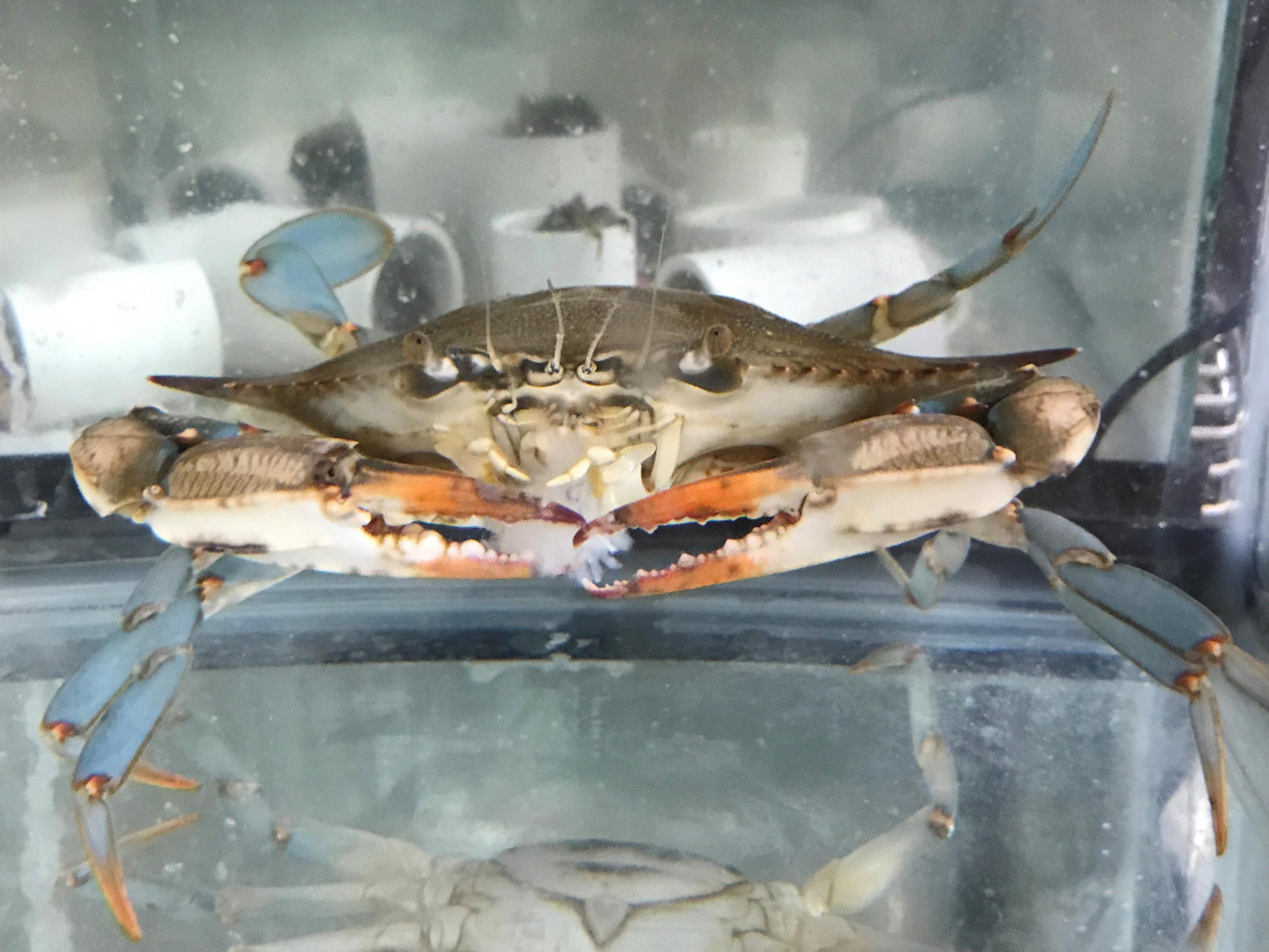
Pinpointing two crab urine chemicals out of hundreds opens new doors of understanding of how marine chemical messaging works.
Georgia Tech leads a multi-agency initiative to help local governments adopt cutting-edge smart technologies.
The Kendeda Building is already receiving accolades before construction is completed.
Researchers will send Icefin under the ice of a remote glacier in West Antarctica.
A new tool can help first-responders use Twitter activity to identify developing crises after a storm.
Researchers at Georgia Institute of Technology have created a material derived from crab shells and tree fibers that has the potential to replace the flexible plastic packaging used to keep food fresh.