Georgia Tech's Office of Technology Licensing has recently announced a memorandum of understanding (MOU) with the U.S. Intellectual Property Alliance (USIPA).
Zhigang Peng and graduate students Phuc Mach and Chang Ding are using small seismic sensors to better understand just how, why, and when certain earthquakes are occurring.
For two days in September, Georgia Tech will bring together experts and thought leaders across multiple fields and disciplines to explore the theme of creating and using AI responsibly.
Mariel Borowitz and Jon Lindsay of the Sam Nunn School of International Affairs will help lead a series of public wargaming exercises to test the limits of U.S. deterrence strategies in space.
Georgia Tech researchers have created a wearable device to accurately measure obstructive sleep apnea — when the body repeatedly stops and restarts breathing for a period — as well as the quality of sleep people get when they are at rest.
Researchers at the Georgia Institute of Technology and Yale University are proposing a novel pathway through which coastal ecosystem restoration can permanently capture carbon dioxide from the atmosphere.
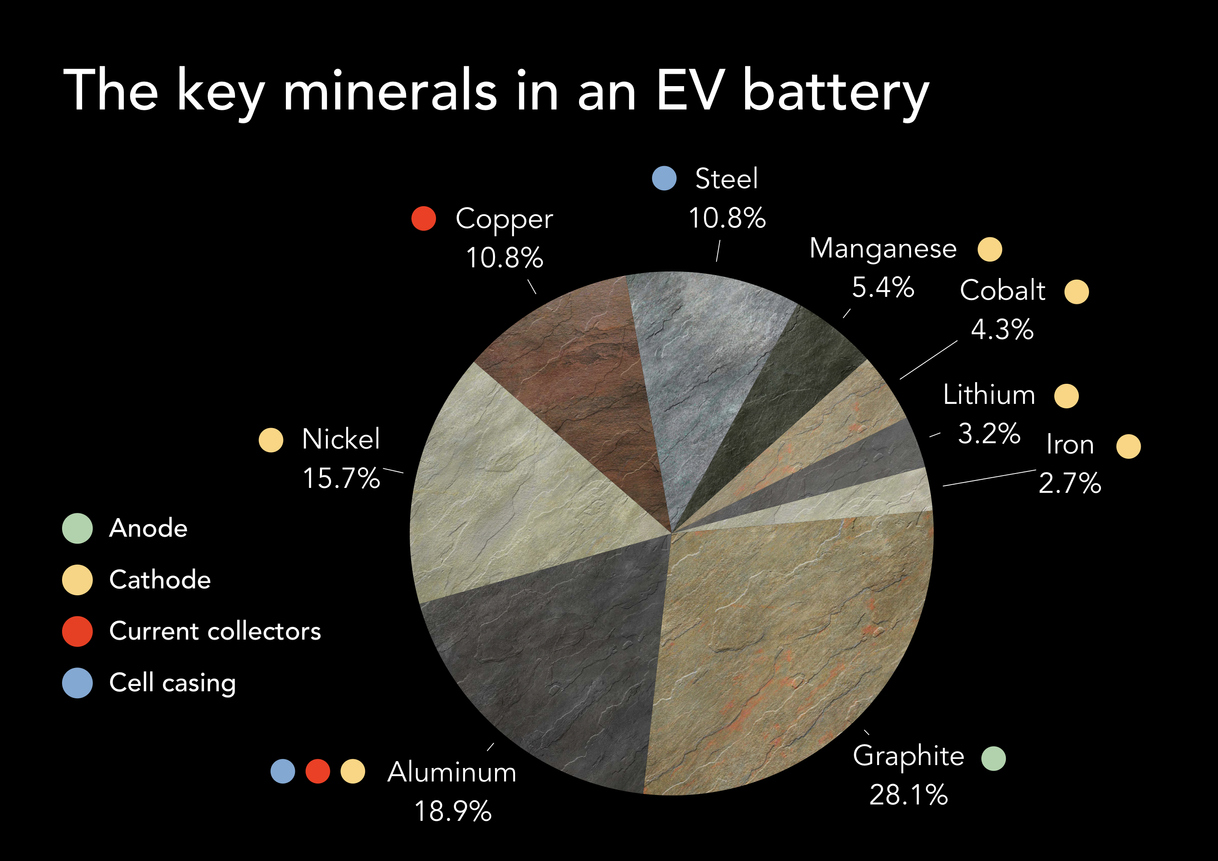
The Georgia Tech Research Institute (GTRI) is working to optimize Georgia’s EV battery supply chain by developing cost-and energy-efficient methods that pose fewer environmental risks.