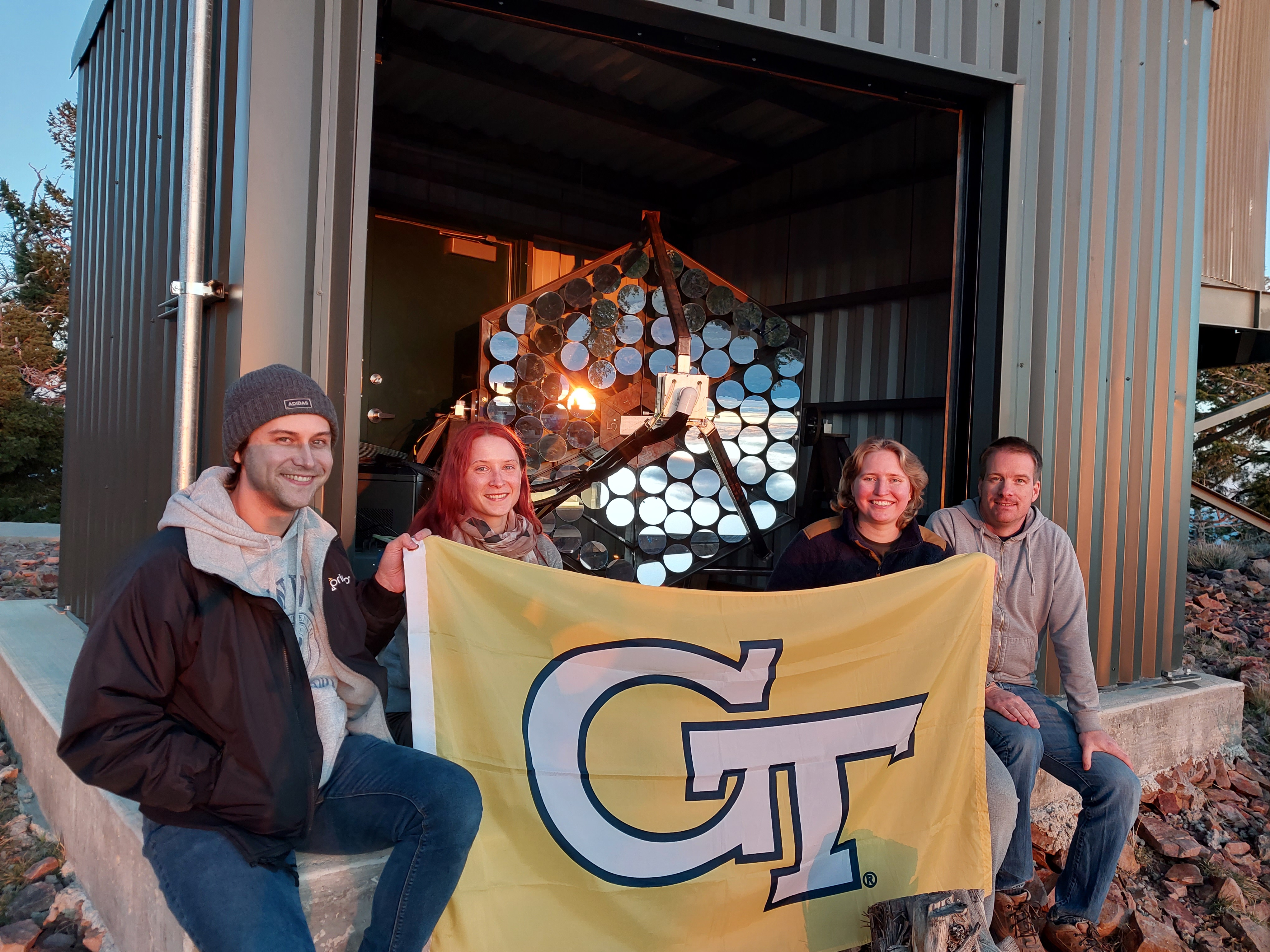
Physics Professor Nepomuk Otte and students have developed the Trinity Demonstrator to search for sources of high-energy neutrinos that contain clues to the early universe.
In research published by the Harvard Business Review, Maryam Alavi examined how generative AI can transform knowledge work and how workers can begin using generative AI tools wisely.
The research, which was published in Nature Astronomy last month, has the potential to impact our understanding of how water, a critical resource for life and sustained future human missions to the Moon, formed and continues to evolve.
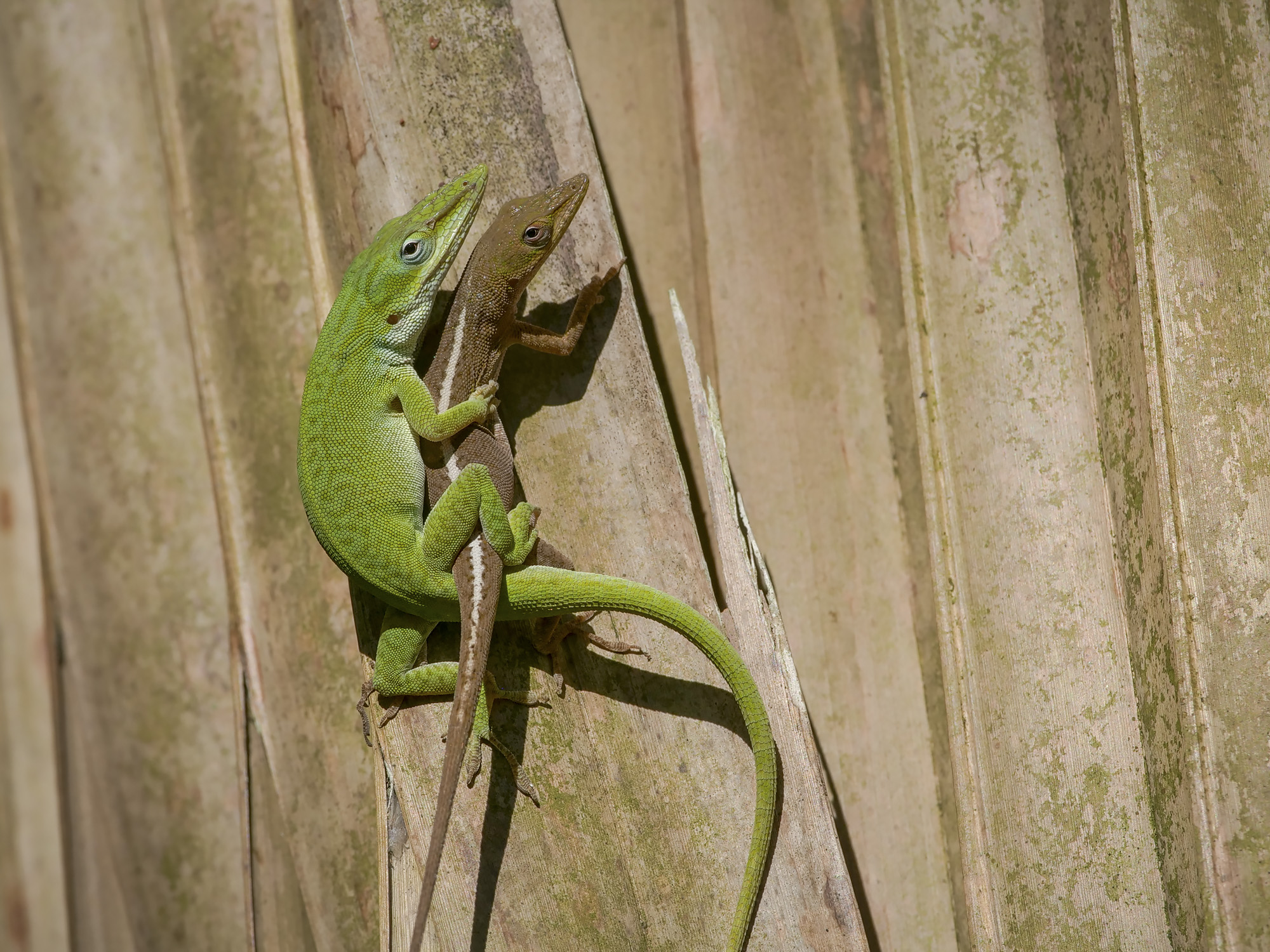
By lassoing lizards, putting tiny chips on their legs, and tracking them for three years, Georgia Tech’s James Stroud revealed why species often appear unchanged for millions of years despite Charles Darwin’s theory of constant evolution.
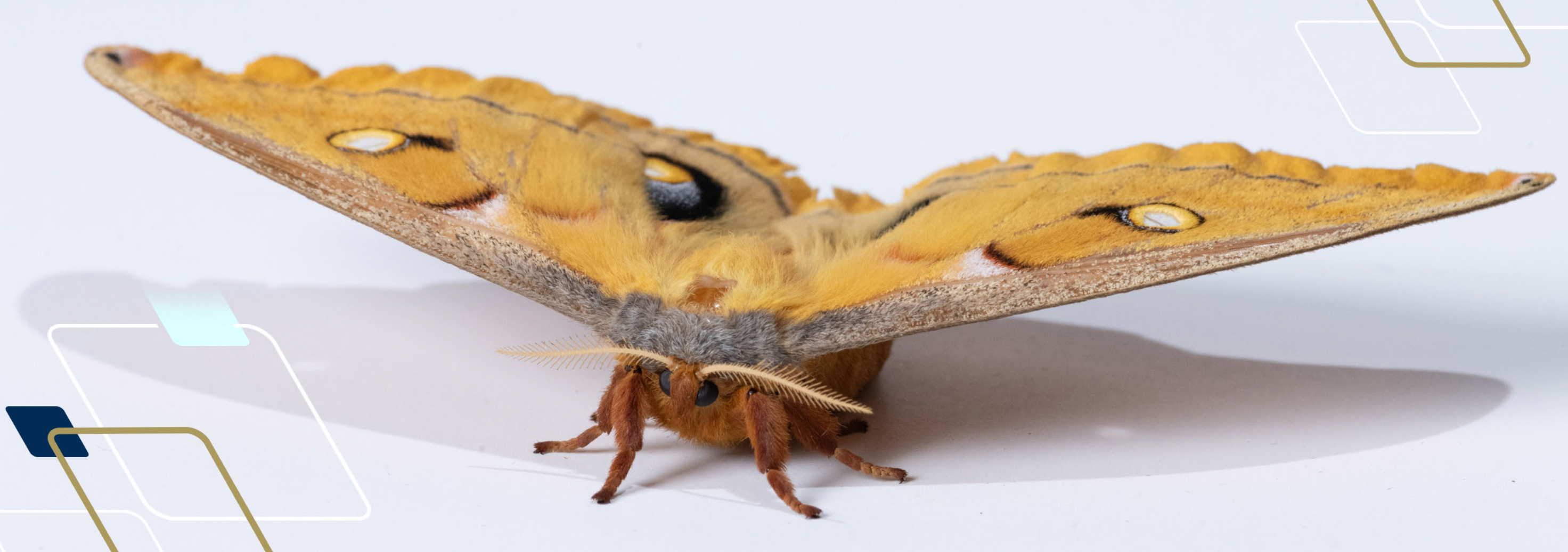
Many insects fly synchronously, matching the nervous system pulses to wing movement. But smaller insects don’t have the mechanics for this and must flap their wings harder, which works only up to a certain point. That’s where asynchronous flight comes in.
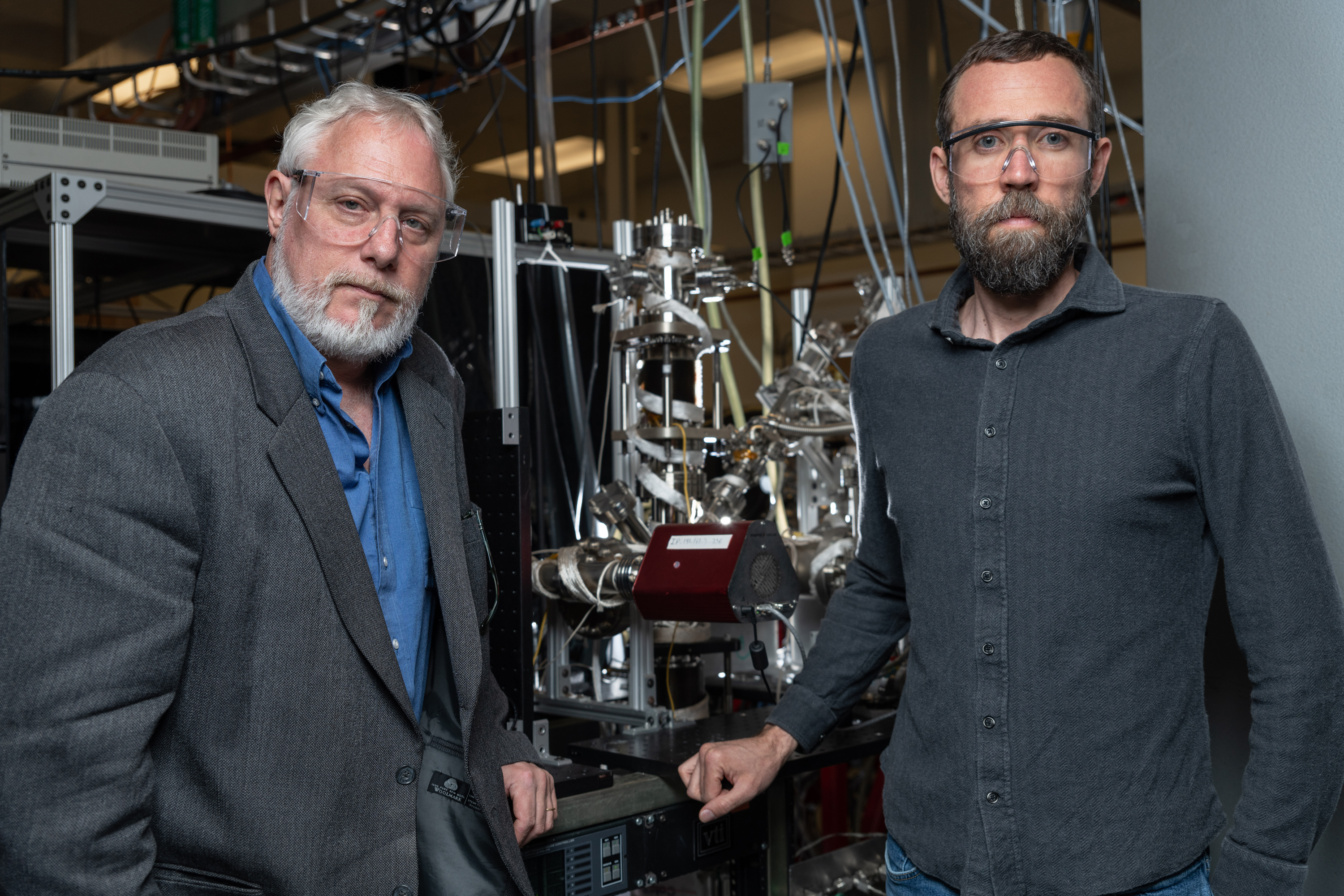
Physicists have developed a new model and clearer picture of molecular movements within active matter — bringing science a step closer to designing specific functions into new materials, and understanding emergent behaviors.
Cybersecurity master’s student Sneha Talwalkar and GTRI Principal Research Scientist Courtney Crooks are working to build the framework of an AI tool with the goal of providing support and protection to domestic abuse survivors.
This fall, the Institute will launch a foundational, interdisciplinary program to lead in research related to neuroscience, neurotechnology, and society.
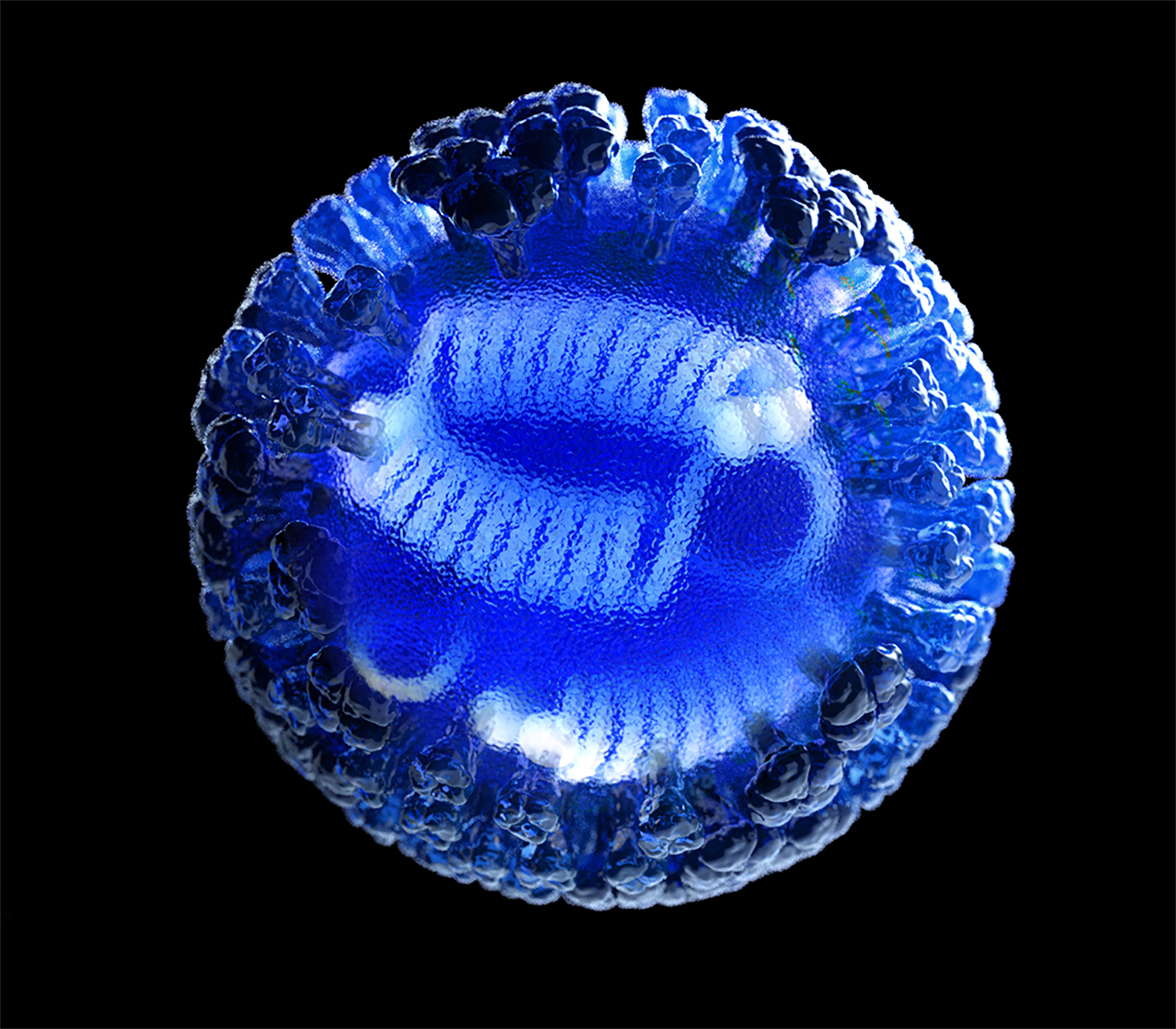
A newly funded research project might one day lead to the development of a pill or capsule able to boost the effectiveness of traditional vaccines against influenza