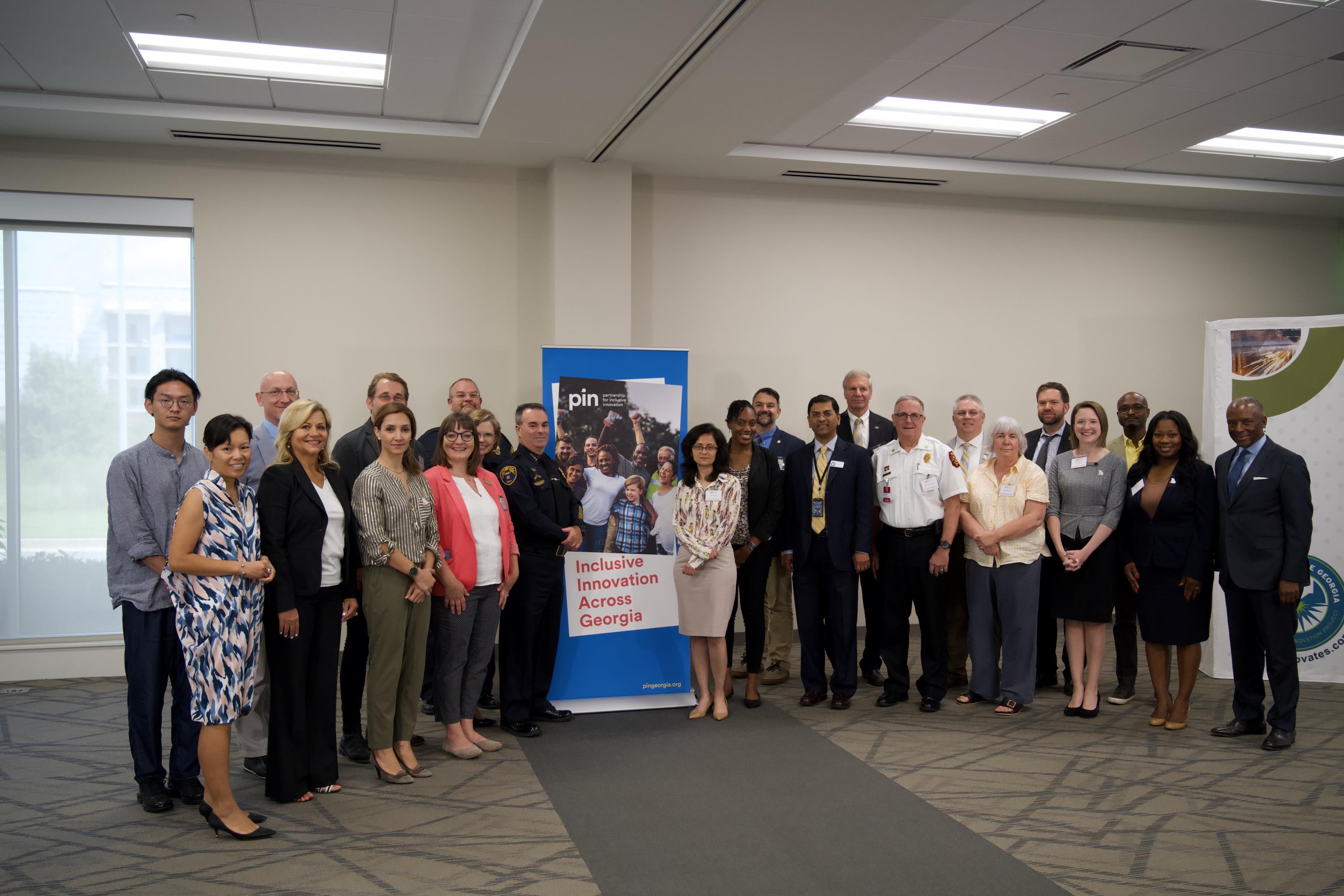
Four Georgia communities receive support for projects that leverage applied research, technology, and data to advance innovation in smart resilience
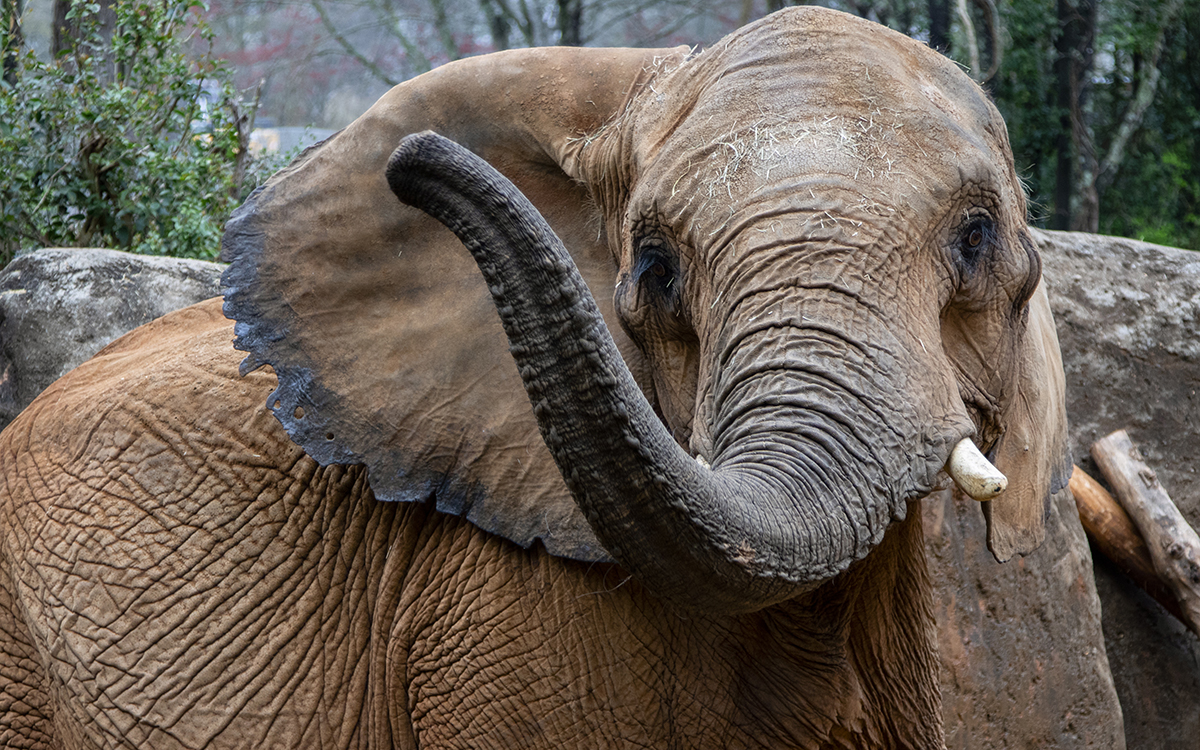
Skin plays an important role in allowing an elephant to stretch its trunk to grab food and other items.
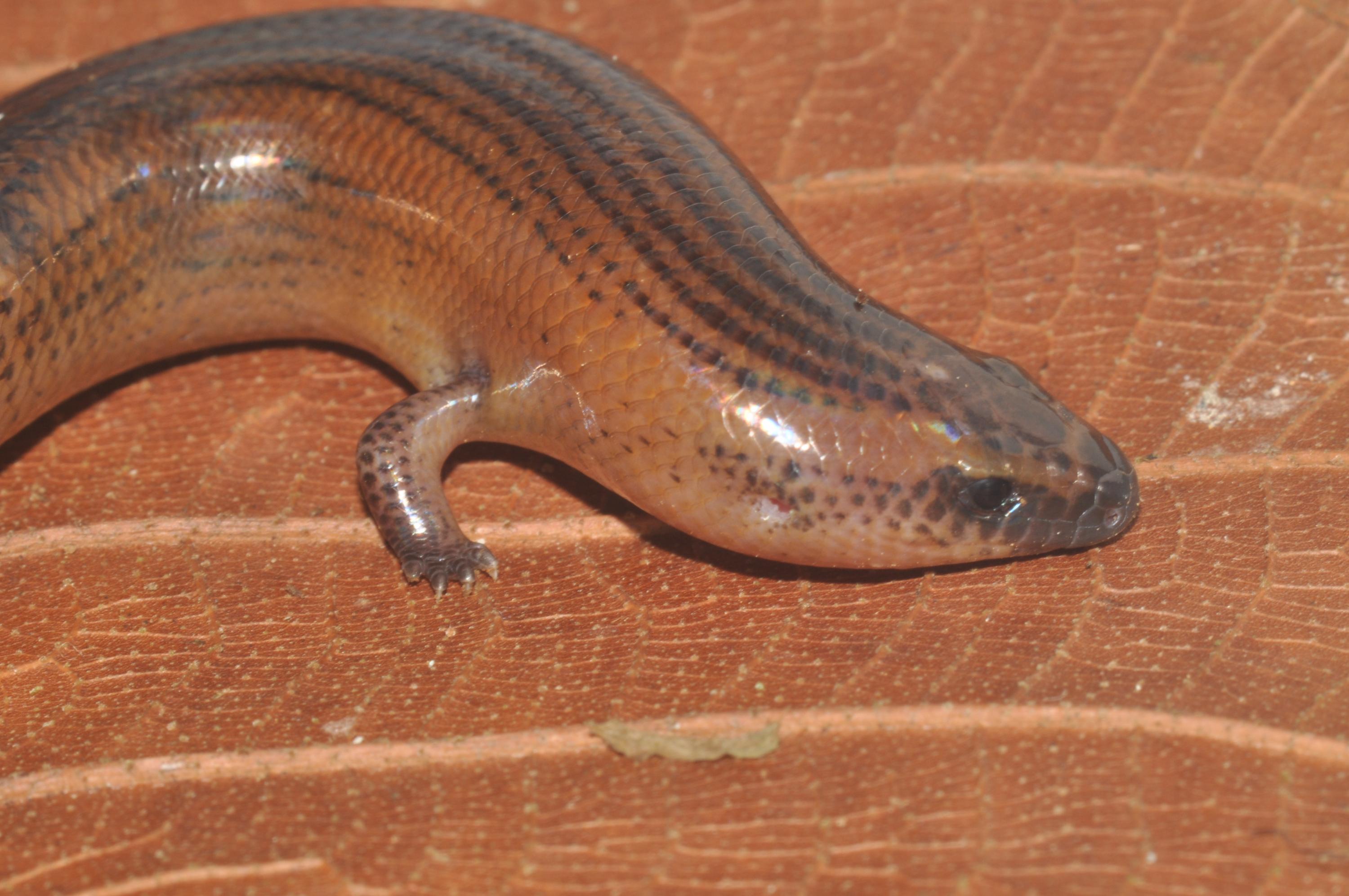
Using biological experiments, robot models, and a geometric theory of locomotion, researchers investigate how and why intermediate lizard species, with their elongated bodies and short limbs, might use their bodies to move.
Using biological experiments, robot models, and a geometric theory of locomotion, researchers at the Georgia Institute of Technology investigated how and why intermediate lizard species, with their elongated bodies and short limbs, might use their bodies

VentureLab director is one of nine from Georgia Tech to earn distinction.
The rising sea levels along Georgia’s Savannah coast and an uptick in more severe storms during hurricane season are bellwethers to looming ecological challenges stemming from climate change.
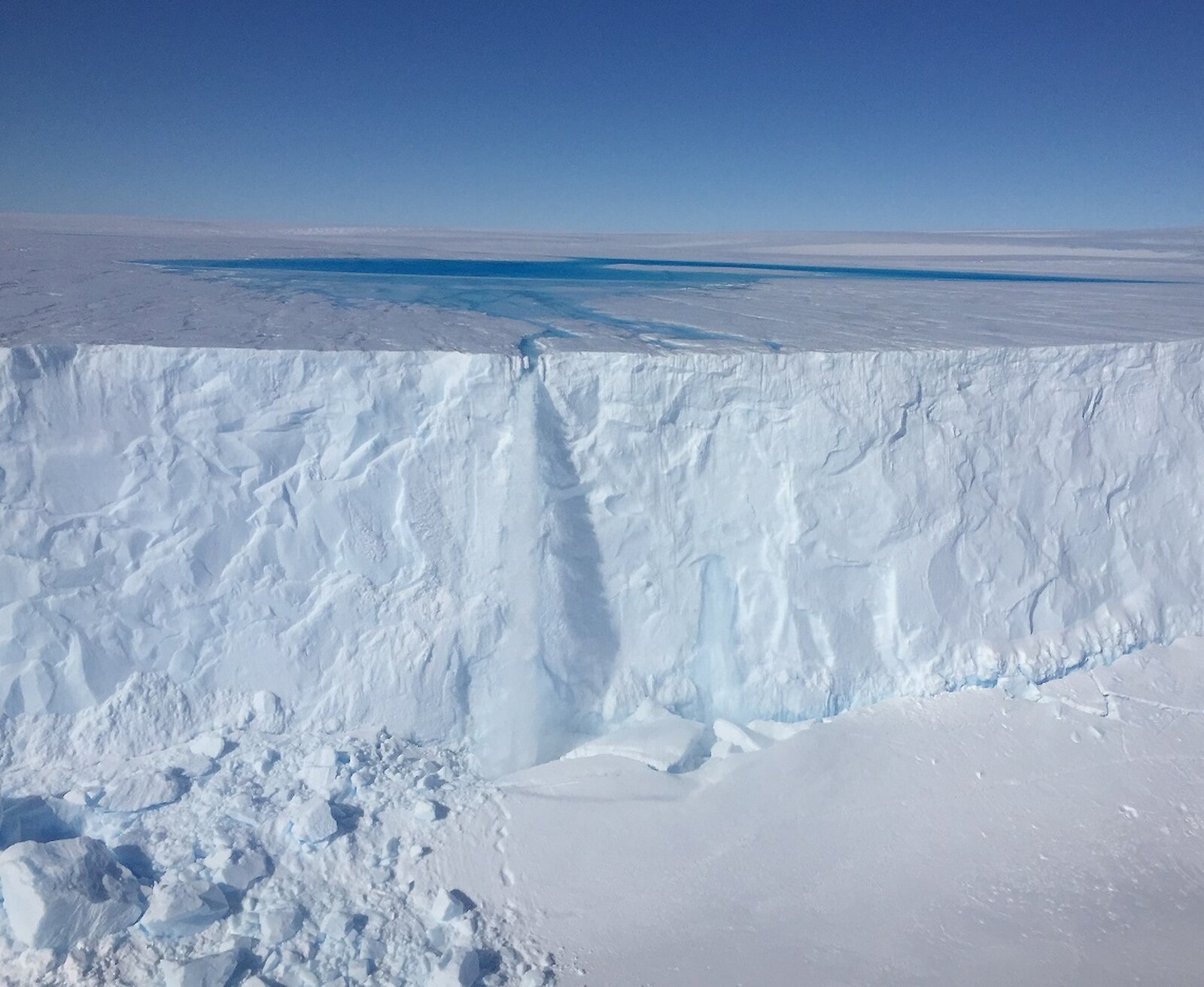
Antarctic supraglacial lakes have been linked to ice-shelf collapse and acceleration of inland ice flow. A new study shows lake area and volume vary substantially from year-to-year around the East Antarctic Ice Sheet and between ice shelves.
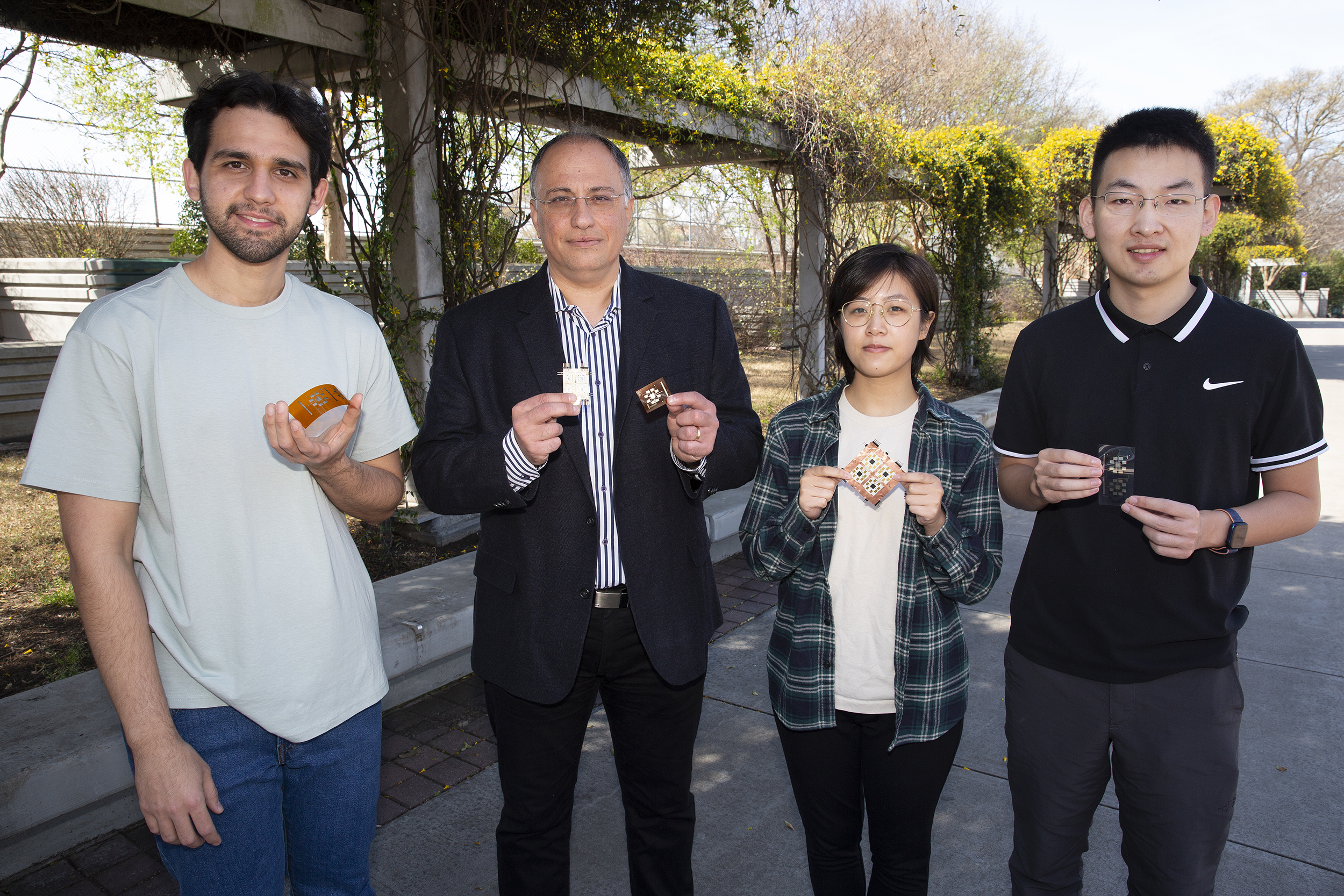
Manos Tentzeris and his team of Georgia Tech researchers flex their novel 5G+‐enabled massively scalable tile arrays
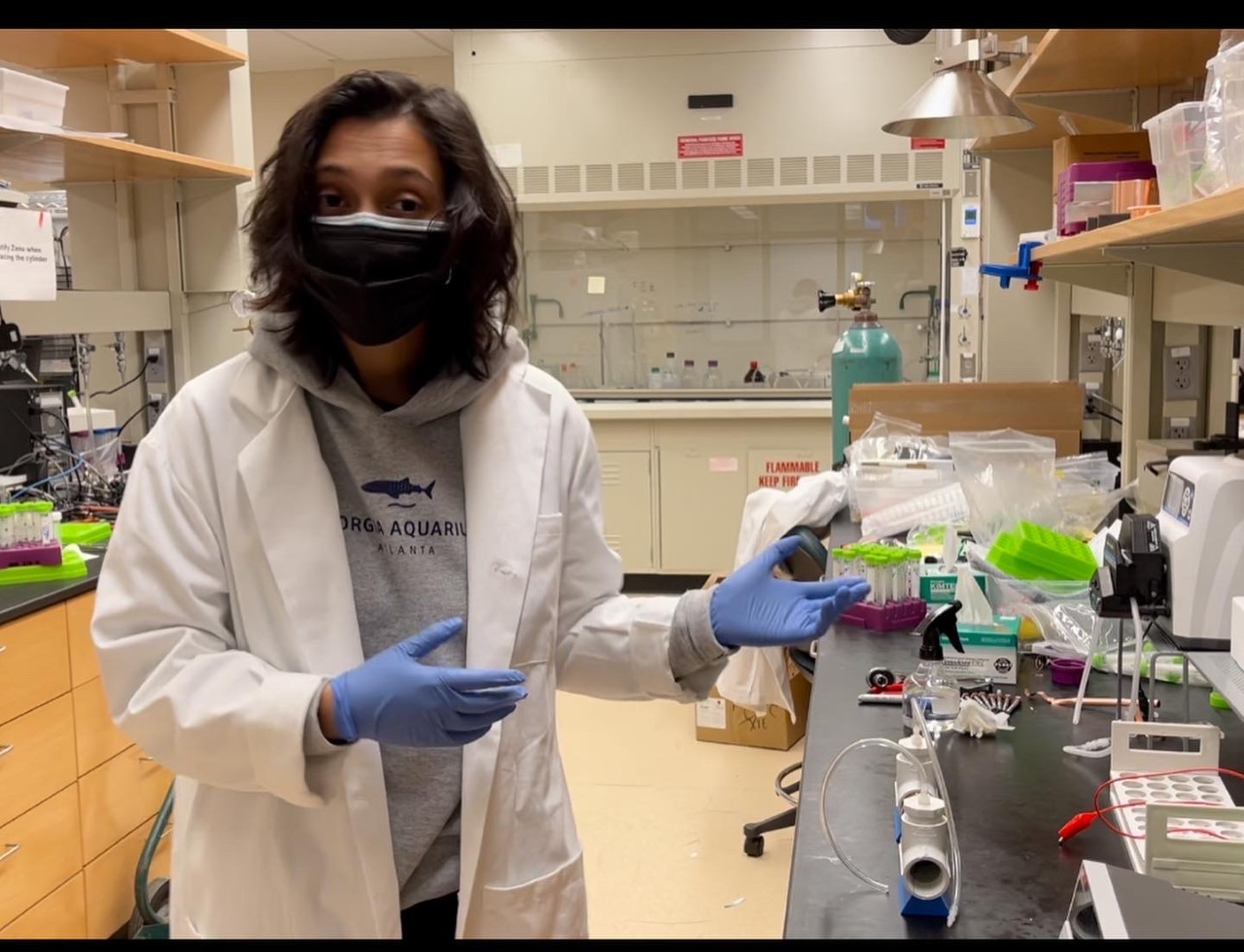
Winning technology is disinfection system that addresses access challenges to clean drinking water
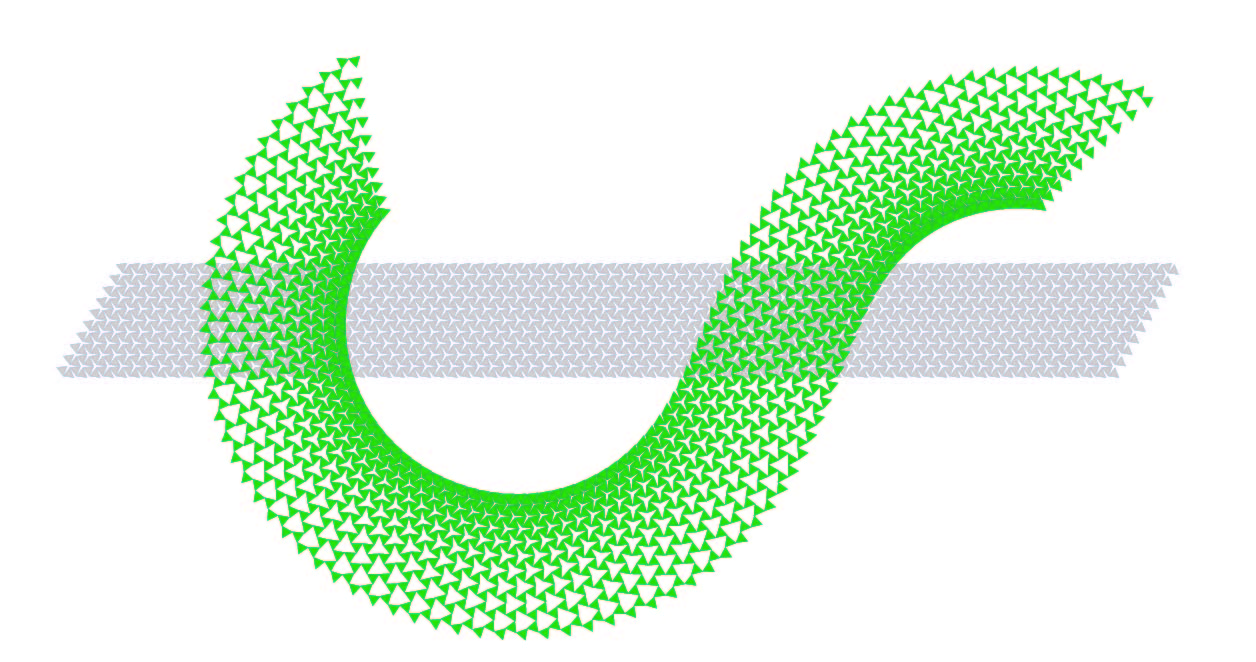
Researchers demonstrate that new physical theories provide precise predictions of the deformations of certain structures, revealing that a flexible mechanical structure is governed by some of the same math as electromagnetic waves and even black holes.