
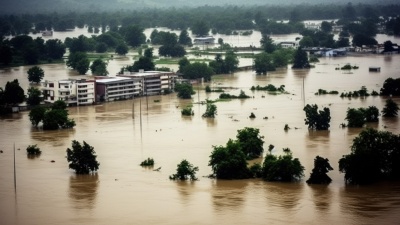
Rare NASA Satellite Data Reveals Major Limits in Flood Models
Using unprecedented observations of Ukraine’s 2023 Kakhovka Dam collapse, Georgia Tech researchers found that widely used flood models underestimated both water levels and flood timing.
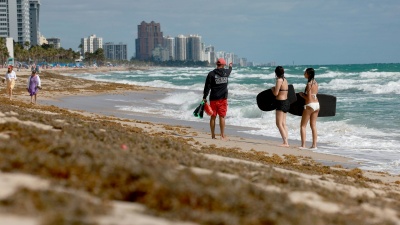
Sargassum, the Smelly Nemesis of Beach Vacations, Has Become a Self‑Sustaining Disaster That Will Keep Coming Back
Research suggests that vast mats of smelly seaweed may have entered a self-sustaining cycle, effectively feeding their own expansion. It’s creating a chronic disaster for the affected coasts, with little sign of ending.

Georgia Tech Lightning Mapping Array Helps Protect World Cup Visitors
A Georgia Tech lightning mapping array is helping authorities protect World Cup visitors from severe weather.
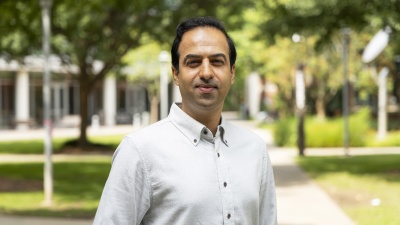
How AI-Powered Flood Forecasts Could Transform Hurricane Resilience
Assistant Professor Ali Sarhadi is using AI and digital twins to predict how and where major storms will cause the most damage.
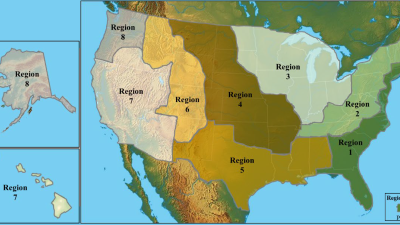
Mining New Possibilities for Critical Minerals: Mapping a Stronger U.S. Supply Chain
A new Department of Energy award will help Georgia Tech lead a regional effort to identify, recover, and reuse materials essential to energy, manufacturing, and national security.

Turning Pulp Mills Into Next-Generation Biorefineries
Georgia Tech infuses innovation into the forest products industry, converting waste streams into high-value products, from high-performance automotive lubricants to batteries.
Georgia Tech Scientists Create Moon Rock in the Lab
This moon rock could help scientists interpret lunar data and explore how water may form on the moon.
Could Aliens Ever Visit Earth? An Aerospace Scientist Unpacks the Challenges of Interstellar Spaceflight
To assess the plausibility of alien visitors, it’s necessary to understand the obstacles that an extraterrestrial vessel would need to overcome to reach Earth.

Why Georgia’s Severe Weather Season Has Been Unusually Quiet
A missing component of the severe weather formula led to quiet season in the Southeast.
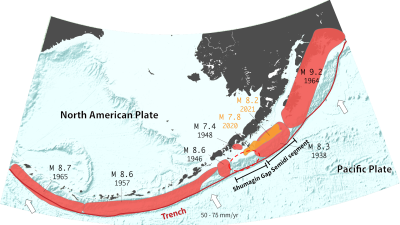
A Quiet Alaska Fault is Missing the Fluids Scientists Expected – and It’s Changing What We Know About Earthquake Zones
Scientists may need to rethink the assumption about subduction zones around the world.