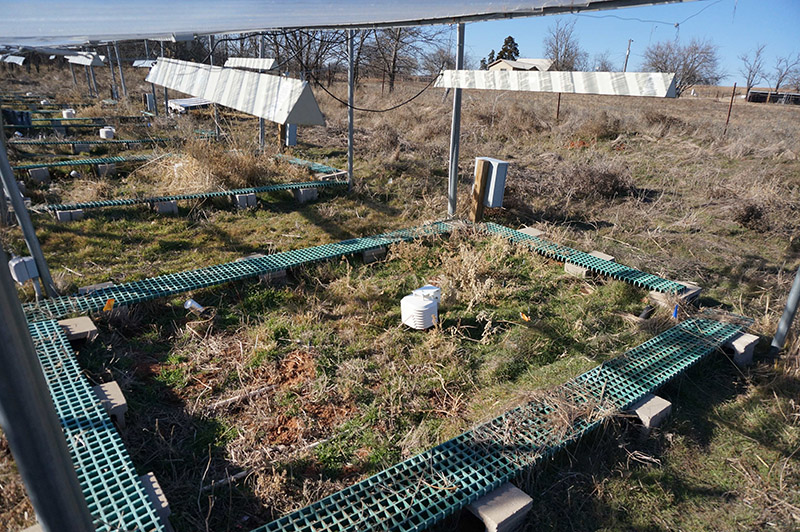
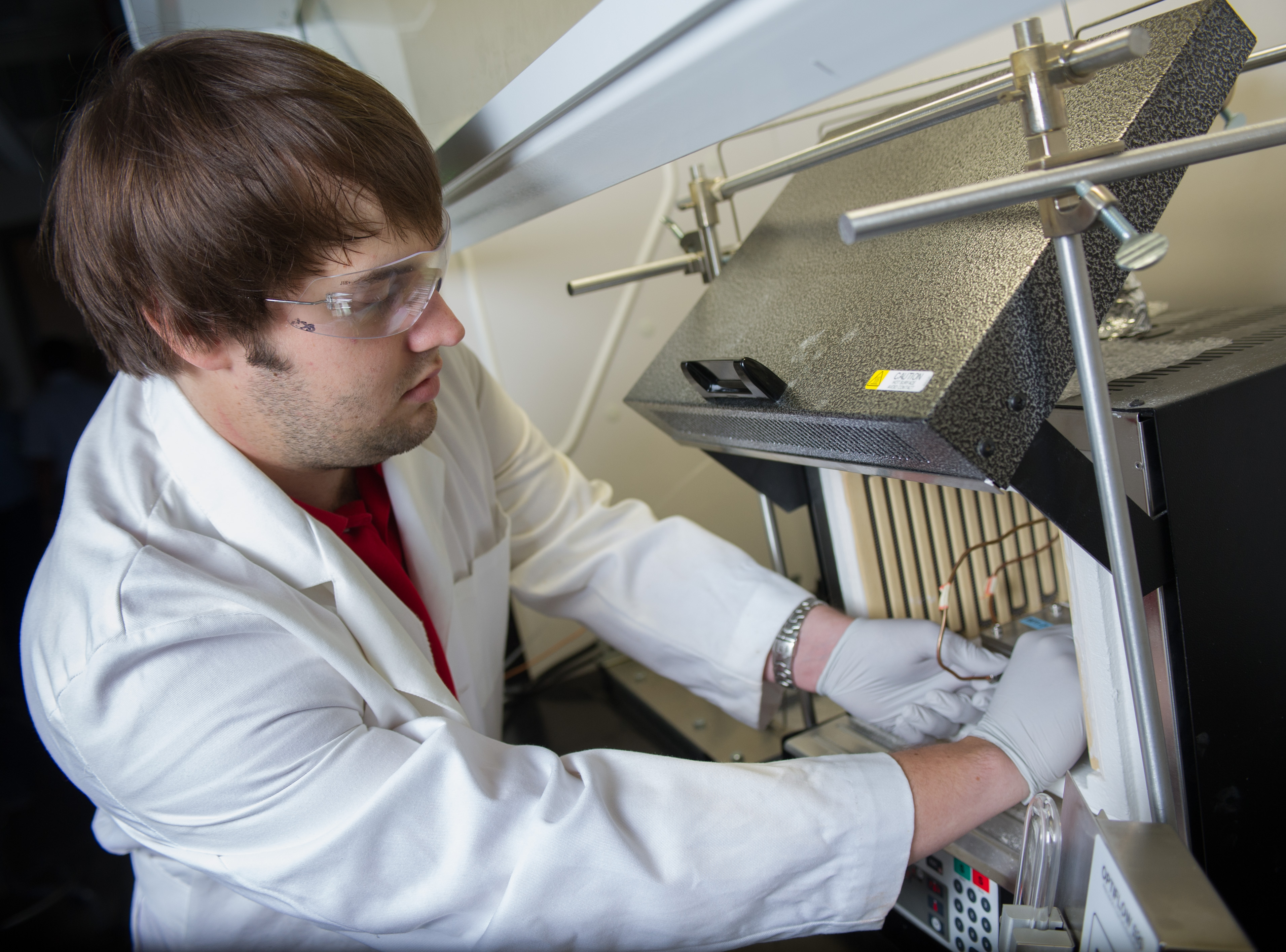
Scientists studying grasslands in Oklahoma have discovered that an increase of 2 degrees Celsius in the air temperature above the soil creates significant changes to the microbial ecosystem underground.
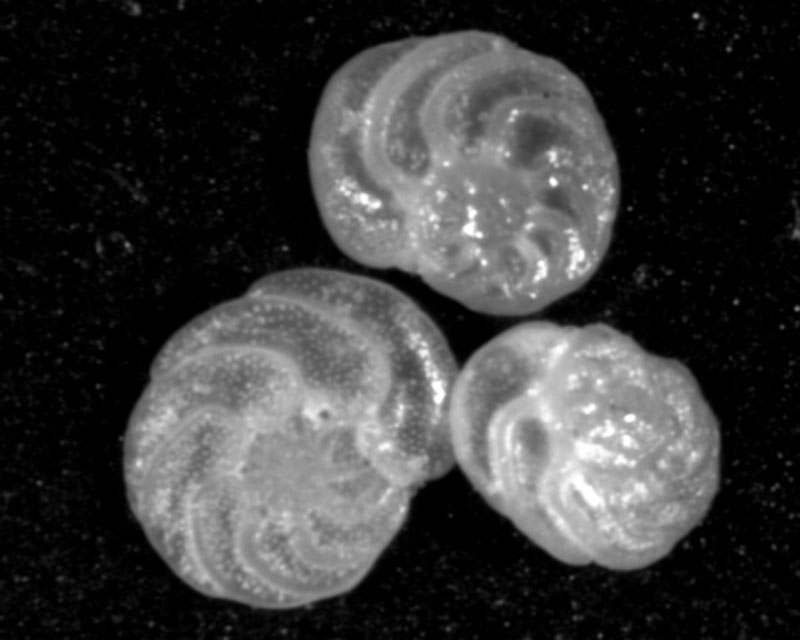
Scientists have thought that large iceberg surges disrupted a key ocean circulation pattern during the last North American ice age, but a new study found little evidence of a disruption during some of the major iceberg surges.
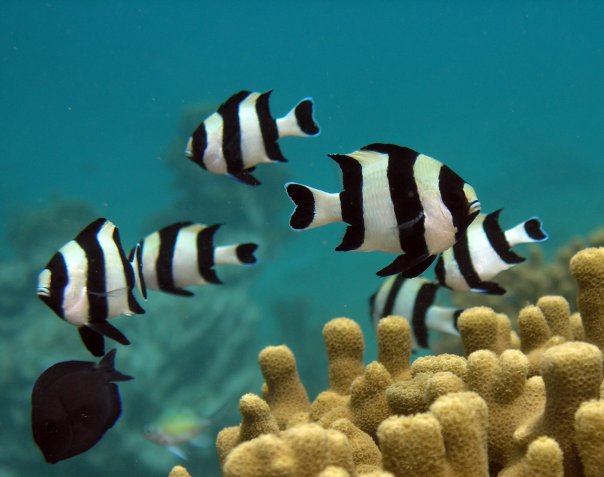
Fish living on coral reefs where carbon dioxide seeps from the ocean floor were less able to detect predator odor than fish from normal coral reefs, according to a new study.
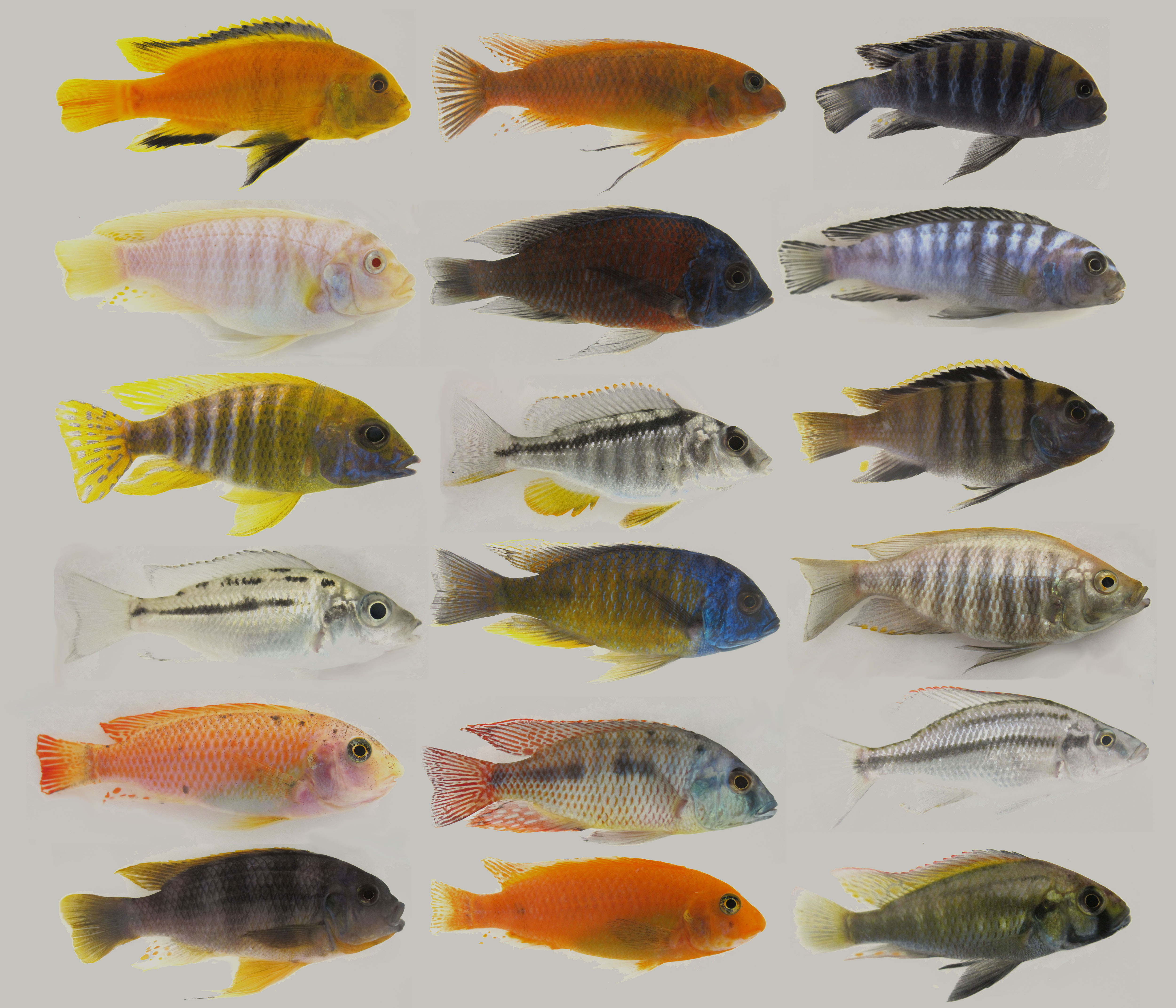
Researchers have sequenced the genomes and transcriptomes of five species of African cichlid fishes and uncovered a variety of features that enabled the fishes to thrive in new habitats and ecological niches within the Great Lakes of East Africa.