In response to changing climates, many plants and animals are moving to higher elevations, seeking cooler temperatures. But a new study finds that flying insects like bees and moths may struggle with insurmountable issues to this escape route.
The expanded undergraduate degree offerings are designed to continue Georgia Tech’s reputation for academic rigor — and also reflect trends in student interests, as well as current and forecasted needs in the job marketplace.
School of Earth and Atmospheric Sciences researchers find dangerous sulfates are formed, and their particles get bigger, within the plumes of pollution belching from coal-fired power plants.
Rachel Moore spent nearly 50 days in one of the most remote places on Earth, collecting ice cores; the research has implications for climate change predictions and searching for signs of life on icy worlds.
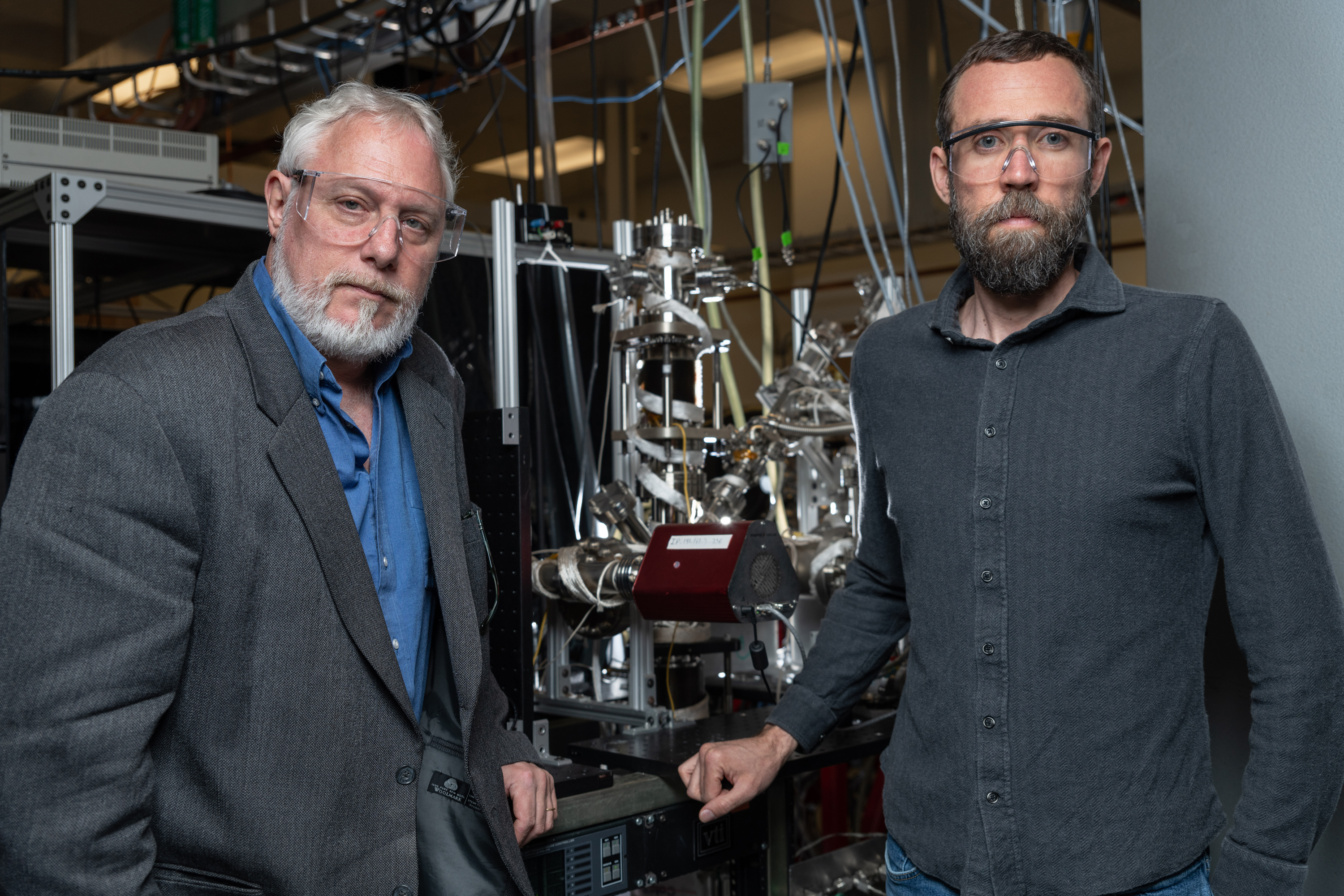
The research, which was published in Nature Astronomy last month, has the potential to impact our understanding of how water, a critical resource for life and sustained future human missions to the Moon, formed and continues to evolve.
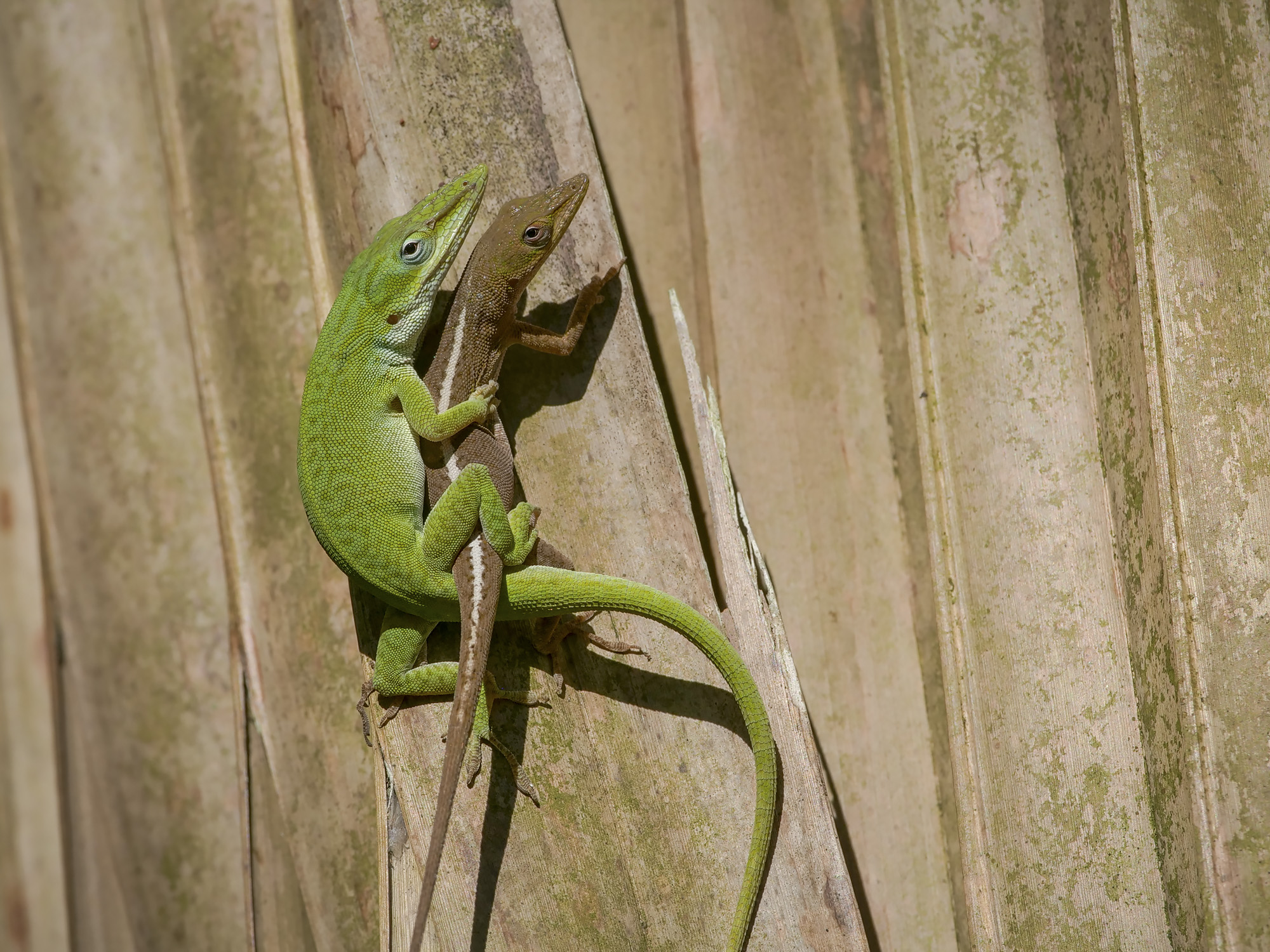
By lassoing lizards, putting tiny chips on their legs, and tracking them for three years, Georgia Tech’s James Stroud revealed why species often appear unchanged for millions of years despite Charles Darwin’s theory of constant evolution.
Many insects fly synchronously, matching the nervous system pulses to wing movement. But smaller insects don’t have the mechanics for this and must flap their wings harder, which works only up to a certain point. That’s where asynchronous flight comes in.
A newly funded research project might one day lead to the development of a pill or capsule able to boost the effectiveness of traditional vaccines against influenza