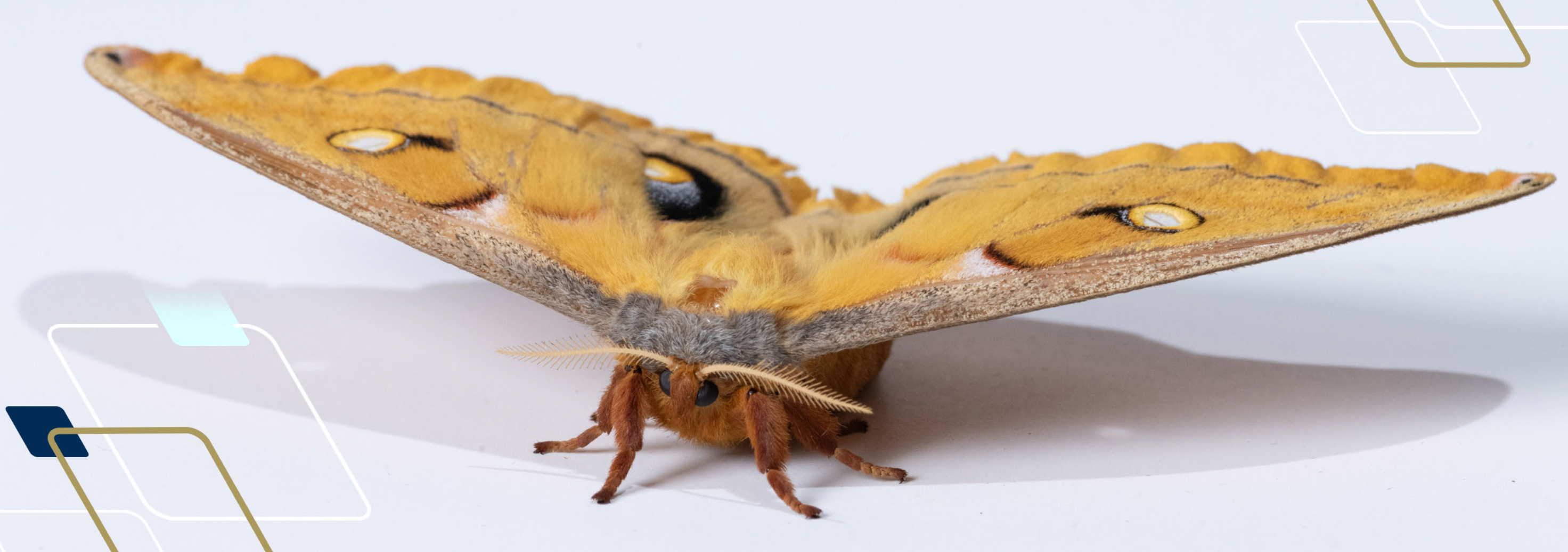
Many insects fly synchronously, matching the nervous system pulses to wing movement. But smaller insects don’t have the mechanics for this and must flap their wings harder, which works only up to a certain point. That’s where asynchronous flight comes in.
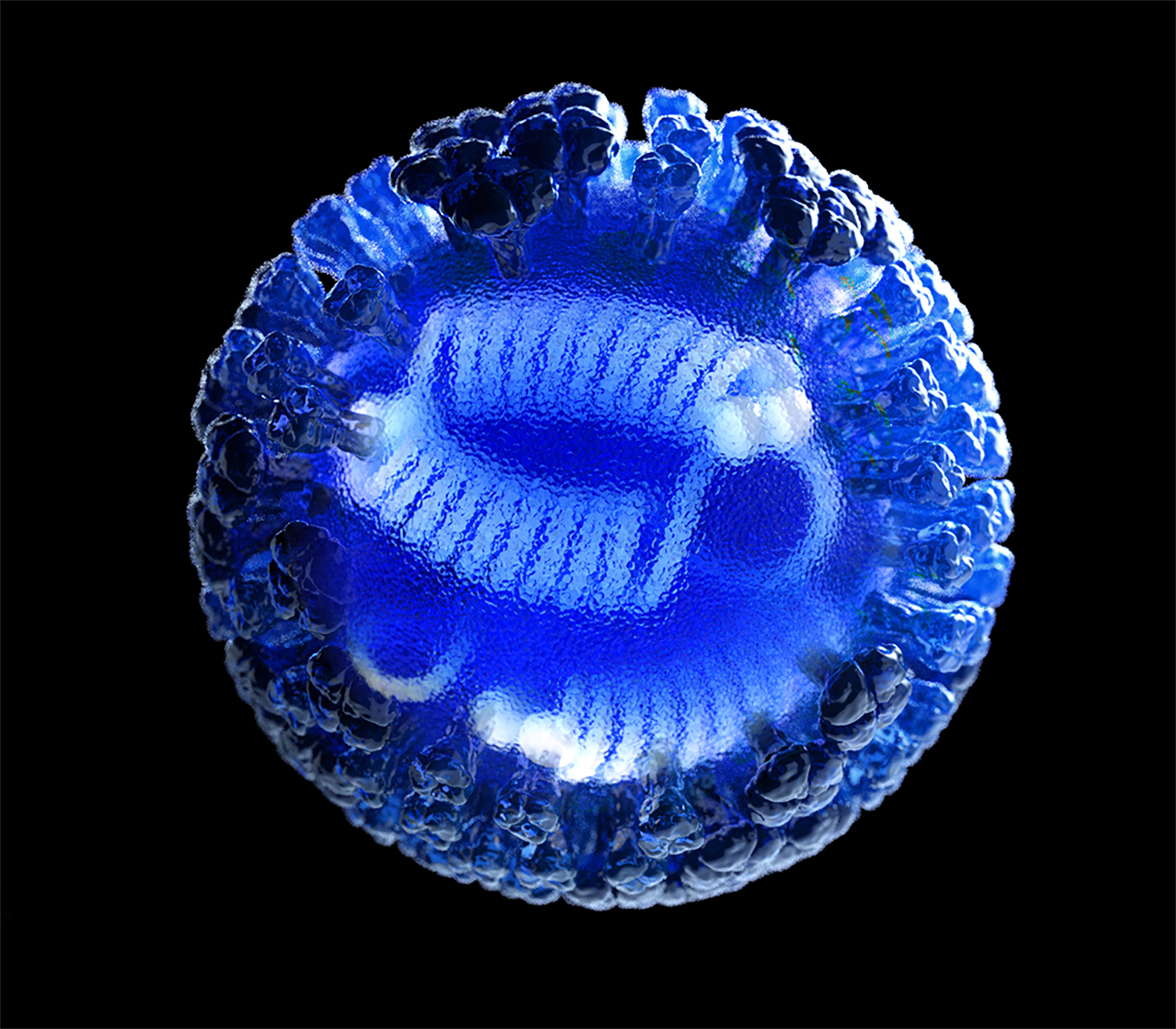
A newly funded research project might one day lead to the development of a pill or capsule able to boost the effectiveness of traditional vaccines against influenza
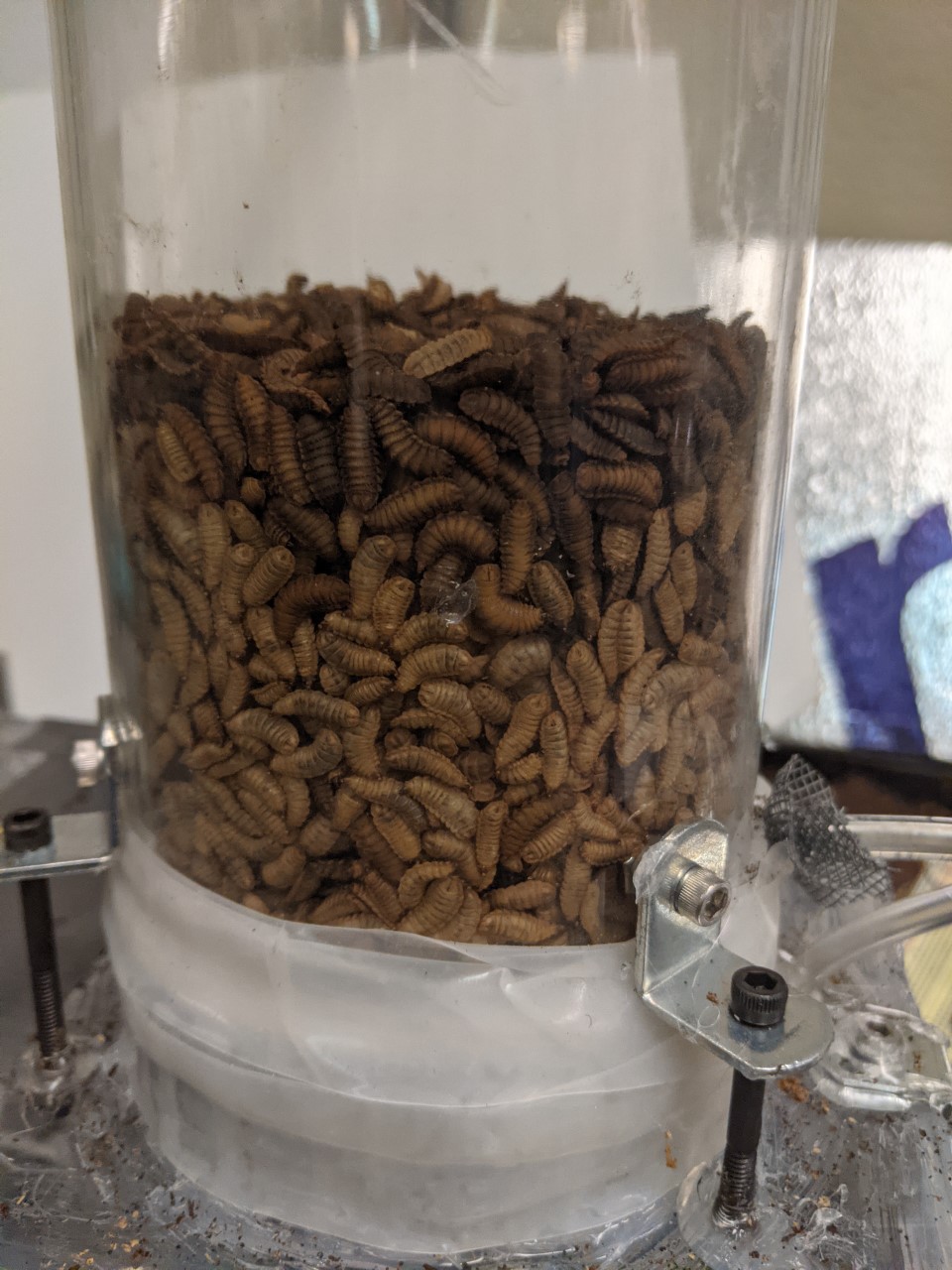
An international, collaborative team of researchers shed light on how fungi and plant roots work together to gather nutrients — and how the diversity of plant species may impact the process.
Kim M. Cobb, Hanjoong Jo, and Carlos A. R. Sa de Melo are among AAAS scientists, engineers, and innovators being recognized for scientifically and socially distinguished achievements.