Researchers at Georgia Institute of Technology are using machine learning to ultimately find ways to build more capable capacitors.
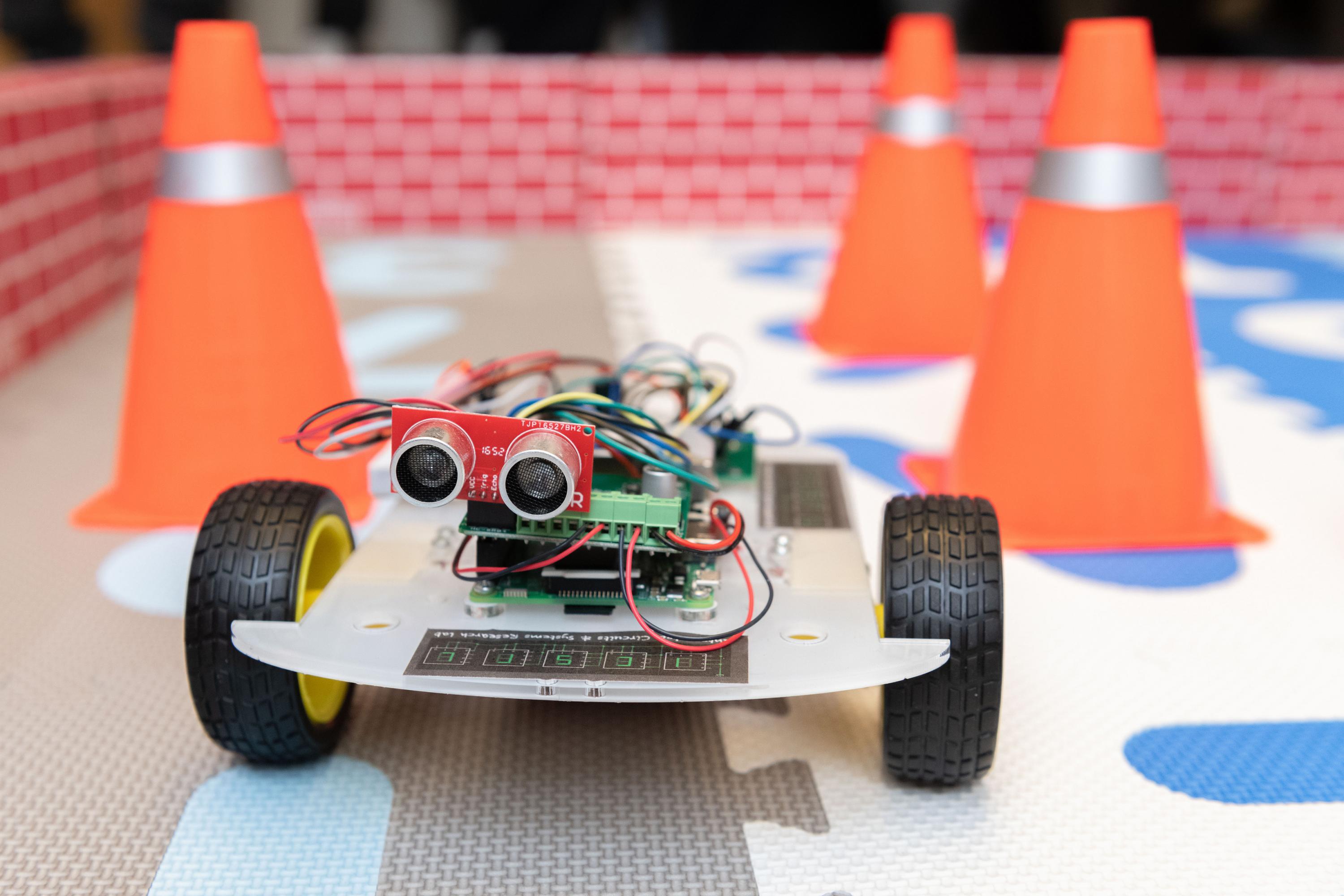
An ultra-low power hybrid chip inspired by the brain could help give palm-sized robots the ability to collaborate and learn from their experiences.
The idea for a gaming app came from an unlikely place – the American Dental Association’s national admissions test.
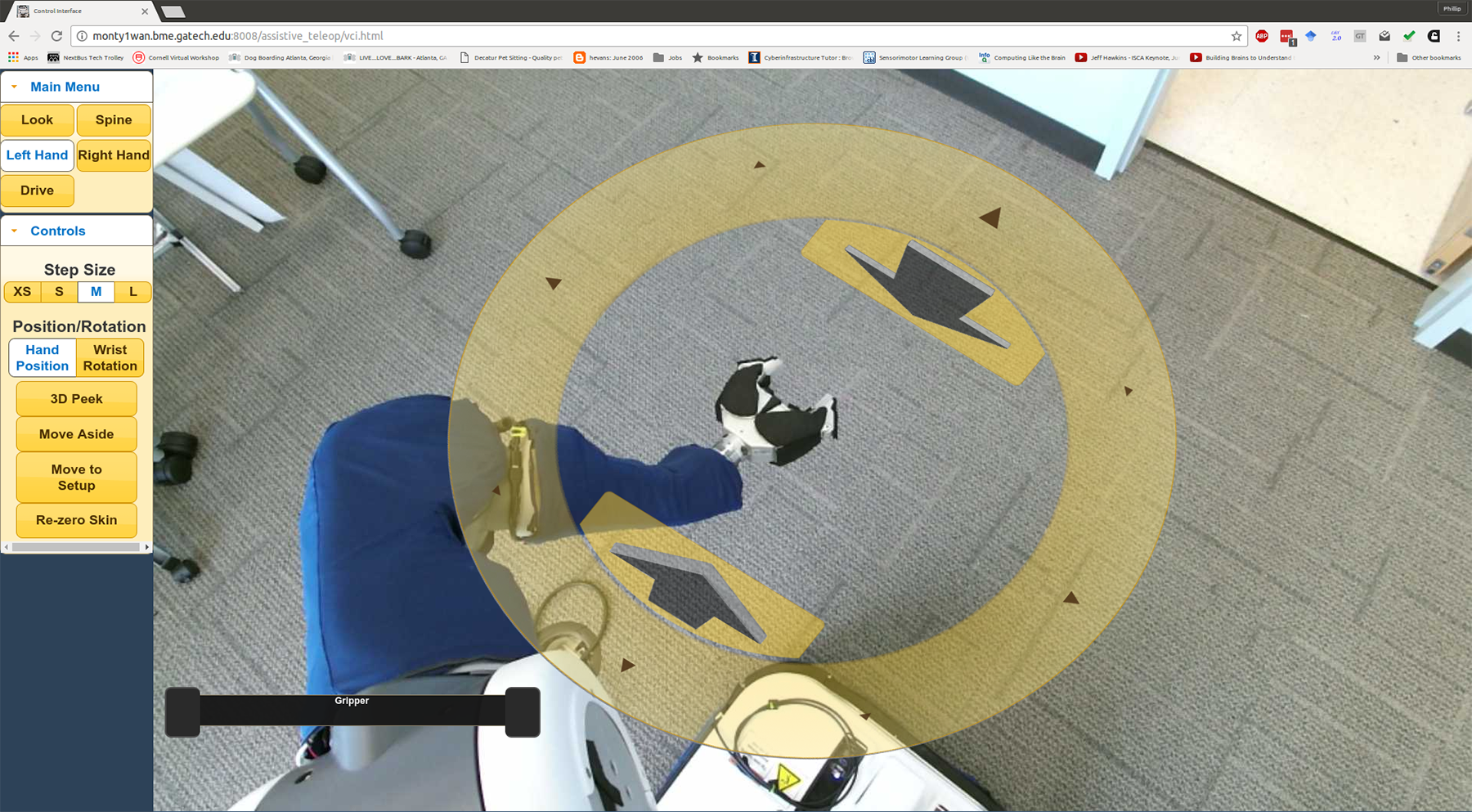
An interface system that uses augmented reality technology could help individuals with profound motor impairments operate a humanoid robot to feed themselves and perform routine personal care tasks.
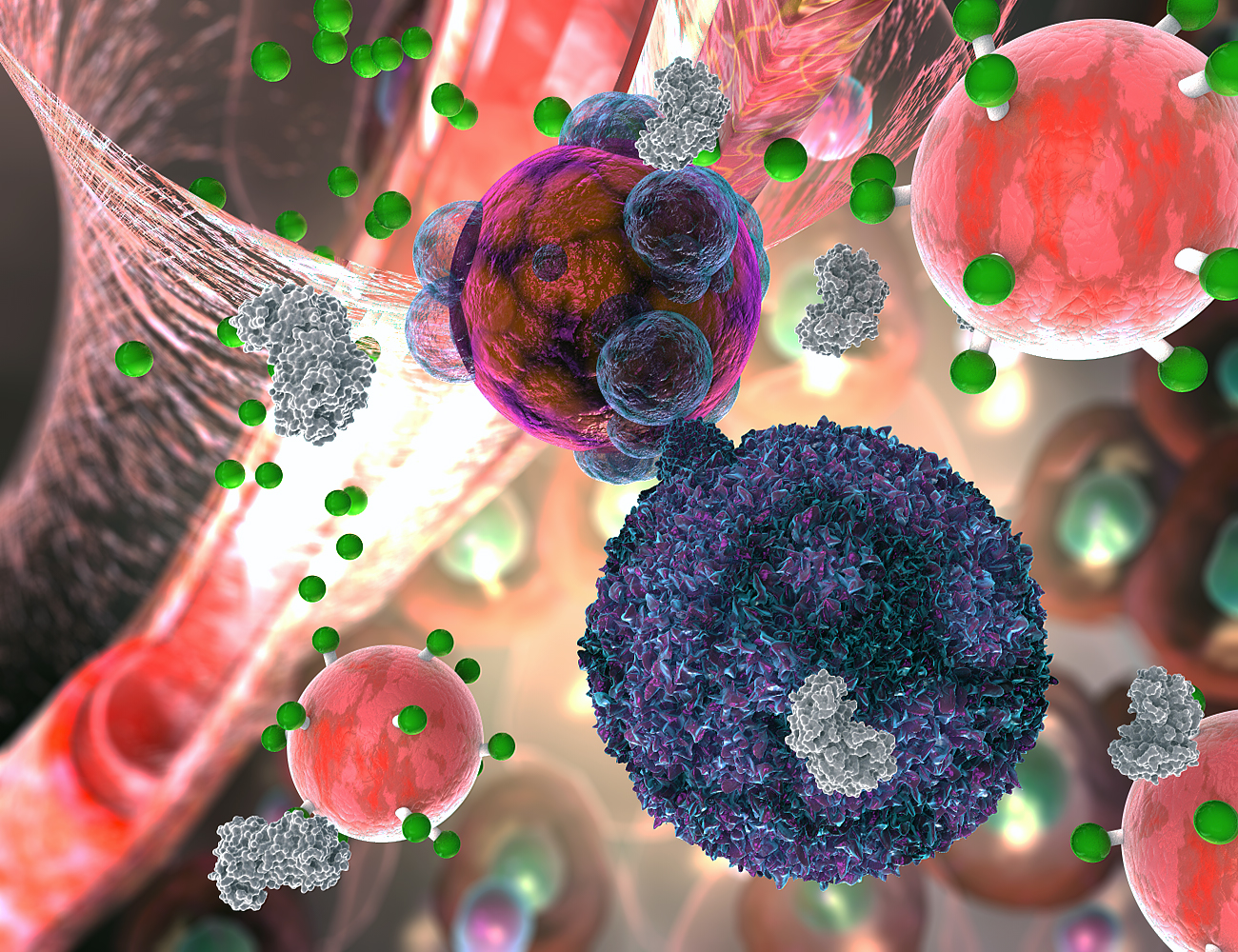
Immunotherapy can eradicate cancer or fall down trying, and this sensor monitors that success or failure.
Finding multidisciplinary collaboration for humanities in an increasingly technology-driven world
Georgia Tech researchers are leading a $13.5 million effort, funded by the Bill & Melinda Gates Foundation, to reinvent the toilet.
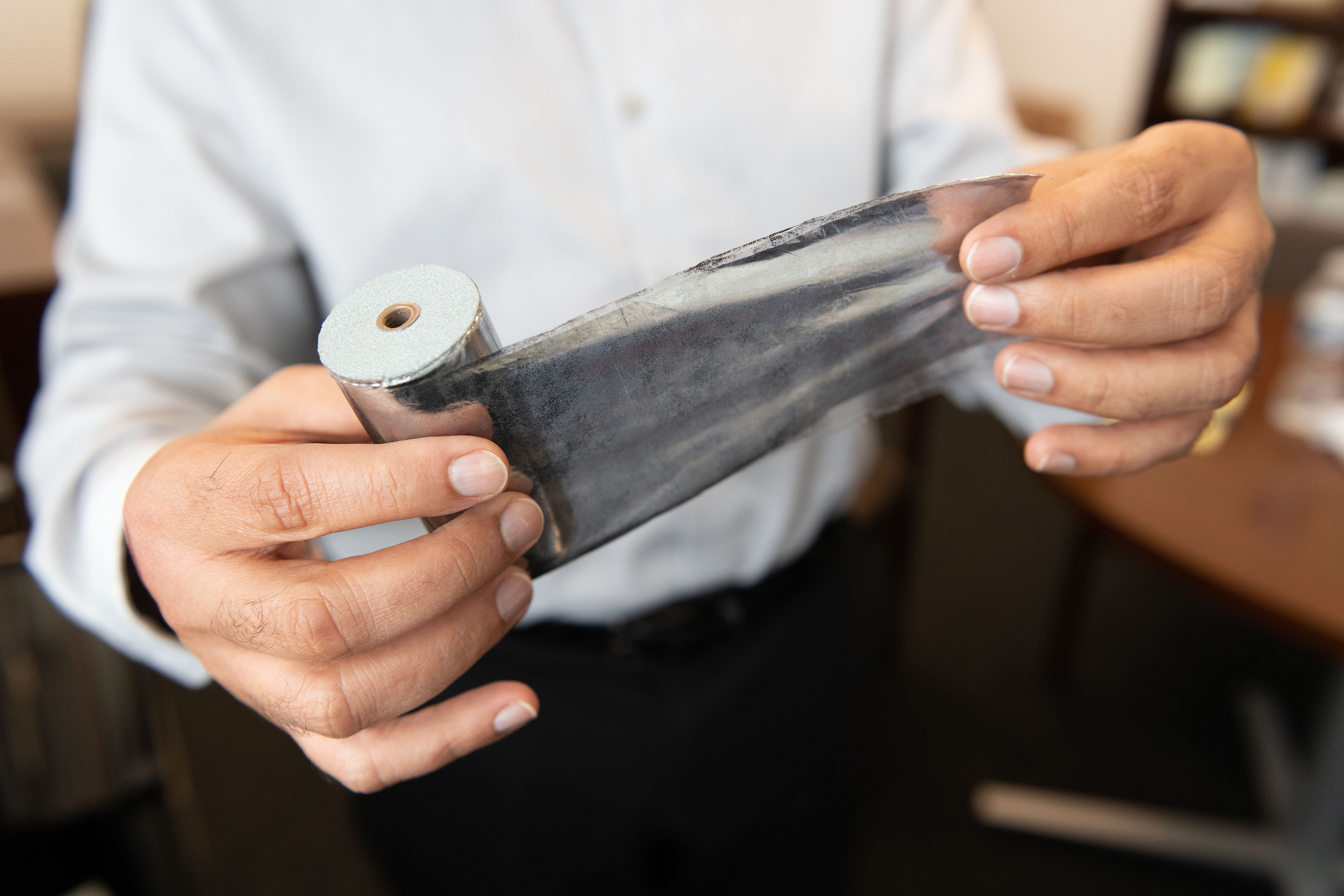
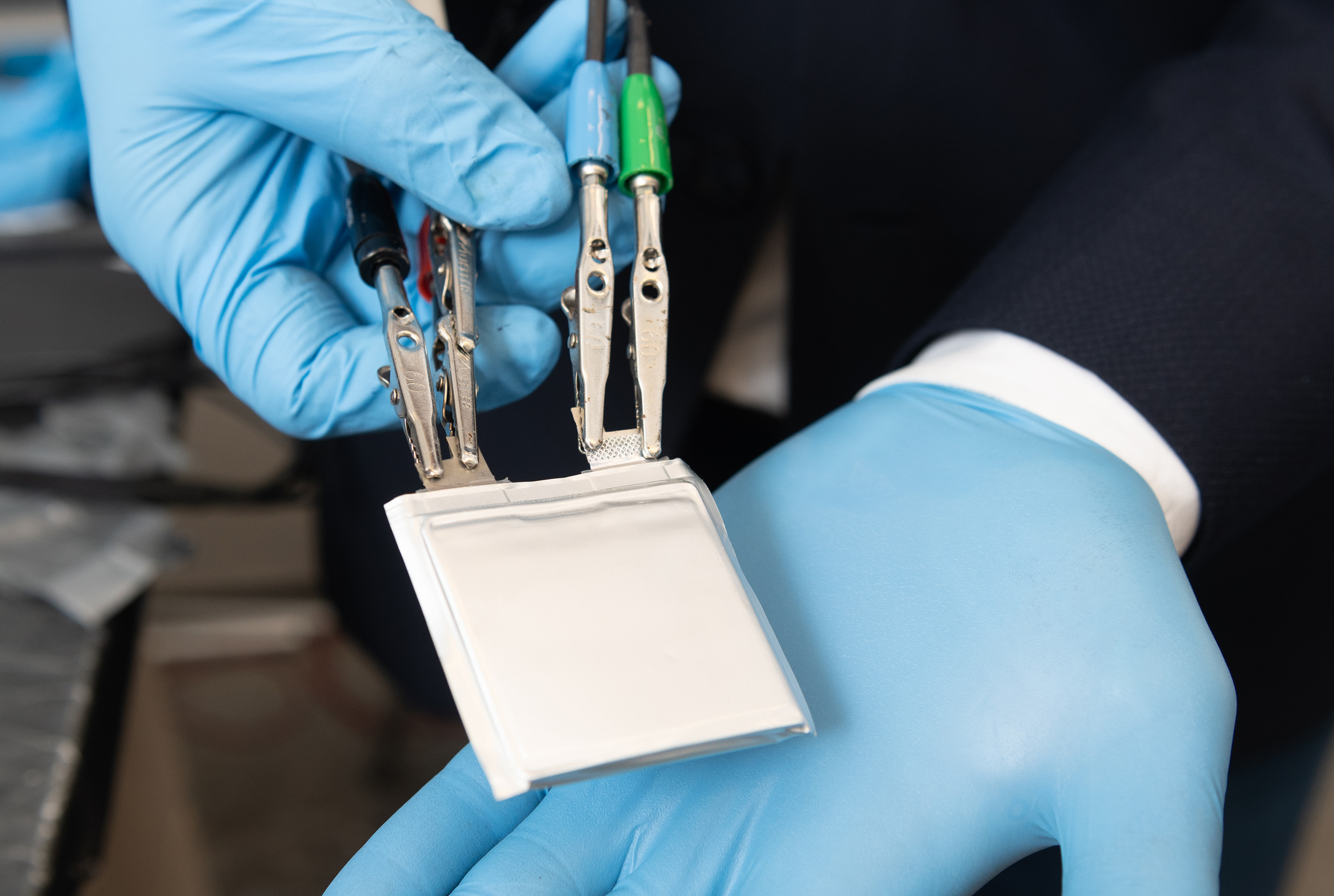
Researchers at the Georgia Institute of Technology have developed a promising new cathode and electrolyte system that replaces expensive metals and traditional liquid electrolyte with lower cost transition metal fluorides and a solid polymer electrolyte.

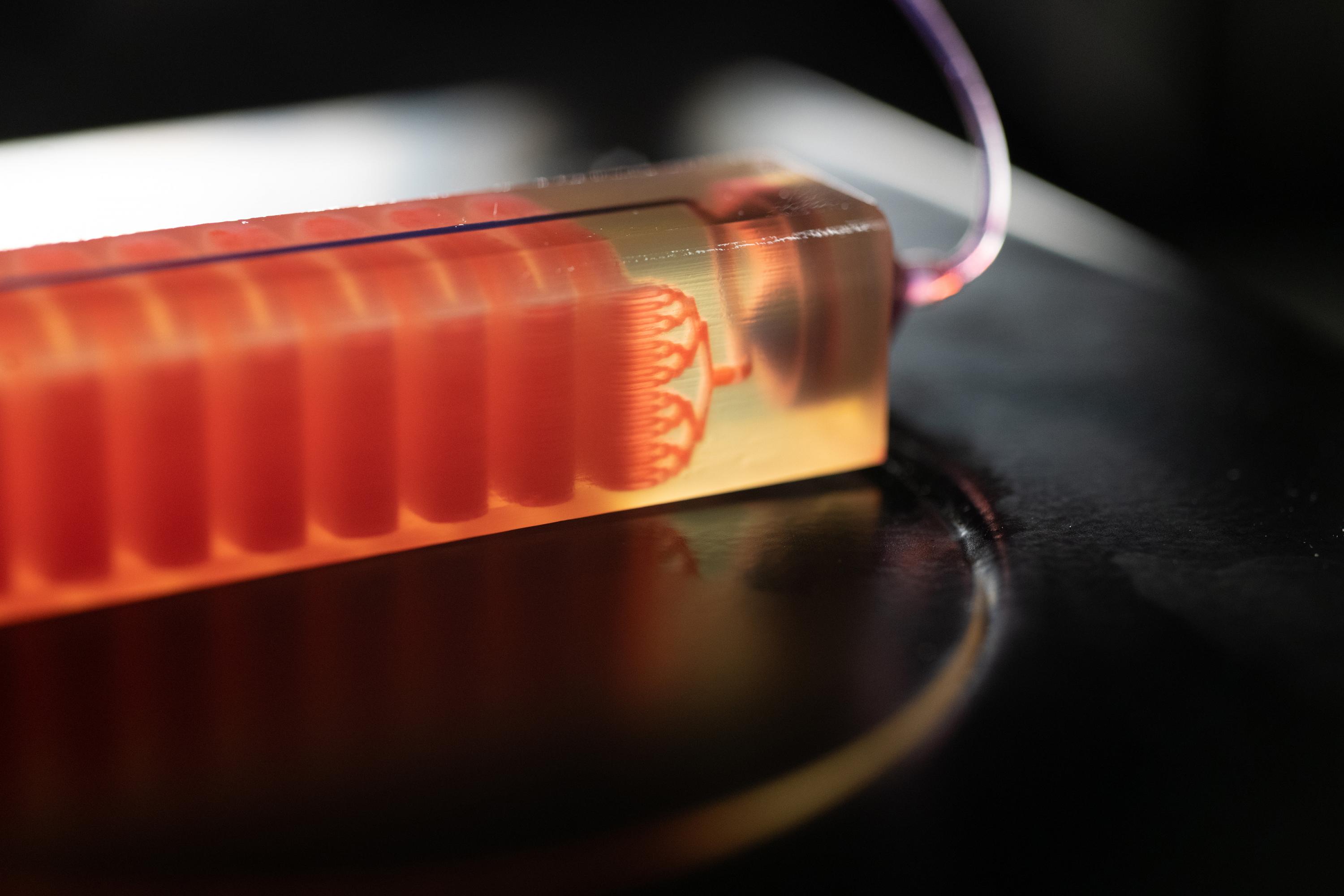
A new approach enabled by 3D printing could help isolate tumor cells circulating in the bloodstream.